What are the best lens selection criteria for portability?
"Mirrorless systems have reshaped the landscape of digital photography, moving from a niche alternative to the primary standard for interchangeable lens cameras."
This guide covers selecting lenses based on zoom range, aperture speed, and weight.
* Match focal length to your subject matter (wide-angle for landscapes, telephoto for wildlife). * Evaluate aperture needs (f/2.8 for low light and bokeh vs. variable apertures for budget travel). * Check weight and size constraints for your specific camera body. * Verify mount compatibility for your specific mirrorless system.
How to choose mirrorless lens 2026 options for different needs?
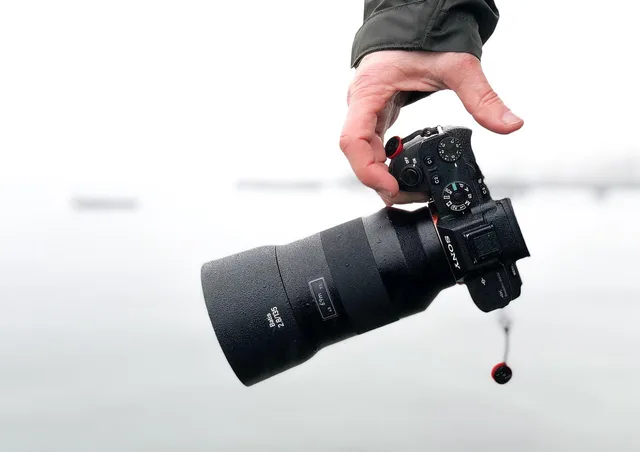
At dawn, the photographer grips the heavy telephoto lens tightly while feeling the cold morning air in the park.
Selecting the right glass requires understanding how different focal lengths and apertures serve specific genres.
For wide-angle needs, the Canon RF 14mm f1.4L VCM offers an expansive field of view for specialized hybrid work. If you require a fisheye effect, the Canon RF 7-14mm f2.8-3.5L Fisheye provides both circular and diagonal imagery on full-frame bodies.
For street or general use, a standard prime like the Zeiss Otus ML 50mm f1.4 provides wide-aperture performance for Sony, Canon, and Nikon systems.
What are the best lens selection criteria for portability?
A traveler packs a small messenger bag, carefully sliding a compact zoom lens into a side pocket before heading to a local cafe. When mobility is the priority, the physical dimensions and weight of the glass are the primary factors.
The Nikon Z 24-105mm f4-7.1 is designed as an affordable, small, and light zoom for users who value ease of transport. Conversely, professional telephoto lenses like the Sigma 300-600mm f4 DG OS are much larger and aimed at high-end sports and wildlife photography.
You must decide if the weight of a bright aperture lens is worth the trade-off in mobility.
How can I use mirrorless camera lens tips to match my system?
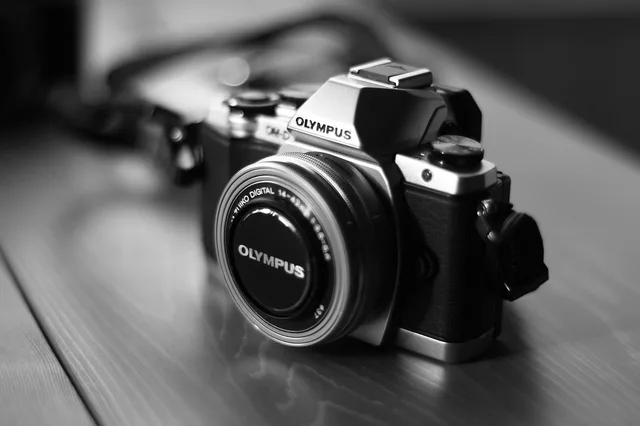
A technician sits at a workbench, comparing the mount rings of a new lens against a mirrorless camera body to ensure a perfect fit, as part of a camera lens buying guide. Successful integration depends on the specific mount and sensor size of your equipment.
The Tamron 35-100mm f2.8 Di III is specifically designed for Nikon Z and Sony Alpha cameras, illustrating that lens availability is often system-specific. Similarly, the Tamron 16-30mm f2.8 Di III G2 serves as an ultra-wide zoom for Sony and Nikon mirrorless full-frame cameras.
I checked the mount compatibility of my own gear before purchasing a new prime to avoid mounting issues.
What are the lens standards for new camera setups?
A studio photographer sets up a tripod, clicking a heavy prime lens into place to prepare for a controlled portrait session. Modern standards often prioritize optical formulas that support both high-resolution sensors and video capabilities.
According to the Imaging Products Association, mirrorless systems accounted for 69% of interchangeable lens camera shipments in 2022, marking a 31% increase from the previous year.
As reported by the Association (CIPA), mirrorless systems continued to dominate the digital camera market in 2022, representing 69% of interchangeable lens camera shipments after a 31% increase from the year before.
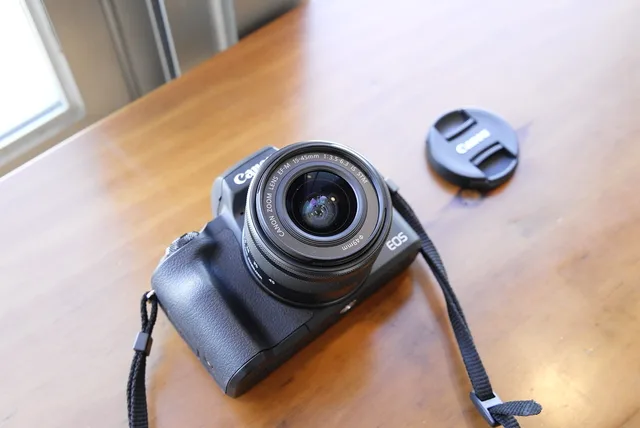
Nikon has reworked the Z 24-70mm f2.8 S II to improve features for both photographers and videographers. For those needing high-end telephoto performance, the Nikon Z 70-200mm f2.8 VR S II utilizes a promising new optical formula.
These updates reflect a trend toward lenses that handle high-speed autofocus and video-centric features.
Can I compare lens types for my specific workflow?
A videographer compares two different lenses on a monitor, noting how the light hits the sensor with each choice. Choosing between a zoom and a prime depends on whether you need versatility or maximum light-gathering ability.
| Lens Type | Example Model | Primary Benefit |
|---|---|---|
| Variable Zoom | Nikon Z 24-105mm f4-7.1 | Affordable and light |
| Constant Aperture | Tamron 35-100mm f2.8 | Consistent light at f/2.8 |
How to pick mirrorless lens combinations step by step?
A photographer sits at a desk with a notebook, sketching out a kit list for an upcoming expedition. Following a structured approach ensures you do not overspend on unnecessary glass or miss critical focal lengths.
- Identify your primary subject matter, such as wildlife, landscapes, or portraits, to determine the necessary focal range. 2. Select your aperture requirements, choosing constant apertures like f/2.8 for low light or variable apertures for travel. 3. Verify the lens weight and size against your preferred camera body and carrying equipment. 4. Perform a final check of the mount compatibility to ensure the lens is native to your mirrorless system.
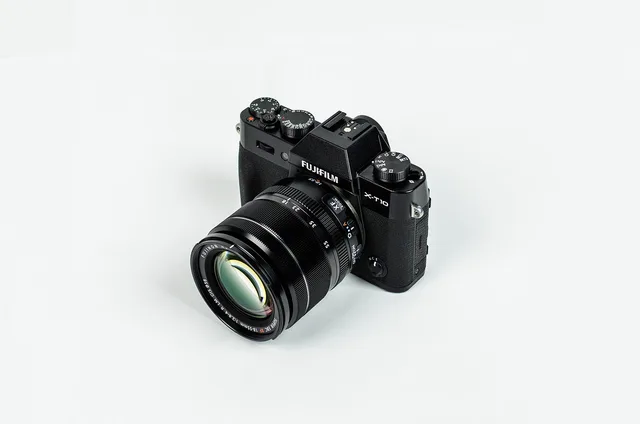
A limitation of this selection process is that lens performance can vary significantly depending on the specific sensor resolution of the camera body used.
- To choose mirrorless lens 2026 options effectively, you must match the focal length and aperture to your specific shooting environment, such as wildlife, street, or landscape photography.
- You should prioritize lens-to-body mount compatibility and consider the trade-off between portability and professional-grade optical performance.
- A photographer stands in a sunlit park, adjusting the zoom ring on a heavy telephoto lens to capture a distant bird.
When is aperture speed more important than lens size?
A photographer chooses a fast lens when the situation demands capturing action or shooting in dim conditions. The aperture speed dictates how much light reaches the sensor, which is crucial when the subject moves quickly or the environment lacks sufficient illumination.
- If the shooting environment is characterized by low light, a constant aperture lens, such as the Tamron 35-100mm f2.8 Di III, becomes a significant advantage over a variable aperture option. 2. For portraiture, the ability of a wide-aperture lens, like the Zeiss Otus ML 50mm f1.4, to create background separation (bokeh) often outweighs concerns about the lens's physical bulk. 3. When the subject is wildlife, the bright aperture of the Sigma 300-600mm f4 DG OS allows for faster shutter speeds, which is a necessary condition for freezing motion.
How do system-specific considerations affect mirrorless lens choices?
A user must always confirm the mount compatibility before committing to any mirrorless systems glass. The physical interface between the lens and the body is the foundational requirement for any successful setup.
- The Tamron 16-30mm f2.8 Di III G2 functions as an ultra-wide zoom specifically for Sony and Nikon mirrorless full-frame cameras, demonstrating system dependency. 2. When comparing the Canon RF 14mm f1.4L VCM to other options, the specific lens mount dictates which mirrorless systems it can operate on. 3. A caution exists that lens performance can vary significantly depending on the specific sensor resolution of the camera body used, even if the mount is correct.
The trade-off between portability and professional-grade optical performance must be weighed against the specific demands of your shooting environment when selecting mirrorless systems equipment.






Comments 0