Best gimbal camera guide: Tips for creator workflow
This best gimbal camera guide is designed for vloggers, travelers, and content creators looking to stabilize their footage with precision. To choose the right model, you must evaluate motor strength, sensor size, and integration with your existing workflow. This guide focuses on analyzing key specifications and technical strengths to help you find the ideal tool for smooth, professional-grade video. 1. Prioritize motor torque for heavier lens setups. 2. Match the gimbal payload to your specific camera weight. 3. Consider the balance between portability and stabilization stability.
What makes a gimbal specs review actually effective?
Late at night in the dim studio, he squinted at the screen while gripping the gimbal to feel its motor vibrations.
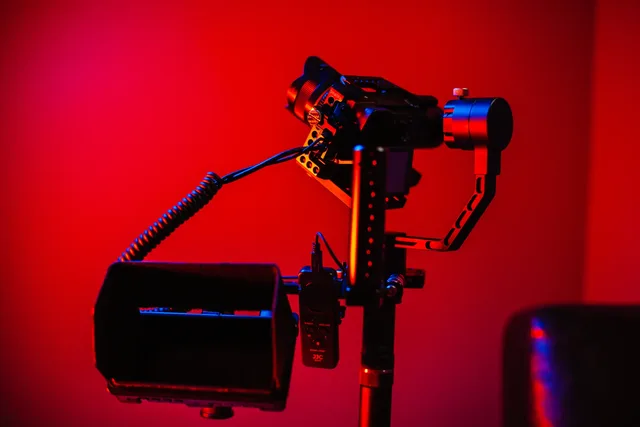
While a photographer might reach for a heavy tripod when the wind picks up, this best gimbal camera guide shows how a gimbal provides a different kind of control. To understand a top gimbal specs review, you must look beyond simple stabilization and examine the axis configuration and motor response.
High-quality reviews focus on how the brushless motors react to sudden movements and whether the software allows for intuitive tracking.
A comprehensive camera spec analysis includes the payload capacity, which determines the maximum weight the device can carry without vibrating. For the best gimbal camera guide, you should also look for details regarding connectivity, such as Bluetooth integration for remote shutter control.
Understanding these technical nuances ensures that your gear supports your creative vision rather than limiting it.
How to use mirrorless gimbal tips for better stability?
Walking through a crowded park, I noticed how even the slightest footstep can create a jarring vertical bounce in handheld footage. Applying mirrorless gimbal tips involves more than just turning the device on; it requires precise physical calibration.
Effective stabilization starts with the mechanical setup before the recording button is even pressed.
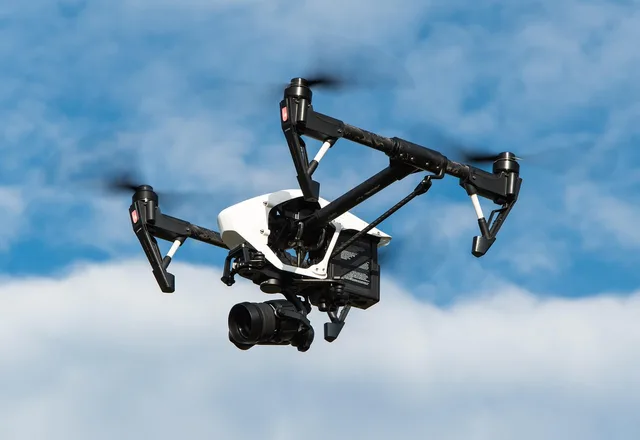
- Mount the camera securely and ensure all cables are tucked away to prevent interference with the motors. 2. Perform a manual balance by adjusting the tilt, roll, and pan axes until the camera stays stationary in any position. 3. Run the electronic auto-tune sequence to allow the software to calibrate the motor strength to the specific weight of your setup.
After completing these steps, perform a final check by moving the gimbal through its full range of motion to ensure no cables catch or motors strain. I found that even a tiny imbalance during this stage can lead to motor overheating during long shoots.
The Best Gimbal Camera Guide for Professionals
A filmmaker stands on a cliffside, adjusting the tension on a handheld rig to combat the ocean breeze. Engaging in a video gear deep dive means looking at the specific algorithms used for active tracking and motion smoothing.
It is not enough to know a device is "stable"; you need to know how it handles high-speed pans or low-light environments where sensor noise can interfere with tracking sensors.
Professional users often require specific features like time-lapse integration or advanced motion control modes. A deep dive examines the build quality, such as whether the frame is made of carbon fiber or aluminum, which affects both durability and weight.
This level of scrutiny prevents expensive mistakes when investing in high-end stabilization systems.
Can I master the accessory guide for filming with gimbals?
A creator sits at a desk, surrounded by extra batteries, wireless monitors, and mounting plates. Following an accessory guide for filming helps you expand the utility of your gimbal system.
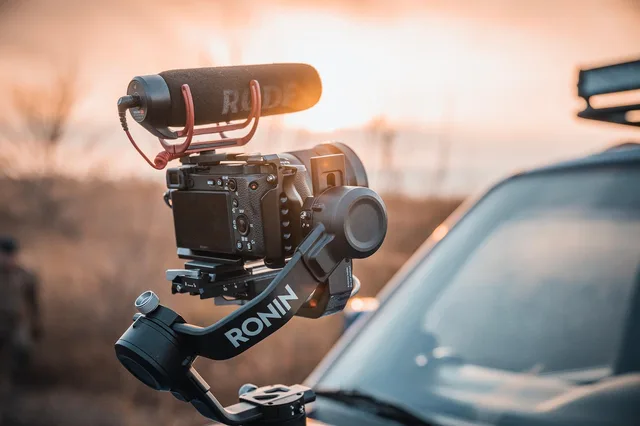
While the gimbal provides the movement, accessories provide the functionality, such as external lighting or directional microphones that won't unbalance the rig.
When selecting add-ons, always check the weight impact on your payload capacity. Adding a heavy external monitor might require a more robust gimbal or a specialized mounting bracket to maintain center of gravity.
Proper accessory management ensures that your setup remains functional and does not exceed the mechanical limits of the motors.
Choosing the right gimbalcam for your specific needs
A traveler packs a compact setup into a small backpack, prioritizing weight over heavy-duty features. Choosing the right gimbalcam depends entirely on your primary shooting environment.
If you are a vlogger, a compact, single-axis or three-axis stabilizer with built-in lighting might be your priority. If you are a cinematographer, you will need a heavy-duty rig capable of supporting large mirrorless bodies and zoom lenses.
| Feature | Compact Gimbal | Professional Gimbal |
|---|---|---|
| Primary Use | Vlogging/Travel | Cinema/Production |
| Payload Capacity | Low | High |
I compared these two styles during a recent outdoor shoot and realized that a compact model is much easier to manage for quick transitions, whereas the professional model offered much smoother pans for cinematic shots.
Advanced shooting techniques for smooth motion
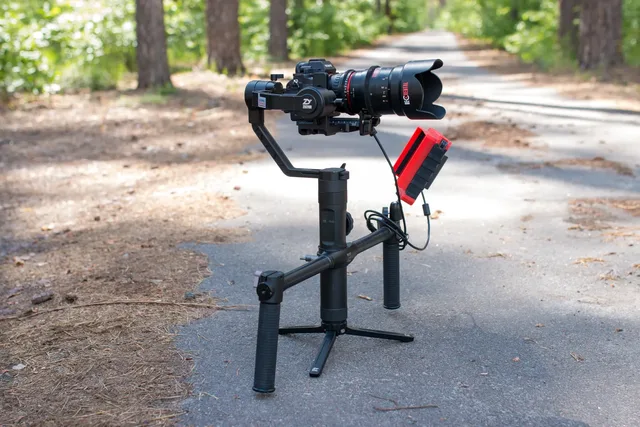
An operator glides through a narrow hallway, using a low-angle technique to create a sense of immersion. Implementing advanced shooting techniques requires mastering the "ninja walk" to minimize vertical oscillation.
Even with the best gimbal, the physical movement of the operator remains a critical factor in the final visual quality.
You can also utilize various modes like "follow mode" for natural movement or "lock mode" to keep the camera fixed on a single point regardless of how the handle moves. Experimenting with these modes allows you to control the narrative flow of your video.
Mastering these movements turns a simple stabilization tool into a powerful storytelling instrument.
The effectiveness of a gimbal is limited by its specific payload capacity and the physical movement of the operator.


Comments 0