Why does weight matter for your action cam?
Selecting the right action cam weight for filming depends entirely on whether you prioritize extreme mobility or stabilized long-form recording. This guide helps travelers and sports enthusiasts choose between ultra-lightweight units and heavier, feature-rich models. Key takeaways include matching mass to your specific activity, understanding the impact of accessories on total weight, and recognizing that specialized gear for extreme conditions often requires a heavier chassis.
Why does weight matter for your action cam?
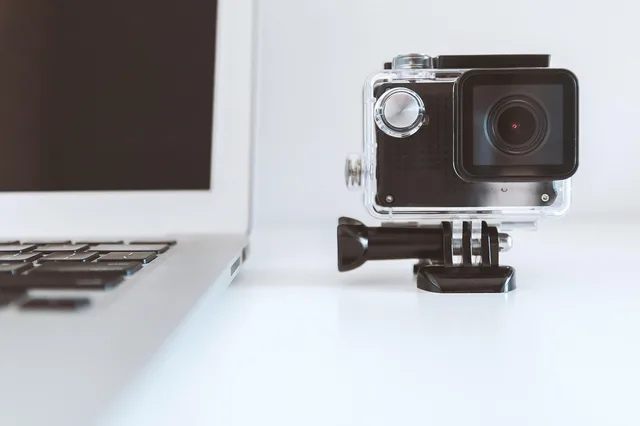
As the morning sun warms your skin, you realize how the heavy gear does strain your wrist during the trek.
A hiker grips a lightweight camera while ascending a steep ridge in the morning sun. The choice between a tiny unit and a larger model dictates how long you can carry the device without fatigue. If you are a solo traveler, you might prefer a small device that fits in a pocket.
The weight impact on sports video is significant because every extra gram increases the physical load during high-intensity movement. For vloggers, a lighter device allows for steady handheld operation without wrist strain.
However, users must consider that a lighter device might lack certain stabilization or battery capacities.
- Consider the impact on stabilization performance.
- Evaluate the strain on your mounting hardware.
- Assess the overall portability for long sessions.
How do different use cases affect camera mass?
As the midday heat burns your skin, you feel how the heavy gear does drag against your hand during the intense mountain climb.
A cyclist attaches a camera to their helmet and feels the slight pull during a sharp turn. Selecting camera mass involves balancing the need for ruggedness against the desire for portability. You must decide if the footage quality justifies the extra weight in your gear bag.
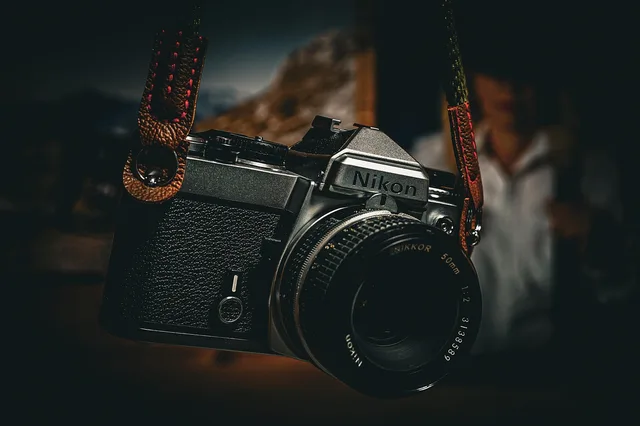
Purpose based camera comparison reveals that extreme sports enthusiasts often require heavier, waterproof housings. Conversely, casual travelers benefit from a lightweight action camera choice that stays out of the way. A smaller mass is ideal for quick, spontaneous shots during a trek.
In this sequence, the second step is the longest.
Should I use lightweight or heavy models?
At dawn in the cold forest, you notice how the extra weight does ache in your tired arm. A technician places two different camera models on a digital scale in a bright laboratory. The comparison shows how different internal components change the total mass of the unit.
Looking at these two profiles helps you decide which fits your specific filming style.
| Feature Focus | Mass Profile | Primary Benefit |
|---|---|---|
| Extreme Portability | Ultra-lightweight | Maximum mobility |
| Professional Stability | Heavy-duty | Enhanced features |
I once spent an entire afternoon testing how a heavier unit felt during a long hike, and I realized that even small differences matter over time.
How do I choose camera mass for my environment?
A diver secures a camera into a heavy-duty waterproof case before plunging into the ocean. The environment dictates how much weight you can afford to carry. If you are filming underwater, the density of the water changes how the device feels in your hand.
To choose the best action cam by weight, follow these steps: 1. Identify your primary activity to determine if you need heavy-duty housing. 2. Weigh the camera alongside your essential accessories like mounts or microphones. 3.
Verify if the total setup remains comfortable for your planned duration of use.
Always perform a final check by carrying the loaded gear through your intended activity for ten minutes.
Limitations of weight-based selection
A photographer looks at a heavy camera and realizes it lacks the portability needed for a quick trip. Even the lightest camera becomes heavy when you add various mounts and external batteries.
This weight increase is a limitation when you are moving through tight spaces or performing high-speed athletics.
What factors influence the final weight?
The total mass of your setup depends on the specific accessories you attach to the camera. A heavy-duty waterproof housing increases the weight compared to a standard chassis. You must compare the weight of the camera alone against the total camera weight for filming with all necessary mounts.
- Compare the mass of the base unit against the mass of the unit in a waterproof case. 2. Assess the weight of the camera when equipped with external microphones. 3. Evaluate the total load when adding external batteries for long-form recording.
How can you ensure the right choice?
Selecting the right camera involves testing the gear under the specific conditions of your activity. You should perform a comparison between lightweight and heavy models to see how they feel during movement.
If you choose a heavier model for its features, you must accept the increased physical load during high-intensity movement.
Always consider the condition of your environment before finalizing your gear choice. A diver must account for how water density affects the weight of a heavy-duty case. A hiker must consider how the weight of the device affects fatigue during a long ascent.


Comments 0