Lightweight camcorder choice guide for hiking best tips
"Lightweight gear allows a traveler to focus on the journey rather than the equipment, ensuring that every moment is captured without physical fatigue."
Finding a lightweight camcorder choice for travel requires balancing portability with sensor quality, especially when navigating crowded streets or hiking trails.
This guide is for travelers needing lightweight options, highlighting how sensor size influences device weight and comparing market leaders like DJI and Insta360.
Key takeaways include the distinction between wearable cameras and high-end panoramic systems, the shift toward mirrorless technology, and how sensor dimensions impact the overall footprint of your gear.
Why does a lightweight camcorder choice matter?
You trek through the humid jungle at noon and feel the strap digging into your shoulder, wishing for a more lightweight option.
A traveler adjusts the strap on their shoulder while trekking through a humid forest, feeling the weight of their gear. Selecting a lightweight camcorder choice ensures that the device does not become a burden during long excursions.
When you are constantly moving, the physical impact of your equipment becomes a primary consideration for your endurance.
The need for portability is driven by the specific environment of the trip. If you are hiking, you need a lightweight camera for hiking to ensure the device stays accessible and easy to carry.
For those who prefer a hands-free approach, a wearable action camera can significantly reduce the physical load. I once spent a full afternoon filming a coastal walk and realized that even small differences in grams change how much I enjoyed the view.
How do market leaders compare for your trip?
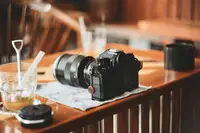
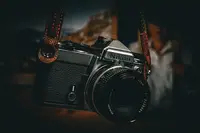
A photographer compares two different devices on a wooden table, noting the differences in their grip and size. Choosing gear for travel often involves weighing the specific capabilities of different brands against their physical presence, especially when looking for a value for money travel cam.
In the second quarter of 2026, DJI held 73% of the global handheld smart camera market, according to IDC. Meanwhile, Insta360 held 20% of that same market, though it dominated niche categories like panoramic cameras.
The market landscape shows distinct specializations. While DJI leads in the handheld segment, Insta360 remains a powerhouse in specific niches.
This means your choice depends heavily on whether you need a versatile handheld device or a specialized panoramic tool.
| Market Segment | Leader | Market Share |
|---|---|---|
| Handheld Smart Camera | DJI | 73% |
| 360-Degree Camera | Insta360 | 73% |
Is sensor size the reason for extra weight?

A technician examines a small electronic component under a bright laboratory light. The relationship between sensor size and device weight is a critical factor for travelers. Larger sensors provide better image quality but often require larger, heavier bodies to house the optics.
The Insta360 X5, which launched on 22nd April 2025, represents a significant jump in capability over its predecessor. This model offers 144% larger sensors at 1/1.28" size. While this provides superior imaging, it contributes to a different weight profile than smaller sensors.
For example, the Insta360 GO 2, a wearable option released in March 2021, weighs only 26.5 grams (0.93 oz). This weight difference illustrates the trade-off between professional-grade imaging and extreme portability.
How do mirrorless systems affect your gear?
A photographer swaps a heavy lens for a compact one in a bustling city square. The industry has shifted toward more compact, efficient designs.
In 2022, mirrorless systems continued to dominate the digital camera market, accounting for 69% of interchangeable lens camera shipments—a 31% increase from the previous year, as reported by Camera & Imaging Products Association (CIPA).
This dominance in the market reflects a move toward specialized, lightweight designs. An expert guide camera selection often points toward mirrorless technology because it eliminates the bulky internal mirror found in older DSLRs.
This shift allows for a more portable video camera guide to encompass devices that are easier to manage during travel.
How to select the right travel camera?
A traveler carefully packs a small pouch with various lenses and cables. Selecting the right equipment requires a systematic approach to ensure the gear matches the intended use.
- Identify your primary recording environment, such as high-action sports or static landscapes. 2. Compare the weight of the sensor size against your physical comfort limits. 3. Verify the market dominance of specific brands in your required niche.
I always check the weight of a device before committing to a full day of filming. The selection is only successful if you can carry the gear for the entire duration of your trip without discomfort.
What are the limitations of portable gear?
A hiker looks at a heavy tripod and decides to leave it behind. While lightweight options are excellent for mobility, they may not meet every technical requirement.
The effectiveness of a lightweight setup is limited by the specific hardware used. For instance, production casing sizes for some equipment range from 4+1⁄2 in (110 mm) to as large as 9+5⁄8 in (240 mm).
This means that while small cameras exist, specialized industrial or heavy-duty equipment will always have a larger footprint.
- Why does a lightweight camcorder choice matter?
- How do market leaders compare for your trip?
- Is sensor size the reason for extra weight?
What conditions dictate the need for lightweight gear?
- The environment dictates the required level of portability for the lightweight gear. 2. Physical endurance during extended periods of use necessitates a reduction in equipment burden. 3. The specific activity, such as hiking versus street navigation, influences the acceptable weight threshold for the gear.
When considering the journey, the physical toll of the gear becomes apparent during long treks. If the trip involves traversing uneven terrain, the lightweight nature of the gear is paramount for sustained activity.
A traveler must weigh the superior image quality against the added weight of larger sensors in their gear setup.



Comments 0