8K camera for travel use: Sensor size affects video quality
"The words travel and travail both share an even more ancient root: a Roman instrument of torture called the tripalium."
Choosing an 8K camera for travel use requires balancing extreme resolution against portability and sensor size. This guide helps you navigate high-resolution sensor technologies, sensor size differences, and market trends to ensure your gear meets your creative needs.
You should consider sensor dimensions, the trade-off between resolution and physical size, and the specific needs of your travel style.
Why is an 8K camera for travel use important?
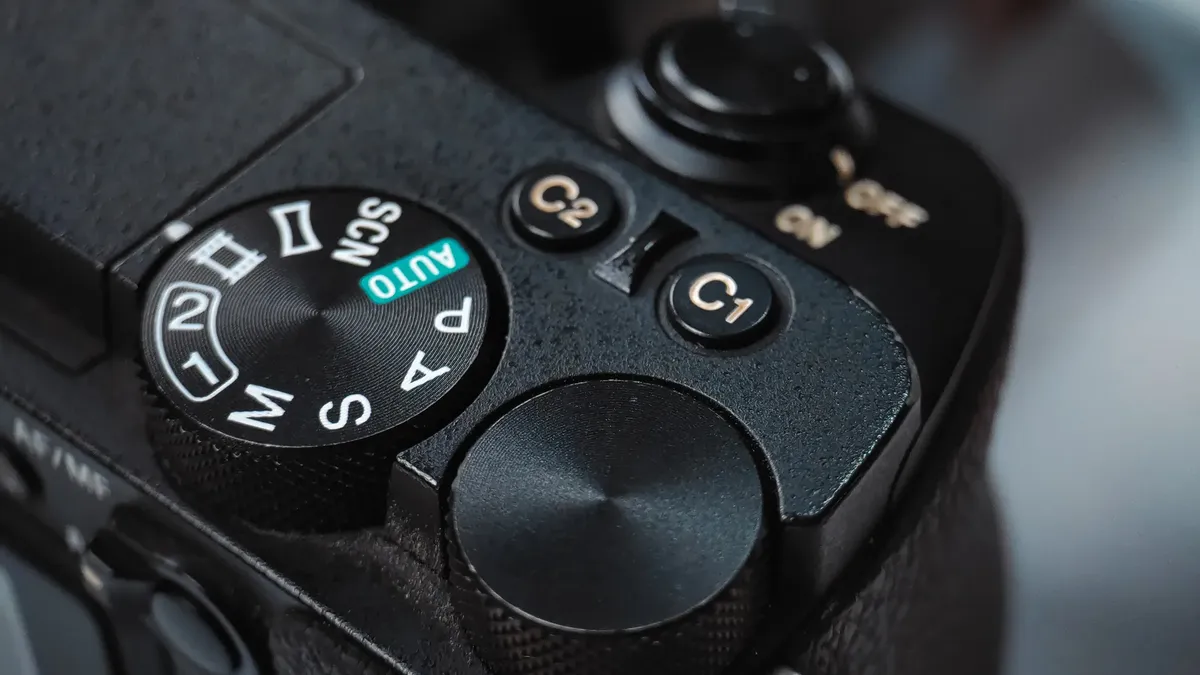
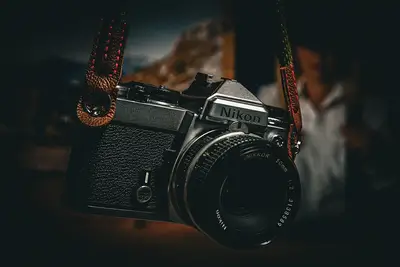
At sunset, a traveler grips the heavy camera while the cold wind bites at their skin.
A traveler stands on a windy cliffside, adjusting the heavy lens of a high-resolution camera to capture a sweeping landscape. While the sheer detail of 8K is tempting, the weight and storage requirements of such high-resolution video travel can become a burden during long trips.
The demand for high-resolution imagery drives much of the current hardware development. Modern photographers often look for gear that can capture fine details that remain sharp even when cropped significantly.
High res travel needs often dictate much of the decision-making process when selecting a new body.
The market has shifted heavily toward more compact and efficient designs to accommodate these needs.
According to the Camera & Imaging Products Association (CIPA), in 2022, mirrorless systems continued to dominate the digital camera market, accounting for 69% of interchangeable lens camera shipments—a 31% increase from the previous year.
This shift suggests that portability and high-end features are increasingly integrated into smaller form factors.
- Capture immense detail for large-scale prints.
- Allow for significant cropping in post-production.
- Future-proof your travel memories.
How do sensor sizes affect 8K video quality?

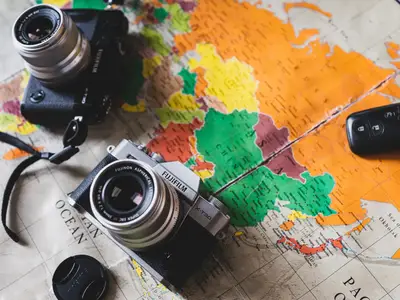
A photographer sits at a desk, comparing two different camera models side by side to see how the sensor size affects the image. Understanding the relationship between sensor dimensions and resolution is critical when looking for a prosumer 8K camera.
Sensor size directly impacts how much light is captured and how much noise is present in a high-resolution file. Larger sensors generally provide better dynamic range, which is vital for capturing the nuances of a sunset or a bright sky.
Comparing different sensor generations shows how technology has evolved. The original Q series featured a smaller 1/2.3 inch 12.4 megapixel CMOS sensor. In contrast, the Q7, introduced in 2013, has a slightly larger 1/1.7 inch CMOS sensor with the same megapixel count.
In this sequence, the second point is the most significant.
What is the 8K video quality guide for sensor selection?
An explorer packs a small bag, carefully choosing between a bulky DSLR and a compact mirrorless system. Selecting the right sensor involves understanding how the physical dimensions of the sensor will handle the massive data of 8K.
To select the right gear, follow these steps:
- Evaluate the sensor size against your desired resolution to ensure the sensor can handle the pixel density. 2. Check the lens compatibility, as high-resolution sensors require high-quality glass to resolve fine details. 3. Verify the processing power of the camera body to ensure it can handle 8K data rates without overheating.
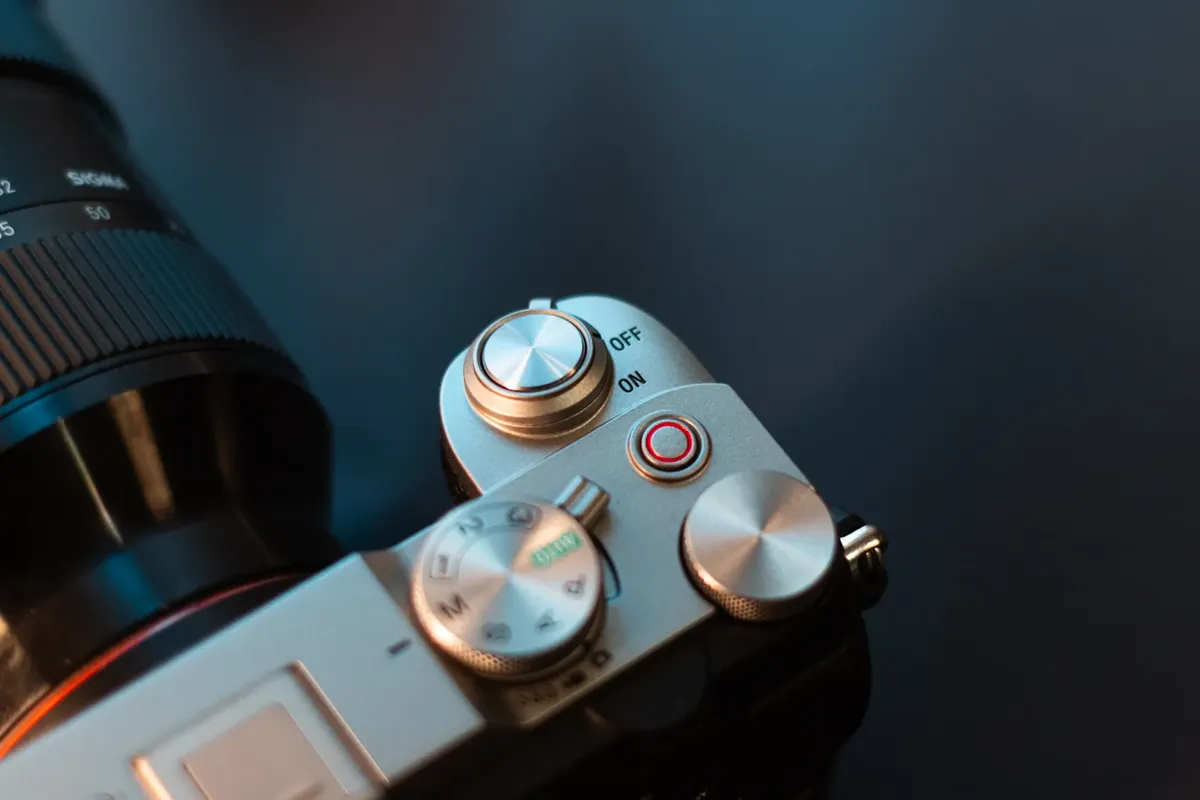
I remember comparing two different sensor sizes during a mountain trek and realizing how much the smaller sensor struggled with low-light detail. For a reliable 8K video quality guide, you must look beyond just the megapixel count and focus on the physical sensor area.
What are the travel camera spec check requirements?
A traveler checks their battery levels and memory cards before heading out to a crowded city market. A thorough travel camera spec check must include storage capacity and battery life, as 8K files consume resources rapidly.
High-resolution files require significantly more storage space than standard HD video. This means you must carry more high-speed memory cards to avoid running out of space during a trip.
The projected market share of specific sensor types also indicates where technology is heading. Looking ahead, the APS-C sensor segment is projected to retain a substantial 47.2% share of the mirrorless camera market.
This suggests that mid-sized sensors will remain a staple for high-performance photography.
Is 8K needed for travel?
A person sits in a cafe, scrolling through hundreds of high-resolution photos from a recent trip. Deciding if an 8K camera is needed for travel depends entirely on your intended use for the footage and your ability to manage the data.
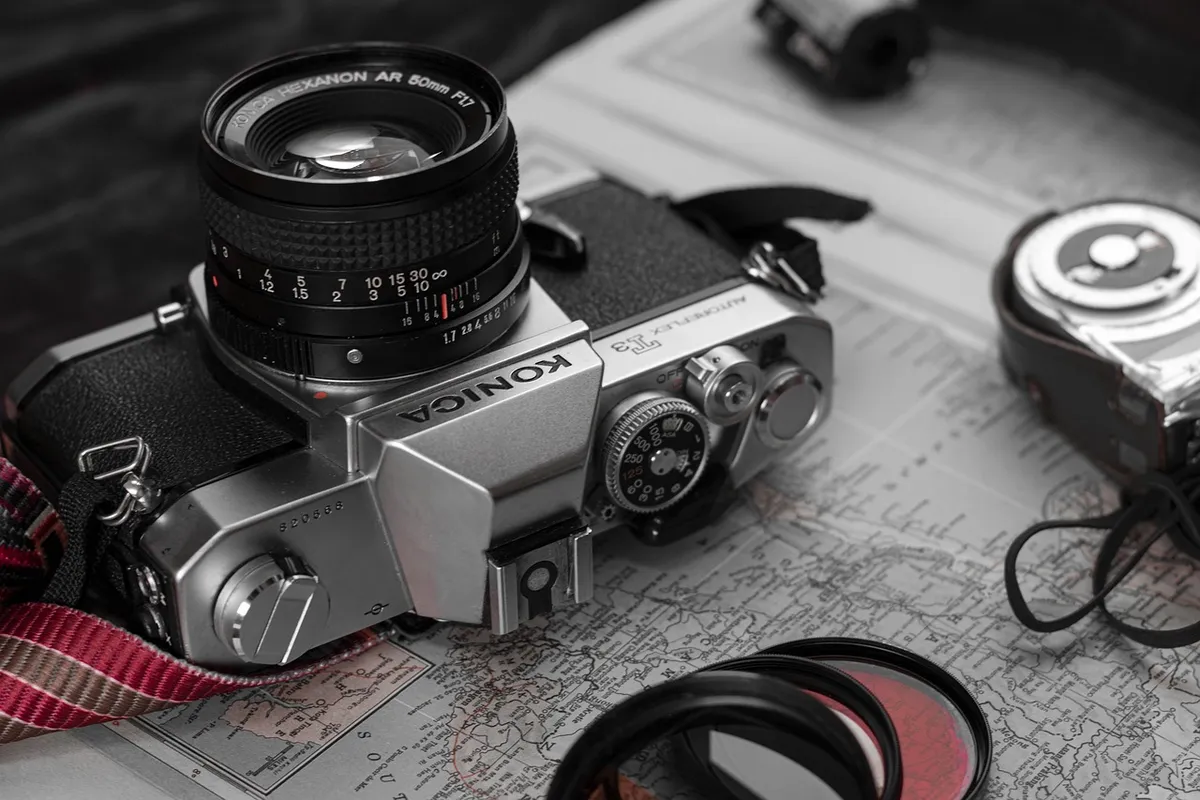
If you plan to print large-format photos or output to massive screens, the extra resolution is a significant advantage. However, for social media or standard viewing, the file sizes might be overkill.
| Feature | Original Q Series | Q7 (2013) |
|---|---|---|
| Sensor Size | 1/2.3 inch | 1/1.7 inch |
| Megapixel Count | 12.4 MP | 12.4 MP |
The difference in sensor size between these two models shows how much physical area can change even when the megapixel count remains the same.
The subject here is 8K camera for travel use.
The same subject is also called 8K video travel camera.
The same subject is also called High res travel video.
The same subject is also called Travel 8K video needs.
Related
How do these factors relate to the words "travel" and "travail"?
The words "travel" and "travail" share a root in the Roman instrument of torture, the tripalium, suggesting that the journey itself, whether literal or figurative, can involve significant strain.
This connection implies that the pursuit of high-quality imagery while traveling can sometimes feel like a demanding undertaking, much like the ancient ordeal.
Thus, the technical demands of high-end gear meet the physical realities of a demanding journey, linking the technical pursuit to the original root of the words.




Comments 0