Sensor size for travel camera: Why larger sensors matter
"It's never 100 percent though, keep your gear out of the weather whenever you can no matter how sealed it might be."
Choosing a sensor size for travel camera use means balancing portability against image quality, especially if you value high-ISO performance or dynamic range.
This guide is for travelers deciding between compact action sensors and full-frame options, emphasizing the trade-offs in weight and capability.
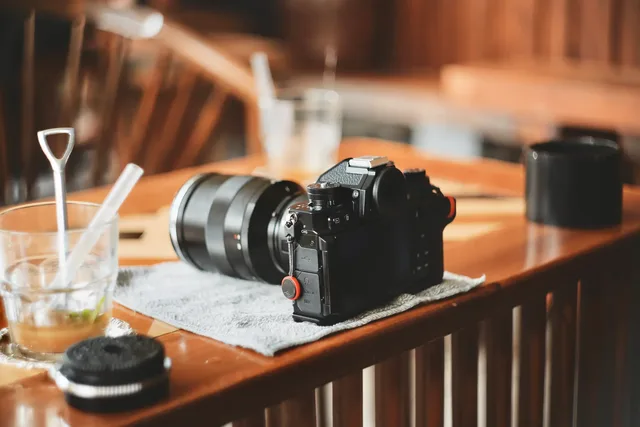
Key takeaways include understanding how sensor dimensions impact video resolution, the market dominance of specific smart camera brands, and the necessity of protecting gear regardless of weather sealing.
Why does sensor size matter for travel camera use?
As the sun rises over the jagged peaks, I grip my compact camera and feel the heat of the morning air against the small sensor.
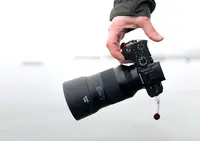
A traveler lifts a compact camera to capture a mountain sunrise, noting how its weight helps in maximizing camera efficiency outdoors. Choosing the right sensor size for travel camera use determines whether you prioritize a lightweight build or the high-fidelity details required for landscapes.
The impact of sensor size on travel gear is significant because larger sensors generally offer better performance in challenging light. For instance, some sensors provide 12.47 stops of dynamic range, which rivals medium format cameras, alongside excellent high-ISO performance.
This makes them ideal for users who need to recover details from shadows in diverse environments.
How do different sensors perform during trips?
While hiking through the damp forest, I wipe condensation from the lens and feel the chill of the morning air hitting my sensor.
Some sensors can provide 12.47 stops of dynamic range, making them suitable for recovering details from shadows during trips.
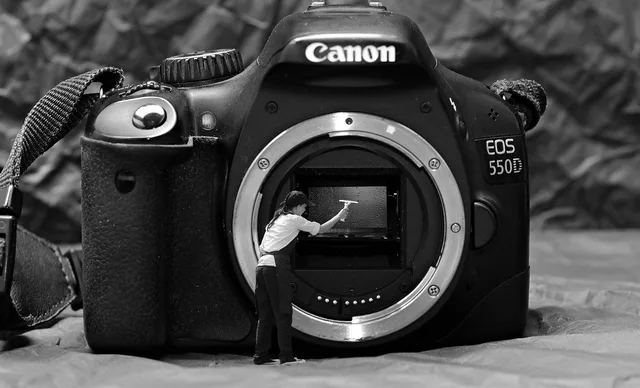
A hiker moves through a dense forest, checking the settings on a small, wearable device. Camera sensor choice for trips often comes down to the specific environment, such as whether you need a lightweight action camera or a robust professional tool.
When evaluating a camera sensor choice for trips, consider the specific task at hand. For example, the Insta360 X5 offers 144% larger sensors at 1/1.28" size compared to its predecessor.
Meanwhile, wearable options like the Insta360 GO 2 provide extreme portability, weighing only 26.5 grams (0.93 oz). This variety allows photographers to maximize camera efficiency outdoors depending on the scale of the subject.
Which brands dominate the market for outdoor gear?
A professional photographer compares prices on a tablet while sitting in a busy airport terminal. Understanding the current landscape helps in choosing between established leaders and specialized niche competitors.
In the global smart camera market, the competition is intense.
Additionally, IDC reported that in the second quarter of 2026, DJI held 73% of the global handheld smart camera market while Insta360 held 20%.
What are the benefits of high-end sensors?
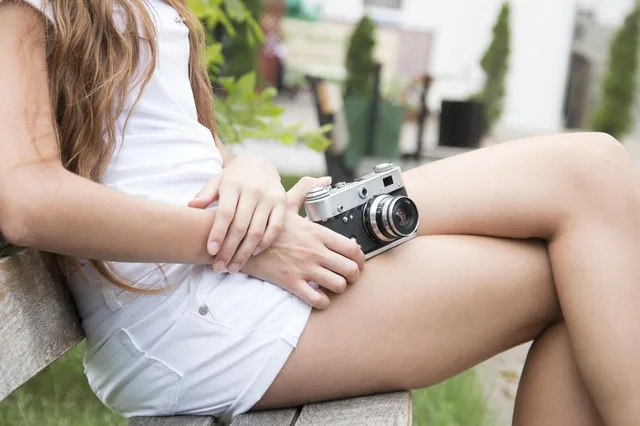
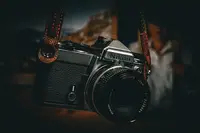
An enthusiast adjusts the lens of a professional mirrorless camera to capture a distant bird. The benefits of larger sensors often involve a significant leap in capability for a fraction of the cost of flagship models.
According to ISO, you get 12.47 stops of dynamic range (rivaling medium format cameras), and excellent high-ISO performance.
Some high-performance models offer 95 percent of what the top-of-the-line Sony A1II offers, but for half the price. These sensors can also facilitate advanced video production, such as recording 8K/30p video.
Such hardware often includes extras like a fully articulated rear screen and support for an external cooling fan to manage heat during extended use.
| Feature | Sensor Benefit | Hardware Example |
|---|---|---|
| Dynamic Range | 12.47 stops | Medium format rival |
| Sensor Size | 144% larger | 1/1.28" size |
How can I choose the best sensor for hiking camera use?
A trekker wipes condensation off a camera lens before checking the menu settings. Selecting the best sensor for hiking camera use requires a structured approach to ensure the gear matches the physical demands of the trail.
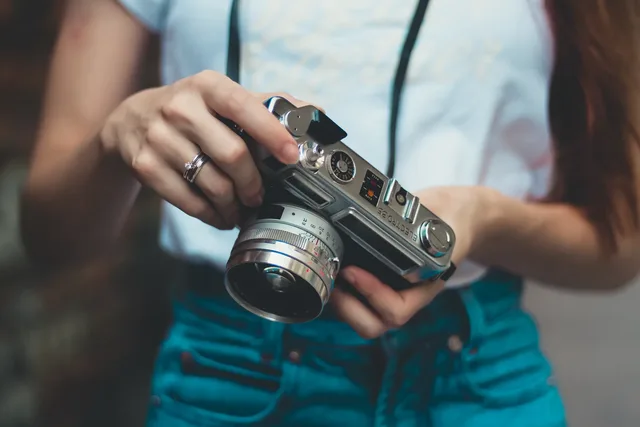
- Determine if the priority is weight or image fidelity. 2. Select a sensor size based on the expected light conditions. 3. Verify the lens compatibility, such as using a compact 40mm pancake lens for light travel.
I have seen how a specific lens system can change a trip, such as using the Nikkor Z 180-600mm for wildlife or a small pancake lens for street photography. One limitation is that even with weather sealing, gear is not 100 percent protected, so it must be kept out of the elements whenever possible.
- Why does sensor size matter for travel camera use?
- How do different sensors perform during trips?
- Which brands dominate the market for outdoor gear?
How do I protect my gear from the elements?
Keep your gear out of the weather whenever you can no matter how sealed it might be, as it is never 100 percent protected. Even if a camera features weather sealing, you should still avoid exposing it to harsh conditions to prevent damage.
- Evaluate the specific environment to determine if you need a lightweight action camera or a robust professional tool. 2. Check for features like external cooling fan support to manage heat during extended use. 3. Use a compact 40mm pancake lens for light travel to maintain portability.
What conditions necessitate a careful sensor evaluation?
- The specific task at hand dictates the necessary sensor evaluation. 2. The anticipated light conditions require a corresponding sensor size selection. 3. The physical demands of the trail must align with the gear chosen for hiking camera use.
A traveler must consider the trade-offs between weight and capability when selecting a sensor. For instance, a user needing to recover details from shadows in diverse environments benefits from larger sensors. Conversely, extreme portability might favor a smaller sensor, like the Insta360 GO 2.
What precautions should be taken regarding environmental exposure?
The gear must be kept out of the weather whenever you can no matter how sealed it might be. Even with weather sealing, gear is never 100 percent protected. A caution exists that exposure to harsh conditions can cause damage despite protective features.
When evaluating a camera sensor choice for trips, one must remember the limitations of sealing. The decision to use a compact 40mm pancake lens for light travel is one way to mitigate risk while maintaining portability. Furthermore, checking for external cooling fan support is a procedure to manage heat during extended use.
The market dominance of certain brands, such as DJI holding a large share of the handheld smart camera market, does not negate the need for physical protection against the elements.



Comments 0