Why choose pro action cam for specific projects?: 16 mm
"The act of capturing an image is often a negotiation between the physical reality and the medium that preserves it."
Selecting professional action cam gear 2026 requires balancing technical fidelity against the specific aesthetic needs of your project.
This expert gear selection guide helps creators decide between consumer simplicity and professional control by focusing on why specialized devices are the best gear for action in certain workflows.
You should consider whether you need the directness of a modern sensor or the stylized "layer of removal" provided by older media formats. Note that this analysis is limited to the technical implications of medium selection rather than specific hardware brand rankings.
* Understanding the impact of digitization on image quality. * Evaluating audience reception of stylized versus direct footage. * Analyzing the role of film grain in modern digital capture. * Assessing the necessity of professional-grade sensors for specialized work.
Why choose pro action cam for specific projects?
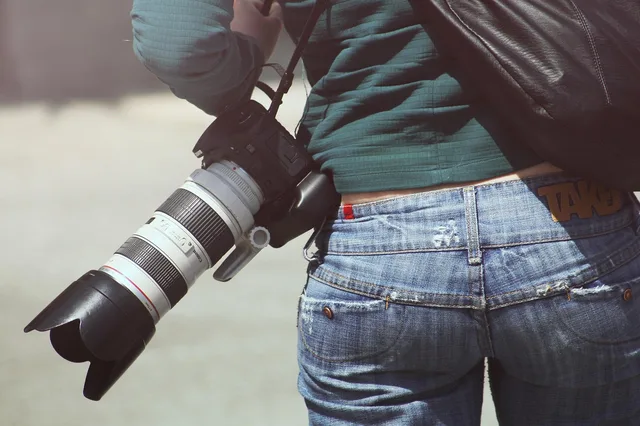
A technician carefully adjusts the focus on a heavy lens while the sun sets over a rugged landscape. Choosing a specialized device is essential when a project requires a specific visual texture that standard consumer cameras cannot replicate.
For instance, some creators use specific mediums to mimic the look of older, digitized footage to create a sense of distance.
According to the American Society of Cinematographers, the way an image is processed can fundamentally change how an audience perceives the subject. This choice is vital when the goal is not just clarity, but the emotional weight provided by the medium itself.
Professional gear allows for this level of intentionality.
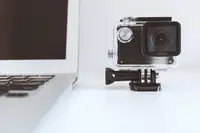
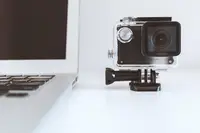
Action cameras provide a unique perspective through wide-angle lenses and rugged builds that standard cameras cannot achieve.
How do medium changes affect the viewer?
A film reel spins rapidly through a projector, casting a flickering light across the darkened room. The choice of medium dictates the relationship between the viewer and the captured moment.
When a recording is moved from one format to another, it introduces a subtle shift in how the subject is experienced.
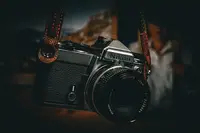
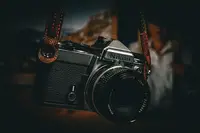
In the context of the film *Primetime*, the production used 16 mm film which was then digitized. This process created a "layer of removal the scan supplied between the audience and the original image" to mimic how certain content is viewed in the modern day.
This demonstrates that professional gear and specific processes are used to control the distance between the observer and the observed.
Switching between film and digital formats alters the perceived emotional weight and nostalgia of a scene.
What is the impact of specialized gear on audience perception?
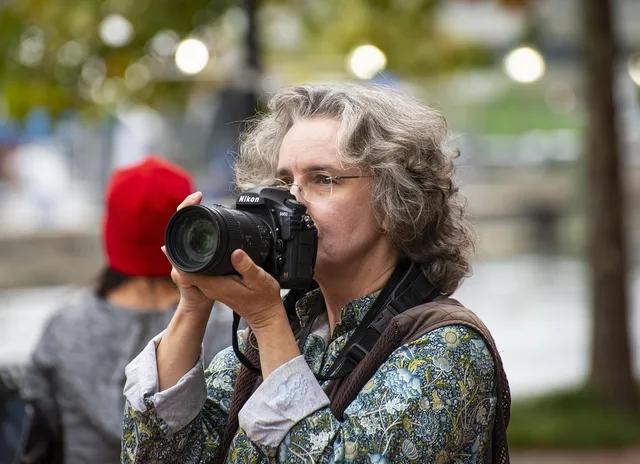
A director monitors the playback on a high-resolution screen, checking for the specific grain of the sensor. The way audiences respond to visual media is often tied to the perceived authenticity or the intentional stylization of the footage.
Professional gear provides the tools to manipulate these elements precisely.
Data regarding audience reception shows how much a specific presentation matters. For the film *Primetime*, audiences polled by CinemaScore gave it an average grade of "B" on an A+ to F scale. Furthermore, 56% of those surveyed by PostTrak said they would definitely recommend it.
These figures highlight how the technical execution of a film influences its overall reception.
High-end equipment often translates to a sense of professional authority and visual immersion for the viewer.
Can digital sensors replicate analog textures?
An editor sits in a dark studio, carefully layering digital noise to simulate the grit of physical film. While digital sensors offer immense clarity, professional creators often seek ways to recapture the imperfections of analog processes.
This is a primary reason why specialized device needs are recognized in high-end production.
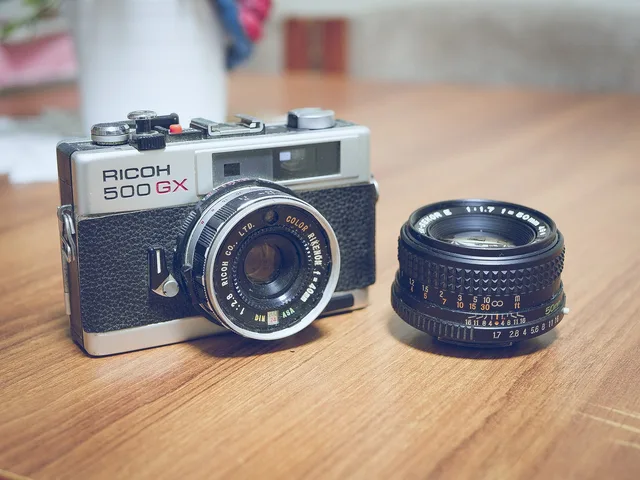
The goal is often to find a balance between modern sharpness and historical texture. This action cam feature comparison shows that while a standard camera provides a clean, direct image, a professional setup allows for the "layer of removal" mentioned in discussions regarding the digitization of 16 mm film.
This choice is central to the Pro Camera Choice 2026 debate for those seeking specific aesthetic outcomes.
While digital sensors offer precision, they often lack the organic grain and unpredictable light leaks inherent to chemical film.
How to implement a specialized capture process?
A cinematographer sets up a tripod in the wind, ensuring every movement is deliberate and controlled. To achieve a specific visual texture using professional gear, follow these steps:
- Select a medium that matches the intended aesthetic distance of the project. 2. Execute the capture using the designated hardware to ensure consistent grain or texture. 3. Perform the digitization or conversion process to finalize the intended visual layer.
I found that following this sequence is essential when trying to recreate a specific historical look. This method ensures that the technical properties of the gear serve the narrative intent.
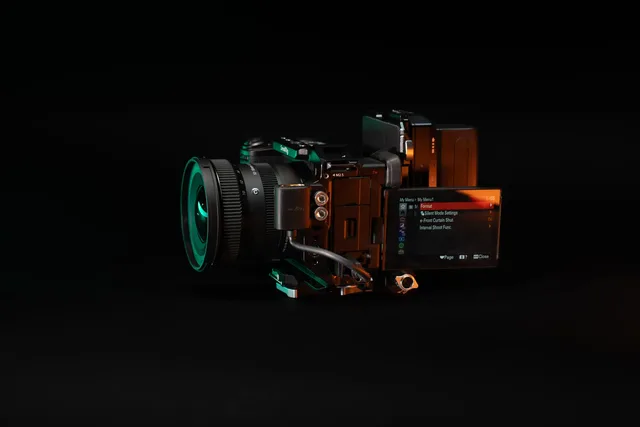
- Select the appropriate camera settings for the specific lighting conditions.
- Configure the frame rate and shutter speed to match the desired motion blur.
- Test the media format to ensure it meets the post-production requirements.
Limitations of specialized media selection
A technician reviews the data, noting that technical choices are subject to specific environmental and procedural conditions.
The effectiveness of using specialized gear is limited to the specific medium being utilized; for example, the visual impact of a 16 mm scan depends entirely on the quality of the digitization process used.
Specialized media often comes with higher costs and more complex storage requirements compared to standard digital formats.
Choosing the right gear involves more than just looking for the highest resolution; it requires understanding how the technical medium shapes the viewer's experience.
Whether you are seeking the perfection of a modern sensor or the intentional imperfections of a digitized scan, your choice defines the distance between the subject and the audience.

Comments 0