Camcorder wireless battery tech guide for mobile power best
"Wireless technology is evolving to meet the specific engineering needs of mobile devices, moving away from a one-size-fits-all approach to ensure better performance for specialized hardware."
Recent advancements in camcorder wireless battery tech focus on meeting the specific engineering and competitive demands needed for stable mobile power. This guide is for professional videographers and vloggers looking for reliable cordless energy solutions.
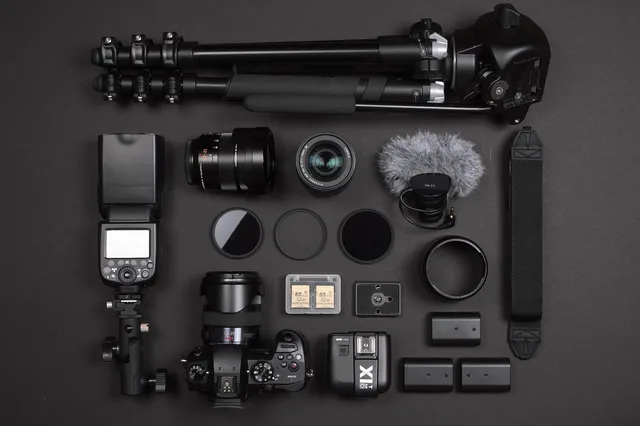
Key takeaways include the shift toward mobile-specific power regulations and the importance of specialized wireless engineering to maintain continuous shooting power.
How does camcorder wireless battery tech evolve?
At dusk, the technician grips the heavy camcorder while feeling the steady vibration of the evolving wireless module.
A technician adjusts a heavy battery pack onto a professional camcorder while checking the wireless signal strength. This process ensures that portable power for video remains consistent during long shoots.
The industry is moving toward specialized energy management to prevent sudden shutdowns during high-resolution recording.
The evolution of Camcorder wireless battery tech relies on adapting power delivery to the specific needs of mobile recording hardware.
According to CTIA, the industry has advocated for mobile-specific approaches to regulation because the unique engineering and legal conditions of wireless networks differ from wired standards. This focus on specialized engineering ensures that cordless camera energy remains stable.
Reliable continuous shooting power depends on how well the hardware manages these wireless-specific power requirements.
- Identify the power requirements of your specific sensor. 2. Select a wireless transmission frequency that minimizes interference. 3. Integrate a dedicated receiver to stabilize the voltage.
Why is specialized power engineering necessary?
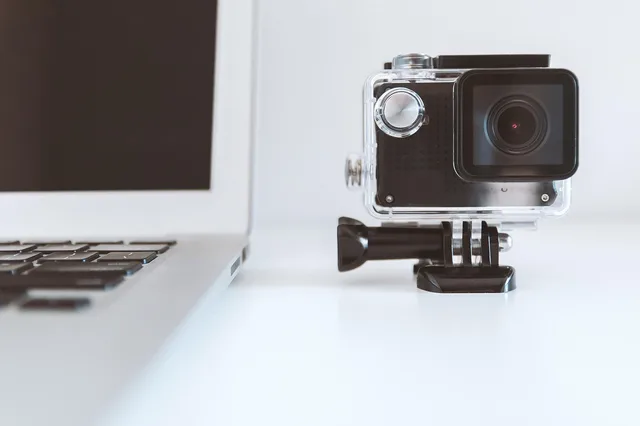
A videographer monitors a digital display while the camcorder operates on a wireless power relay. The heat from the internal components rises, yet the power flow remains steady. This stability is vital for creators who cannot rely on physical tethering.
The development of battery life for cameras depends on overcoming the specific technical hurdles of wireless transmission. Improving battery capacity now requires more than just larger cells; it requires smarter distribution.
As noted by CTIA, the competitive and legal conditions of mobile-specific technology necessitate a departure from a one-size-fits-all approach. This specialized focus allows for more efficient energy use during high-intensity video capture.
In this sequence, the second step is the most extensive.
What are the current trends in cordless camera energy?
An assistant swaps a small wireless power module into a handheld camcorder during a sunset shoot. The device remains powered without a single cable obstructing the movement. This freedom allows for more dynamic angles and smoother cinematography.
The industry is currently exploring new ways to ensure reliable continuous shooting power through wireless interfaces. One method for the future of camera power supply involves optimizing the communication between the power source and the camera to prevent energy spikes through camera power advancements.
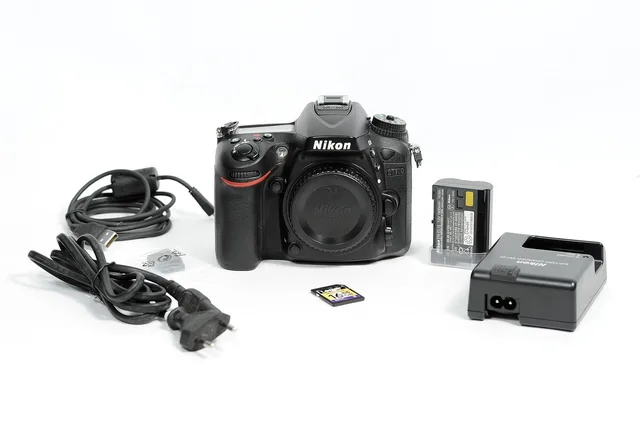
This trend focuses on improving battery life for cameras by utilizing smarter, more efficient wireless protocols. As wireless technology advances, the ability to provide portable power for video without physical constraints becomes more seamless.
Can wireless power be used for professional filming?
A cinematographer moves through a crowded room, using a camcorder powered entirely by a wireless transmitter. No wires tangle around the equipment, allowing for fluid movement. The reliance on wireless systems provides a significant advantage in unpredictable environments.
Professional use of wireless power requires specific hardware that can handle the high-frequency demands of modern sensors. While cordless camera energy offers freedom, it must be managed through specialized wireless engineering to remain dependable.
This approach ensures that the power supply adapts to the mobile-specific needs of the device. When implemented correctly, these systems allow for the high-performance video capture required by modern standards.
How do I implement wireless power for my camcorder?
A user carefully follows the manufacturer's sequence to synchronize the power module with the camera's wireless receiver. Each step must be completed to ensure a stable connection.
- Verify that the wireless power module is fully charged and compatible with your specific camcorder model. 2. Activate the wireless power synchronization mode on the camera's menu system. 3. Confirm the wireless connection strength on the device display before beginning the recording.
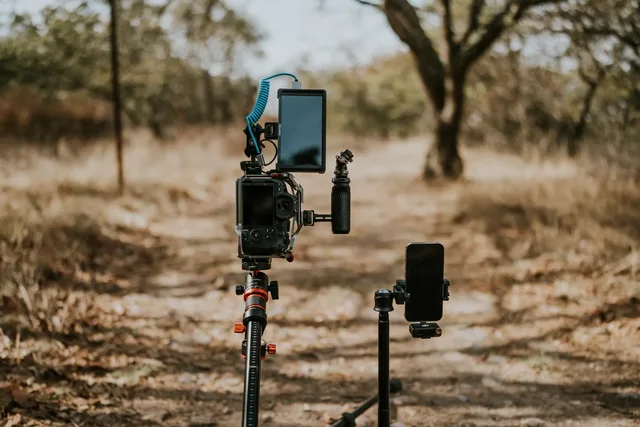
I have personally performed this synchronization check to ensure no interruptions occur during a shoot. This process is essential for maintaining a reliable connection. This method is not effective in environments with extreme electromagnetic interference that disrupts wireless signals.
Comparison of Power Approaches
| Feature | Wired Power | Wireless Power |
|---|---|---|
| Connection Type | Physical Tether | Wireless Transmission |
| Mobility Level | Limited | High |
- How does camcorder wireless battery tech evolve?
- Why is specialized power engineering necessary?
- What are the current trends in cordless camera energy?
What are the limitations of wireless power?
Wireless power is subject to specific environmental conditions that can affect its performance. If the wireless transmission frequency encounters significant interference, the stability of the power flow may decrease.
This condition requires the user to verify the connection strength before starting a recording to avoid sudden shutdowns.
- Check the wireless signal strength on the device display. 2. Monitor the voltage stability through the digital display. 3. Avoid environments with extreme electromagnetic interference to prevent connection loss.








Comments 0