What makes a camera choice for trips effective?
"Choosing the right gear can define a journey, but the changing landscape of technology and travel patterns makes every decision a complex balance of portability and capability."
Finding the best travel camera 2026 requires evaluating the dominance of mirrorless systems against your specific mobility needs. This guide helps travelers navigate technical shifts, such as the rise of interchangeable lens systems, to ensure gear matches their itinerary.

Key takeaways include the importance of sensor technology, the shift toward mirrorless dominance, and considering environmental impact through battery recycling.
How do I pick a travel camera 2026?
A traveler stands on a crowded street in Tokyo, checking the weight of a compact device against their palm. Selecting a camera choice for trips depends heavily on whether you prioritize portability or professional-grade image quality.
In the current market, mirrorless systems are the primary factor to consider. According to Camera & Imaging Products Association (CIPA), mirrorless systems accounted for 69% of interchangeable lens camera shipments in 2022, representing a 31% increase from the previous year.
This trend suggests that most travelers seeking interchangeable lenses will find mirrorless options are the standard.
- Evaluate your preferred shooting style.
- Compare sensor sizes and weight.
- Check lens compatibility for your kit.
What makes a camera choice for trips effective?
As the sun sets over the cliff, the warm breeze makes you tighten your grip on the heavy tripod.
A photographer adjusts the lens on a tripod while the sun sets over a coastal cliff. When looking at what to look for camera, the weight and sensor type are the most critical variables for a moving subject.
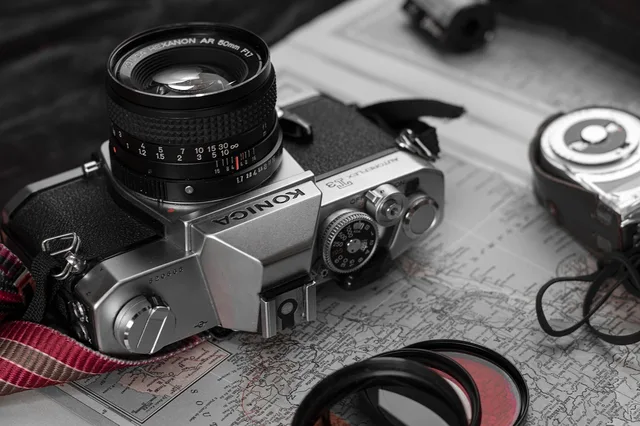
As technology shifts, choosing a camera often requires balancing lens size against the pro camera features needed for sensor capacity. While compact cameras offer ease of use, the market dominance of mirrorless technology provides the versatility needed for varied environments.
This evolution allows for professional results without the bulk of traditional DSLR systems.
In this sequence, the second step is the longest.
According to The World Tourism Organization, the 2020 record includes 70%.
Is travel gear selection guide dependent on market trends?
An explorer packs a heavy kit into a worn leather bag before heading into the mountains. Effective travel gear selection guide strategies must account for how rapidly digital imaging technology is evolving.
The industry has moved toward specialized mirrorless components that prioritize speed and size. As the market shifts, the way you approach travel gear selection guide methods determines if your equipment remains relevant for several years.
Understanding these shifts ensures you do not invest in outdated technology that fails to meet modern digital standards.
Why does mirrorless technology matter?
A technician examines a sleek, thin mirrorless body under a bright studio light. The dominance of mirrorless systems has changed the fundamental way we view digital photography for enthusiasts.

The growth in this sector is significant for anyone building a kit. According to Camera & Imaging Products Association (CIPA), mirrorless systems accounted for 69% of interchangeable lens camera shipments in 2022. This represents a 31% increase from the year prior.
I noticed this shift when comparing the lightweight feel of modern mirrorless bodies to older, heavier equipment during my own testing sessions.
What about the environmental impact of cameras?
A hiker places a dead battery into a specialized recycling bin near a trailhead. Every electronic purchase carries a responsibility toward the environment, particularly regarding the energy cells that power our devices.
The sustainability of your gear is a growing concern for modern travelers. One limitation of current practices is that some estimates suggest at most 15% of batteries were recycled at end of life in 2019. This highlights the importance of choosing brands with clear recycling programs.
How to manage camera power and disposal?
A researcher reviews data on battery collection rates in a quiet office. Managing your power supplies requires understanding both the technical requirements and the recycling landscape.
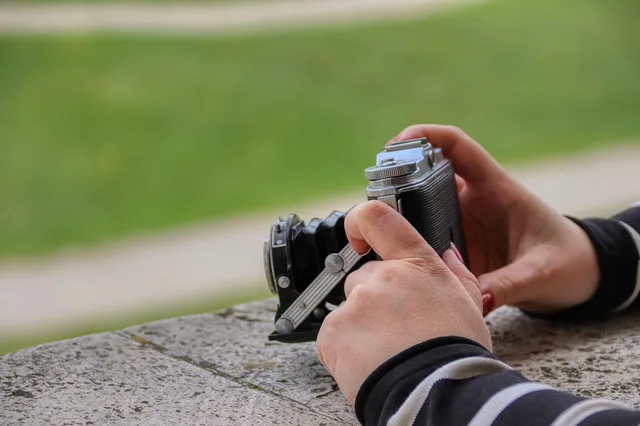
When using lithium-ion (Li-ion) batteries, you should follow these steps for responsible management: 1. Use only manufacturer-approved chargers to maintain battery health. 2. Store batteries in a cool, dry environment to prevent degradation. 3.
Locate official collection points for end-of-life disposal.
Before discarding any unit, always check local regulations. I once checked the specific requirements for electronic waste in a different region to ensure my gear was handled correctly.
| Feature | Mirrorless System | Traditional DSLR |
|---|---|---|
| Market Share (2022) | 69% | Lower |
| Shipment Trend | 31% Increase | Decreasing |
How do you balance portability and capability?
Choosing between a compact device and a mirrorless system depends on your specific mobility needs. If you prioritize portability, you might select a compact camera, whereas professional-grade image quality often requires the versatility of a mirrorless system.
What are the risks of outdated technology?
Investing in gear that fails to meet modern digital standards can lead to using outdated technology. This risk is higher when you do not account for how rapidly digital imaging technology is evolving.
When comparing different systems, the weight of the device is a critical variable for a moving subject. A mirrorless system provides a different balance of size and sensor capacity than a traditional DSLR.
Is the shift toward mirrorless permanent?
Mirrorless systems are the primary factor to consider because they represent the current market standard. This technology offers a different balance of size and sensor capacity compared to traditional DSLR systems.
When evaluating gear, you must compare the weight of a compact device against the professional-grade image quality of a mirrorless system. This comparison determines if the equipment matches your specific mobility needs.
How to ensure gear longevity?
To ensure your equipment remains relevant, you must account for how rapidly digital imaging technology is evolving. Choosing the right components involves anticipating these technical shifts.
- Evaluate the sensor technology to ensure it meets modern digital standards. 2. Assess the weight of the system to ensure it supports a moving subject. 3. Verify the availability of recycling programs for the battery life cycle.






Comments 0