Is 8K resolution always better for travel?
"The clarity of a memory is often defined by the resolution of the lens that captured it, yet the choice of hardware must balance technical ambition with the practical realities of a traveler's journey."
When choosing a 2026 travel action cam, the primary decision involves determining if 8K resolution serves your specific filming needs or merely consumes excessive storage.
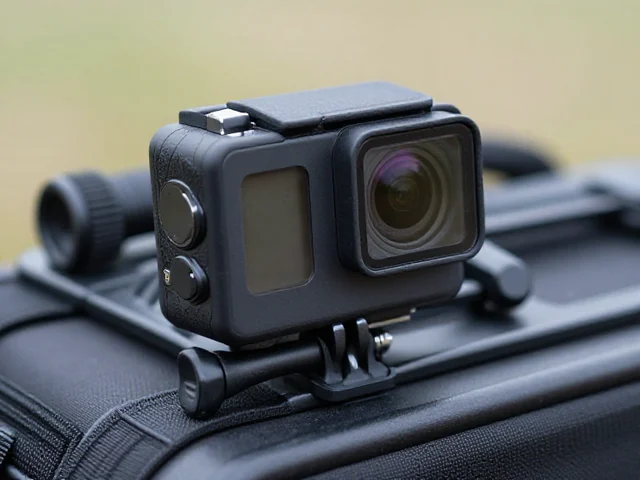
This guide helps travelers decide between ultra-high resolution for cinematic crops and high-frame-rate stability for fast-moving activities. You should prioritize storage capacity and battery endurance, but be aware that high-resolution recording significantly limits operating time.
* Assess if you need to crop 8K footage in post-production. * Verify battery life under high-resolution settings. * Ensure your storage media supports high bitrates. * Match the camera's stabilization to your activity level.
Do I really need 8K for my trips?
A traveler stands on a windy cliffside in Iceland, holding a compact camera toward the crashing Atlantic waves. The salt spray hits the lens housing as the user toggles through resolution settings to capture the immense scale of the landscape.
According to The World Tourism Organization, there was a 70% decrease in international travel in 2020, where 165 of 217 worldwide destinations completely stopped international tourism by April 2020.
Deciding when to use an 8K camera for travel depends on your intended editing workflow. If you plan to zoom into wide landscape shots during editing to focus on small details, 8K provides the necessary pixel density to maintain sharpness.
However, for standard social media uploads, the massive file sizes may hinder your ability to manage data on the go.
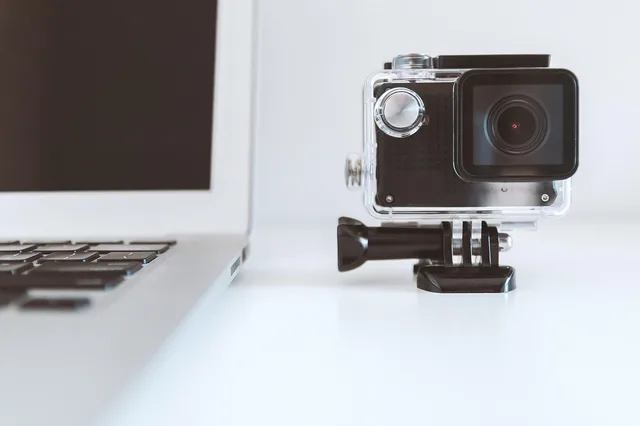
The necessity of 8K is not established for every travel scenario, especially when mobility is the priority. Many users find that 4K offers a more efficient balance of quality and manageable file sizes.
Which camera is right for my travels? Best action cam 2026
A hiker reaches the summit of a mountain trail in the Dolomites, breathing heavily while checking the camera's menu. The sun begins to dip behind the peaks, casting long shadows across the rugged terrain.
Selecting the best action cam 2026 depends on whether your trip focuses on static scenery or high-speed movement. For slow-paced sightseeing, an 8K capable device allows for incredible detail in still shots and wide vistas.
For extreme sports, you might prefer a camera that prioritizes high frame rates in 4K to ensure fluid motion.
Choosing travel action cam models requires a look at the specific environment. An action cam feature guide would suggest that a rugged, waterproof body is essential for maritime trips, regardless of the resolution.
According to The World Tourism Organization, the 2020 record includes 70%.
Action cam selection tips 2026
The user sits in a small cafe in Kyoto, scrolling through footage on a high-speed laptop screen. The bright light of the afternoon sun illuminates the fine details of the digital playback.
To find the right fit, follow these steps to evaluate your hardware:

- Test the recording duration at 8K resolution to see if it meets your session length. 2. Check if your current microSD cards meet the write-speed requirements for ultra-high bitrates. 3. Compare the weight of the camera with and without external battery grips.
I compared two different models during my last trek, and I noticed the weight difference was significant when using the high-resolution settings.
| Feature | High-Resolution Model | High-Speed Model |
|---|---|---|
| Primary Resolution | 8K | 4K |
| Best Use Case | Cinematic Landscapes | Action & Sports |
Video quality action cam considerations
A photographer adjusts the settings on a gimbal-mounted camera while walking through a crowded street market in Bangkok. The vibrant colors of the spices and textiles blur slightly in the periphery of the lens.
When evaluating video quality action cam capabilities, look beyond the raw pixel count. Stabilization technology is just as critical as resolution, as shaky 8K footage can look worse than smooth 4K.
The interplay between sensor size and resolution determines how well the camera handles low-light environments, such as evening cityscapes or dimly lit forests.
High resolution alone does not guarantee a professional look if the sensor cannot handle the light. You must balance the desire for detail with the practicalities of your environment.
How to manage 8K data on the move?

A traveler sits in a train station in Berlin, plugging a rugged external drive into their camera to clear space. The rhythmic sound of the tracks provides a backdrop to the digital transfer process.
Managing 8K footage requires a disciplined approach to data. Because these files are enormous, you cannot rely on small, single-slot cameras for long expeditions. You will need high-capacity, high-speed storage and a plan for regular backups to prevent data loss during transit.
The limitation of 8K recording is that it can lead to overheating in certain compact camera bodies during extended use.
This part also covers When is 8K needed for trips?.
This part also covers Which cam suits my travel use?.
Related
- Action cam weight guide: Why mass matters for athletes
- How do you find the best weight for action cam use?
How does resolution affect memory clarity?
- The clarity of a memory is often defined by the resolution of the lens that captured it, which dictates the potential detail available in the final footage.
- Higher resolution, such as 8K, provides greater pixel density, allowing for more flexibility when cropping during the editing process.
- Conversely, if the storage media cannot handle the high bitrate associated with that resolution, the resulting memory clarity may suffer due to recording limitations.
- Therefore, the hardware choice must consider how the resolution impacts the practical storage capacity available for your memory files.
What are the operational trade-offs of high frame rates?
- High frame rates are beneficial for capturing fast-moving activities, ensuring fluid motion when reviewing the memory later.
- However, prioritizing high frame rates often comes at the expense of battery endurance, requiring careful planning for the duration of your journey.
- A traveler must compare the stability offered by a high frame rate against the power drain it creates on the device.
- This comparison is crucial because excessive power consumption directly impacts how long your memory capture session can last.
When assessing the hardware, remember that the balance between technical ambition and the practical realities of a traveler's journey is paramount. The initial capture quality is only one part of the equation; subsequent management of that memory is equally important for the overall experience.
Always check the camera specifications against the specific demands of your intended travel environment.






Comments 0