How do you find the best weight for action cam use?
"The weight of your gear often dictates the limit of your adventure."
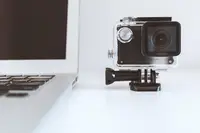
Choosing an action camera in 2026 requires a careful balance between physical mass and technical capability to ensure your filming remains uninterrupted during intense movement.
This 2026 action cam weight guide focuses on how mass influences stability and user fatigue, helping you select the right tool for your specific sport. You should prioritize portability for high-impact activities, but be aware that lighter models may sacrifice battery capacity or sensor size.
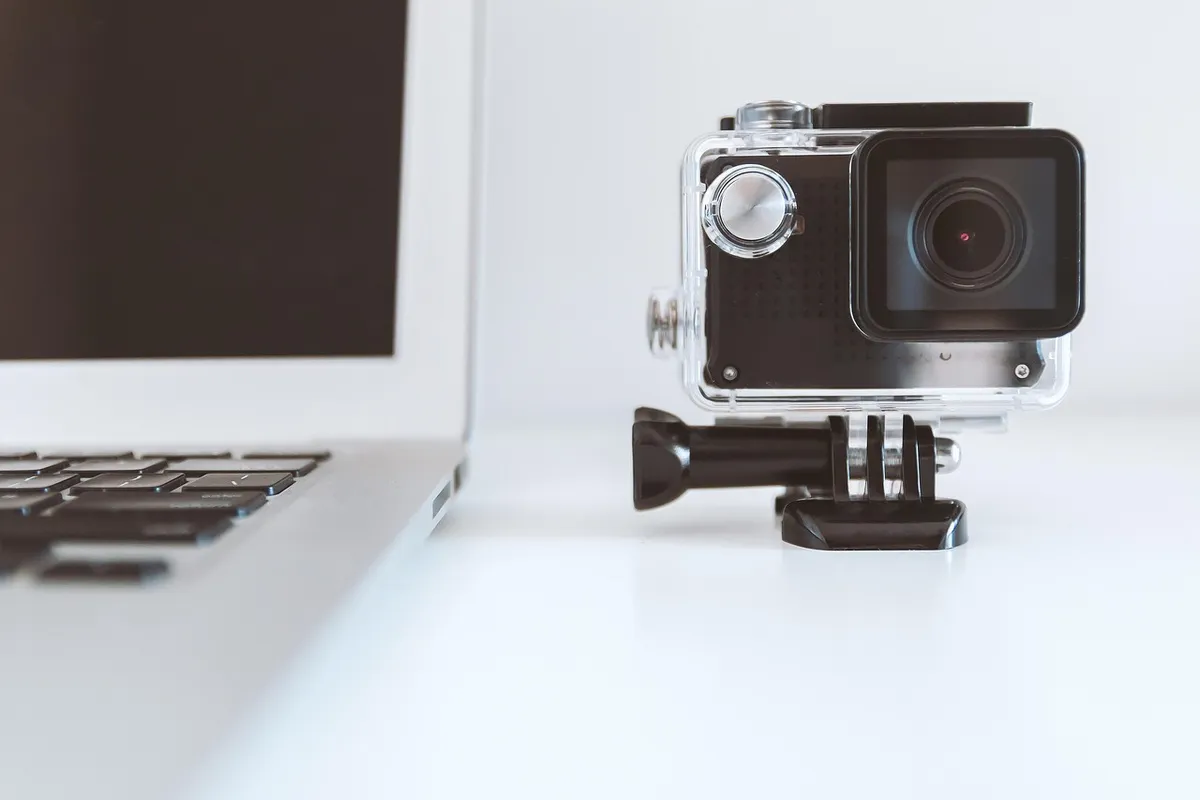
* Understand the relationship between device mass and mounting stability. * Evaluate how weight affects long-term user comfort during extended sessions. * Identify the trade-offs between lightweight chassis and high-end optical features.
Why does weight matter for an action cam?
At dusk on the mountain ridge, the hiker feels the heavy camera pull against their chest as they struggle to find balance.
A hiker adjusts a chest mount, feeling the slight pull of the device against their harness as they ascend a steep ridge. The sensation of weight is most apparent when the camera is mounted on a helmet or a handheld stick during rapid movement.
Understanding the weight impact on sports filming is essential because a heavy device can create unwanted centrifugal force or vibration.
The mass of the camera directly influences how much the image shakes during high-velocity maneuvers. When a device is too heavy for its mount, the physics of motion can cause the footage to appear unstable or jittery.
Selecting a light action camera 2026 allows for much more fluid movement in extreme environments.
In this section, the first point is the most important.
How do you find the best weight for action cam use? 2026 action cam weight guide
At dawn on the trail, the hiker grips the strap and feels the heavy pull to find the perfect balance.
A cyclist grips the handlebars, feeling the vibration of the road through the small device attached to the stem. Finding the ideal balance involves looking at the specific mounting points you plan to use most often.
You must consider whether the camera will sit on a tripod, a helmet, or a wearable harness.
The best weight for action cam applications depends entirely on the intended mounting method and the intensity of the activity. For example, a weight that feels negligible on a tripod might become a burden when clipped to a baseball cap.
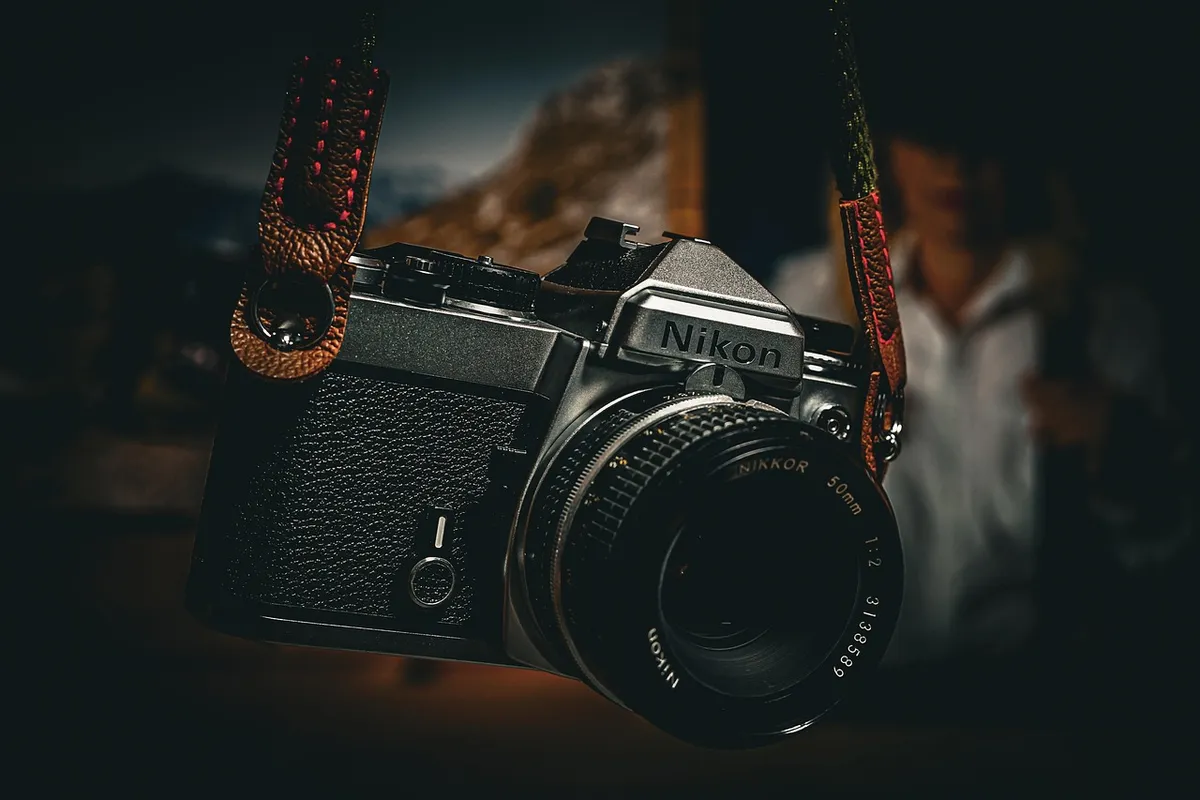
Many enthusiasts find that choosing camera by weight is the most practical way to prevent gear fatigue during multi-hour excursions.
- Identify your primary mounting surfaces.
- Weigh your existing stabilization gear.
- Compare the total setup weight against your comfort threshold.
How do I choose the right action cam?
A photographer sits at a desk, comparing the dimensions of two different compact devices under a bright lamp. They look at the thickness of the casing and the density of the internal components. Establishing clear action cam selection criteria helps narrow down a massive market of options.
To choose effectively, you should follow these steps:
- Define your primary mounting location, such as a helmet, chest, or handheld grip. 2. Match the device mass to the strength of your existing mounting accessories. 3. Compare the weight of the camera with the weight of necessary external batteries.
I once spent an entire afternoon testing how a heavier unit felt on my wrist during a long trek, and the difference in fatigue was immediate. After completing these steps, verify that the weight does not exceed the rated capacity of your specific mounting hardware.
How can I balance quality and weight?
A filmmaker adjusts the settings on a high-end device, noticing how the larger lens assembly adds a noticeable heft to the unit. They must decide if the extra resolution is worth the added grams.
This process involves balancing quality and weight to ensure the technical specs don't ruin the portability.
| Feature Focus | Weight Profile | Primary Benefit |
|---|---|---|
| High Resolution | Heavier | Superior image detail |
| Extreme Portability | Lighter | Reduced user fatigue |
A heavier camera often houses larger sensors and more robust cooling systems, which are vital for high-bitrate recording. Conversely, a lighter unit is often more agile and less intrusive during subtle movements.
Is there a limit to lightweight designs?
A technician examines a stripped-down camera chassis, noting the absence of a large internal battery. The device is incredibly easy to carry, yet it lacks the stamina for a full day of shooting. This highlights a common compromise in hardware design.
The primary limitation of a lightweight design is the reduction in battery life and thermal management capabilities. A smaller body provides less room for the high-capacity cells required for extended 4K recording.
Therefore, a lightweight device may require more frequent battery swaps during long sessions.
This part also covers how camera weight affects use.
weight impact on sports filming
Related
- Action cam guide: Best gear tips for sports 44
- Action cam 8K worth it? Guide to high pixel count video
What are the practical considerations when assessing gear weight?
- Determine the maximum acceptable weight for the chosen mounting accessory. 2. Assess the expected duration of the adventure to gauge potential user fatigue from the gear. 3. Compare the total weight, including necessary external batteries, against the camera's base mass.
The weight of your gear must align with the physical demands of your chosen activity. If the gear is too substantial, the resulting user fatigue diminishes the quality of the adventure itself.
This assessment helps ensure that the technical capability of the camera is not undermined by the physical burden of the gear.


Comments 0