Are there specialized lenses for extreme wide angles?
"The era of interchangeable lenses is defined by the versatility of the mount and the specialized intent of the glass."
This guide helps you navigate mirrorless dominance, zoom versus prime options, and specialized wide-angle or telephoto needs.
* Understand the dominance of mirrorless systems. * Match focal ranges to your filming subject. * Evaluate aperture for low-light performance. * Consider weight and size for mobility.
Why does the mirrorless market matter for your camcorder lens guide 2026?
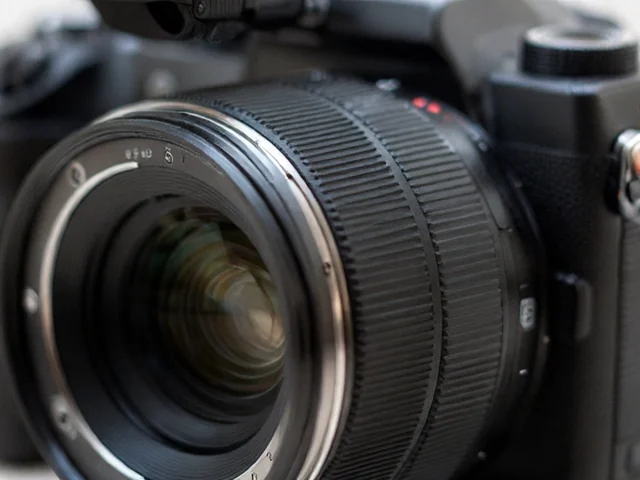
At dusk, I grip the smooth mirrorless body tightly while searching for the latest updates there.
Mirrorless systems have become the standard for modern video production.
According to the Camera & Imaging Products Association (CIPA), mirrorless systems accounted for 69% of interchangeable lens camera shipments in 2022, marking a 31% increase from the previous year.
This market dominance means that most new lens developments are optimized for mirrorless mounts rather than traditional DSLRs.
When searching for a camcorder lens guide 2026, you will find that the most significant innovations in optical formulas are occurring within these electronic mount ecosystems. This shift ensures better communication between the lens and the camera body for autofocus and stabilization.
How do you compare camcorder lens technology for different needs?
At dawn, I feel the cold metal of several glass mounts while I weigh each option there.
A filmmaker swaps a heavy telephoto lens for a lightweight zoom to move quickly through a crowded street. Selecting the right tool depends on whether you need a wide view or a distant reach. You can compare camcorder lens technology by looking at the specific focal range and the aperture width.
| Lens Type | Typical Use Case | Example Feature |
|---|---|---|
| Ultra-Wide Zoom | Landscape/Vlogging | Wide-angle coverage |
| Standard Zoom | General Purpose | Versatile focal range |
| Telephoto Zoom | Wildlife/Sports | Long-distance reach |
I found that choosing a zoom lens like the Nikon Z 24-105mm f4-7.1 provides an affordable, small, and light option for general movement. However, if you require a unique focal range, the Tamron 35-100mm f2.8 Di III offers a specific mid-range zoom for Nikon Z and Sony Alpha cameras.
What will the wide-angle lens trends be in 2026?
An artist stands in a narrow hallway, aiming a wide lens to capture the entire architectural space. The industry is pushing the boundaries of how much of a scene can be captured in a single frame.
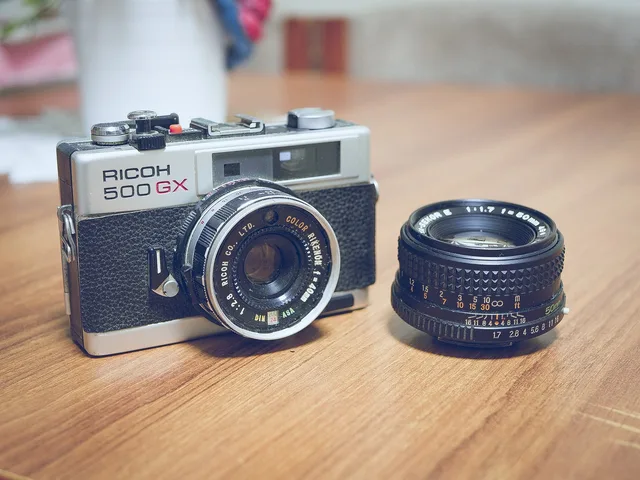
Many creators are looking for the best mirrorless best vlogging camera lens combinations to maximize their field of view.
To achieve an ultra-wide perspective, follow these steps: 1. Identify your primary subject, such as architecture or vast landscapes. 2. Select a lens with a wide focal length, such as the Canon RF 14mm f1.4L VCM, which expands hybrid series capabilities with a very wide angle. 3.
Test the distortion, especially if using a specialized tool like the Canon RF 7-14mm f2.8-3.5L Fisheye, which delivers both circular and diagonal images. 4. Verify the mount compatibility with your specific mirrorless body.
High-speed camcorder lens buy decisions often focus on these wide-angle primes or zooms to ensure the subject remains the center of attention despite the expansive view.
How can you find the best lens for camcorder 2026 for wildlife?
A photographer crouches in tall grass, peering through a long lens to track a bird in flight. Capturing distant subjects requires specialized glass that can maintain sharpness at long distances. This is a core part of the lens choice for new camcorder setups intended for professional outdoor work.
For high-end sports and wildlife, the Sigma 300-600mm f4 DG OS serves as a bright aperture, super-tele zoom. This type of equipment is essential when you cannot physically move closer to the subject.
While these lenses provide immense reach, they are much larger and heavier than the compact lenses used for daily vlogging.
What should I look for in lens visual performance?
A cinematographer adjusts the manual focus on a prime lens to create a shallow depth of field. Achieving a specific "look" often requires moving away from versatile zooms toward specialized prime lenses.
Visual performance lens selection involves weighing the trade-offs between aperture speed and focal flexibility.
If you need extreme brightness, the Zeiss Otus ML 50mm f1.4 is a wide-aperture, manual focus, standard prime lens designed for Sony, Canon, and Nikon mirrorless full-frame cameras.
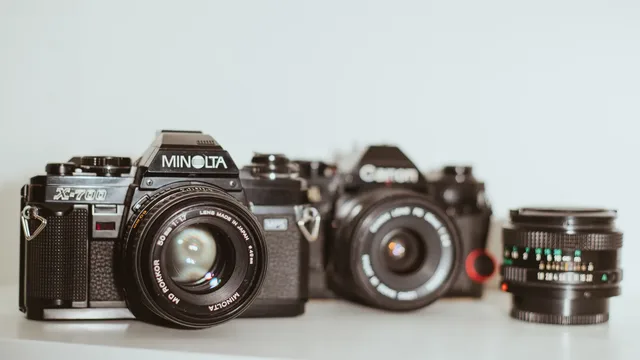
For those wanting a specific wide-end design, the Voigtlander 28mm f2 APO-Lanthar extends acclaimed designs to a new wide focal length. These choices prioritize image quality and light intake over the convenience of zooming.
- Choosing the right lens for your camcorder in 2026 requires balancing focal length, aperture, and system compatibility to match your specific filming environment.
- You should prioritize weight and aperture for handheld vlogging, while acknowledging that specialized fisheye or ultra-telephoto lenses may be too heavy for casual use.
- A videographer adjusts the focus ring on a compact mirrorless body while looking at the crisp playback on a small screen.
Related
What conditions dictate the use of prime versus zoom interchangeable lenses?
- The choice between a prime lens and an interchangeable zoom lens hinges on the desired creative outcome. 2. Prime lenses, like the Zeiss Otus ML 50mm f1.4, offer superior light gathering capabilities when extreme brightness is needed for low-light scenarios. 3. Zoom lenses, such as the Nikon Z 24-105mm f4-7.1, provide focal flexibility, which is beneficial for general movement where subject distance fluctuates. 4. A cinematographer might opt for a prime lens when creating a shallow depth of field, a condition difficult to replicate consistently with a zoom.
When should weight and size considerations override optical performance?
- For casual vlogging, the weight and size of the camcorder lens become a primary limiting factor for the creator. 2. If mobility is the highest priority, a smaller, lighter zoom lens is preferable over a heavy telephoto zoom, even if the latter offers greater reach. 3. The condition for choosing a lightweight option is when the filming environment demands ease of transport over maximum optical capability. 4. A creator must acknowledge that specialized fisheye or ultra-telephoto lenses may be too heavy for casual use, regardless of their advanced features.
The versatility of the mount allows users to swap between specialized interchangeable lenses depending on the immediate need of the shoot. This flexibility is what defines the modern shooting experience.
When comparing lens types, remember that the aperture width directly influences how much light the lens can capture, which is crucial for performance in dim settings.
The focal range dictates the perspective, allowing a filmmaker to transition from a broad landscape view to a focused portrait shot using the same camera body.
The market trend toward mirrorless dominance means that the communication between the lens and the camera body must be robust for accurate autofocus and stabilization across all interchangeable lenses.


Comments 0