Why choose mirrorless for your next setup?
"The shift toward mirrorless technology has redefined how we capture the world, making professional-grade gear more accessible than ever before."
This guide explores how to select the right equipment based on market trends and how to maximize savings through specialized retail discounts.
Why choose mirrorless for your next setup?
As the morning sun floods the studio, I grip the lightweight body and decide to choose a more agile way to shoot.
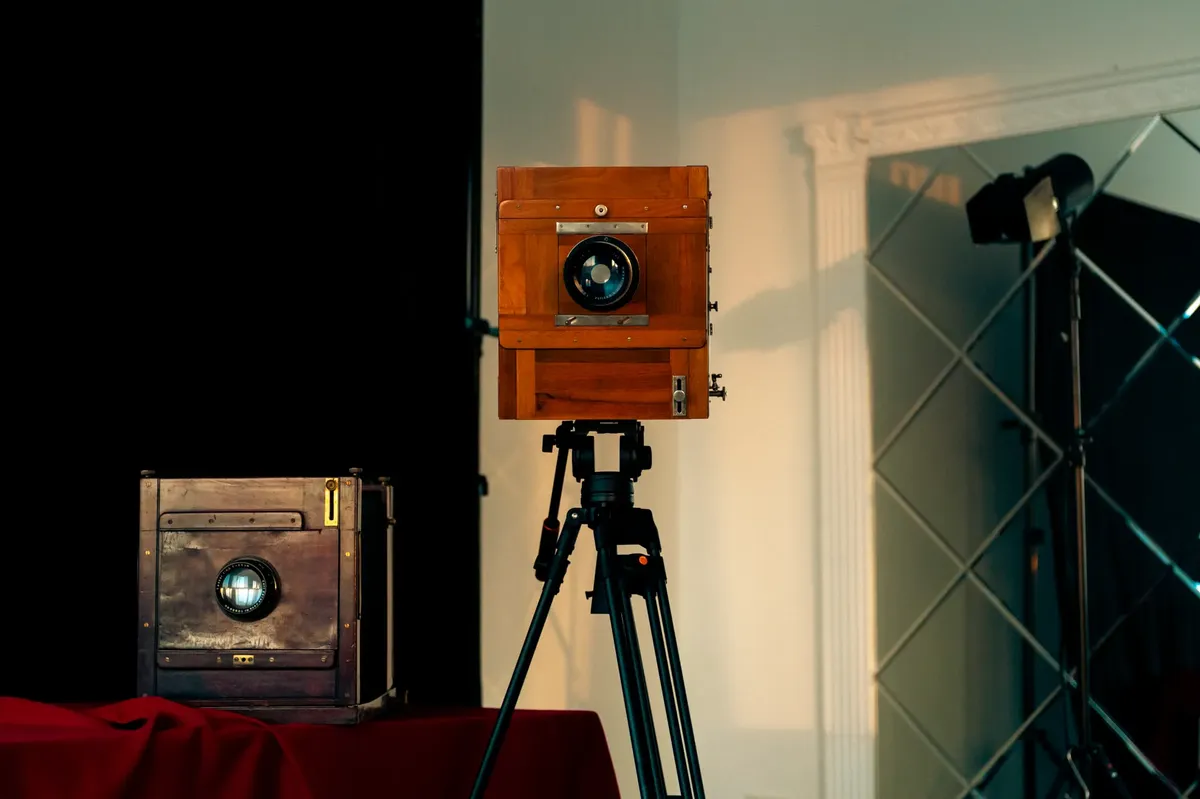
A photographer stands in a sunlit studio, adjusting the lens on a sleek, compact body that lacks a heavy internal mirror mechanism. This modern design allows for faster shooting speeds and more compact kits.
The market has clearly shifted toward these more agile systems. According to the Camera & Imaging Products Association (CIPA), in 2022, mirrorless systems accounted for 69% of interchangeable lens camera shipments, representing a 31% increase from the previous year.
This shift suggests that the next gen camera purpose is increasingly focused on portability and advanced autofocus capabilities.
Choosing your camera gear involves weighing these size advantages against the specialized needs of your work. While larger bodies offer robust ergonomics, the compact nature of mirrorless systems provides significant mobility for various shooting environments.
How do you manage a best large camera setup? Large camera gear use 2026
A traveler walks through a bustling electronics district, looking at a variety of high-end photography equipment displayed in glass cases. They consider how a heavier body might offer better stability for certain professional tasks.
Professional workflows often require a balance between portability and durability. While smaller systems are popular, a best large camera setup might still be necessary for specific environments where stability and battery life are paramount.
The versatility of modern sensors means that even larger bodies are becoming more efficient. Users must decide if the weight of a professional kit is worth the trade-off in mobility.
What is the role of a pro camera body use guide?
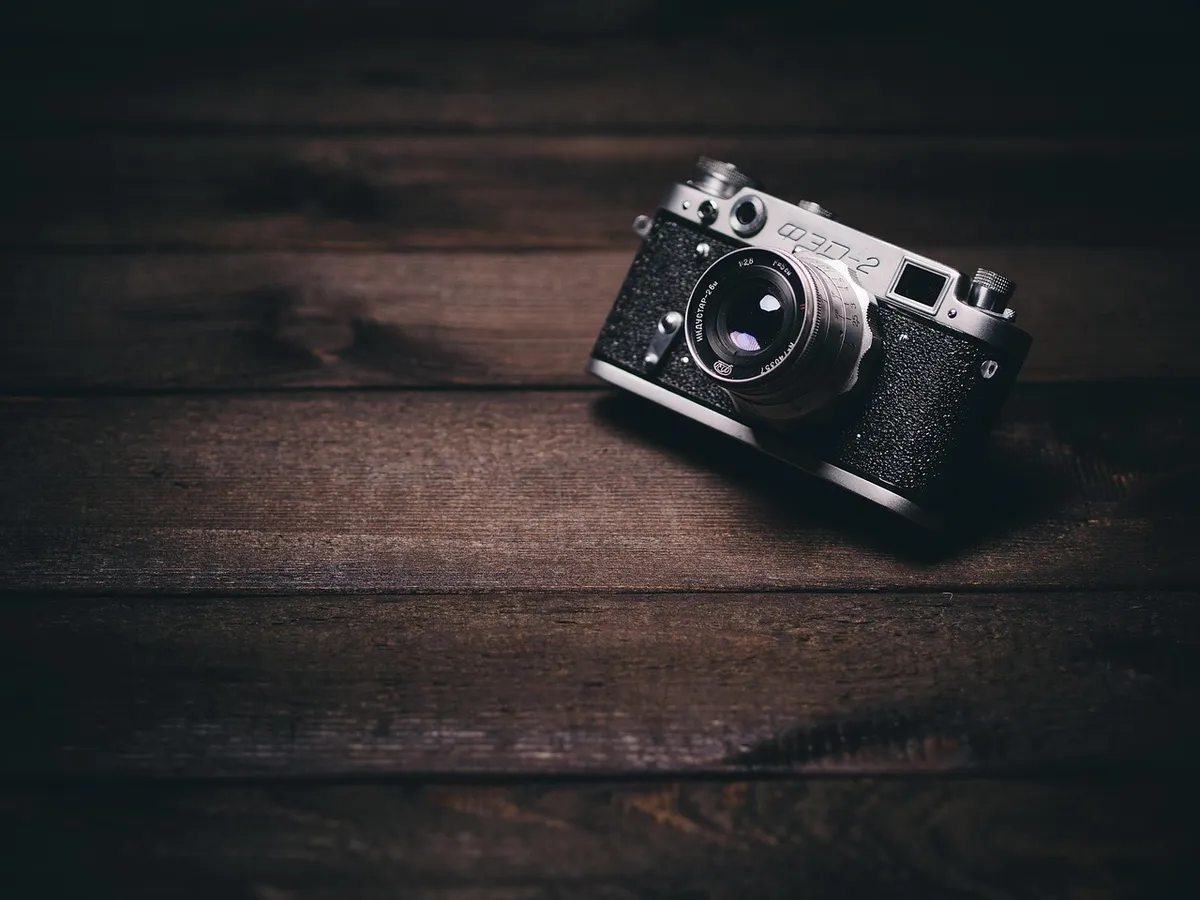
A videographer sets up a tripod in a quiet park, carefully mounting a camera to ensure smooth movement during a shoot. They check the settings to ensure the sensor can handle the lighting conditions.
Understanding the technical specifications is essential for any professional. A pro camera body use guide should focus on sensor size, video capabilities, and ergonomic features.
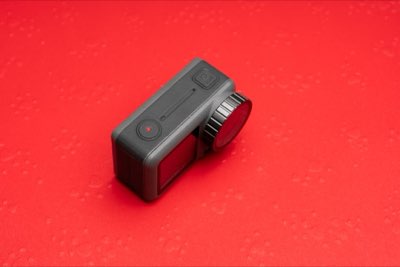
For instance, some compact handheld cameras now feature upgraded 37MP 1-inch sensors and 3-axis gimbal stabilization, which take mobile vlogging to a new level.
Reliability is the primary goal for those using professional equipment. Every feature, from shutter speed to video frame rates, serves a specific creative purpose.
How can you navigate the best large camera setup savings?
A shopper holds a smartphone, scrolling through a digital coupon while standing in front of a bright retail display. They compare the listed prices to the potential savings available through tax-free shopping.
When shopping in Japan, utilizing specific retail programs can significantly lower the cost of high-end equipment. For example, visitors staying in Japan for less than 6 months can utilize tax-free procedures.
| Item Type | Retail Price (Yen) | After Tax-Free Price (Yen) |
|---|---|---|
| Canon EOS R50 Double Zoom Kit | 156,200 | 142,000 |
| Fujifilm Instax Mini Evo | 28,600 | 26,000 |
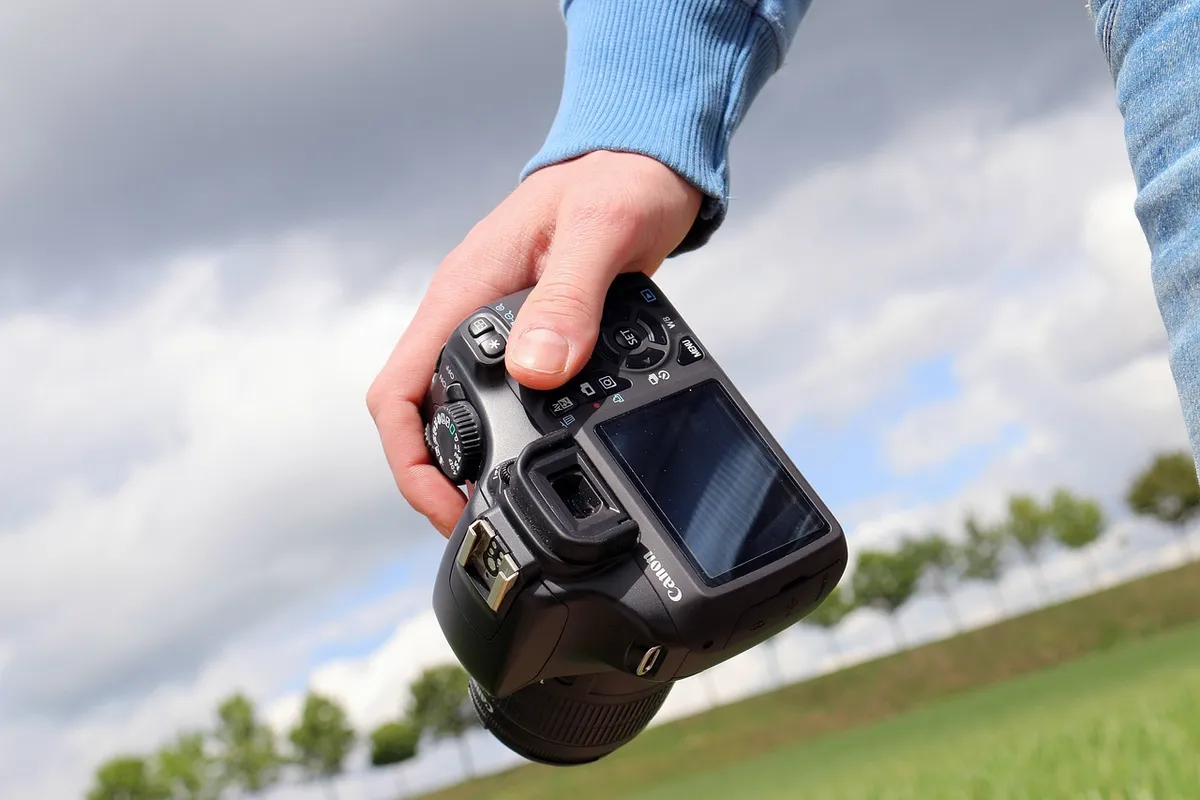
I noticed that while some items allow for additional coupon stacking, others have strict pricing rules.
For example, a Canon EOS R50 Double Zoom Kit (Black) has an official price of 156,200 yen, which becomes 142,000 yen after tax-free application, though coupon eligibility may vary by store or stock.
What are the steps for choosing your camera gear?
A customer stands at a service counter, discussing the specific technical requirements of a new lens with a knowledgeable staff member. They take notes on the different price points and discount eligibility.
To ensure you make an informed decision, follow these steps:
- Define your primary use case, such as professional photography, vlogging, or casual travel. 2. Verify the tax-free eligibility for your specific situation, especially if you are a temporary visitor. 3. Check for "Manufacturer Designated Price" restrictions on specific items to see if additional coupons apply.
Always perform a final check of the item's specific rules. For instance, certain products like the Fujifilm Instax Mini Evo or Technics EAH-AZ80 are often excluded from certain 7% coupon discounts due to manufacturer pricing policies.
Is there a limitation to these savings?
A traveler looks at their receipt, noting the difference between the original price and the final amount paid after various deductions. They realize that not every item qualifies for every discount.

Certain high-end items may not allow for combined discounts. For example, the Panasonic Nanocare ULTIMATE (EH-NC50-K) is a "Manufacturer Designated Price" item and is not eligible for the 7% coupon discount.
- Understanding the 2026 camera big gear use requires balancing high-performance sensor technology with practical purchasing strategies.
- Key takeaways include recognizing the dominance of mirrorless systems, understanding tax-free eligibility for travelers, and navigating manufacturer pricing restrictions.
- The Association (CIPA) found that mirrorless systems accounted for 69% of interchangeable lens camera shipments.
The subject here is Large camera gear use 2026.
The same subject is also called Big camera body roles.
This part also covers Camera body feature guide.
Related
What is the shift toward mirrorless technology really about?
The shift toward mirrorless technology centers on the integration of advanced sensor technology with a desire for greater portability in modern setups. This modern design allows for faster shooting speeds and more compact kits, which is a key advantage over older mechanical designs.
- The compact nature of mirrorless systems offers significant mobility for various shooting environments, contrasting with the larger bodies that provide robust ergonomics. 2. The market data from CIPA in 2022 shows that mirrorless systems captured a large share of shipments, indicating a clear industry trend.
When should I consider a larger camera body?
A larger camera body remains valuable when the specific demands of the shooting environment outweigh the benefits of miniaturization. A traveler might find that a heavier body provides the necessary stability for certain professional tasks that smaller systems cannot match effectively.
- Stability and battery life are paramount considerations in specific professional scenarios where mobility is secondary to endurance. 2. The versatility of modern sensors helps bridge the gap between older, larger bodies and modern, smaller ones, making them more efficient.




Comments 0