Sensor size guide: Beginner camera comparison
"The shift in the digital camera landscape has fundamentally changed how enthusiasts approach their first purchase."
Choosing the right gear involves understanding the transition from traditional designs to modern systems. This guide covers the market dominance of mirrorless technology, sensor size differences, and how to navigate these options during a beginner camera comparison. 1. Understanding the dominance of mirrorless systems. 2. Comparing sensor sizes and megapixel counts. 3. Navigating the transition from DSLR to mirrorless. * Recognizing market trends and availability.
Why does the market favor mirrorless systems?
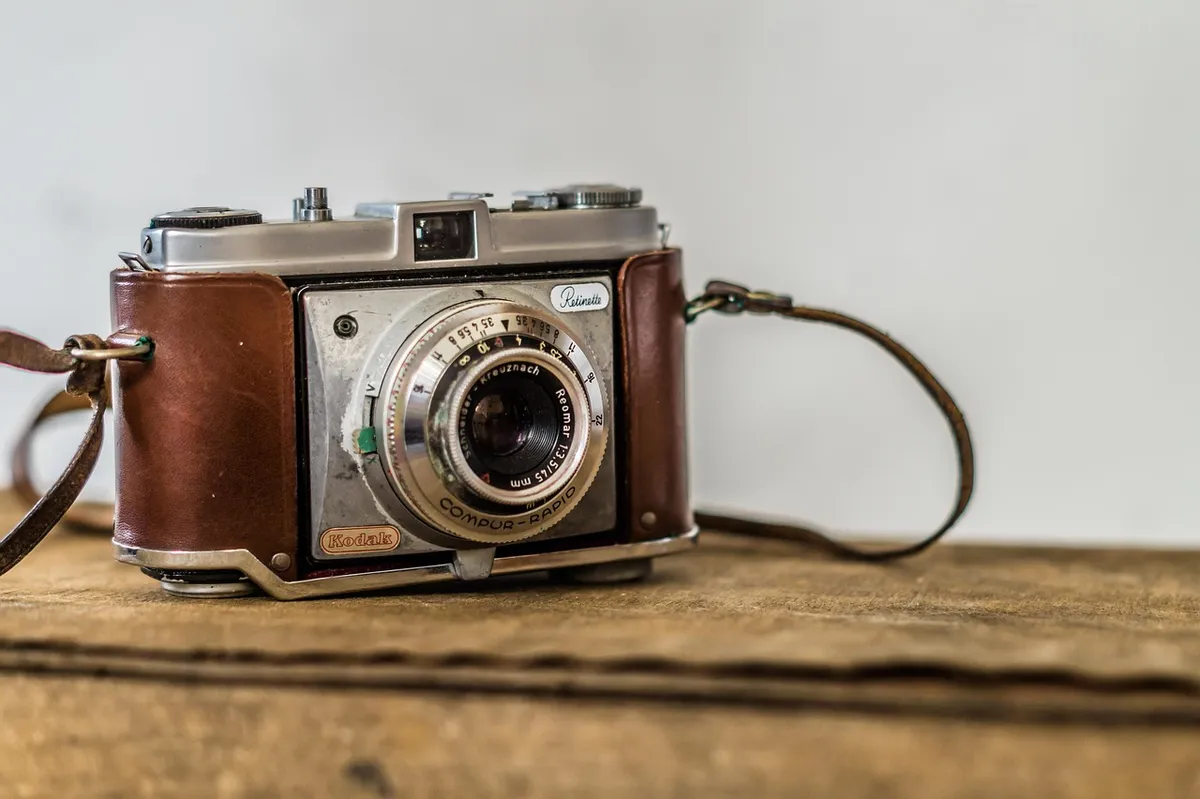
At noon in the crowded electronics store, I grip the compact body and feel the light weight of the modern sensor.
A photographer stands in a brightly lit electronics store, peering through the viewfinder of a sleek, compact body. This modern design represents the current direction of the industry.
The market has shifted heavily toward mirrorless technology. According to the Camera & Imaging Products Association (CIPA), mirrorless systems accounted for 69% of interchangeable lens camera shipments in 2022, marking a 31% increase from the previous year.
This trend indicates that newcomers often find more contemporary options in the mirrorless category.
An entry camera guide must account for these shifting preferences. While DSLRs were once the standard, the rise of mirrorless technology has changed the availability of lenses and bodies.
This beginner camera choice often depends on whether a user prefers the traditional feel of a DSLR or the portability of a mirrorless system.
How do sensor sizes affect the first camera comparison?
A user holds two different camera models, feeling the weight of the glass and the slight difference in the sensor housing. They wonder if the internal components matter as much as the external dimensions.
Sensor size is a critical factor in a first camera comparison. For example, the original Q series featured a 1/2.3 inch 12.4 megapixel CMOS sensor. In contrast, the Q7, introduced in 2013, utilized a slightly larger 1/1.7 inch CMOS sensor while maintaining the same megapixel count.
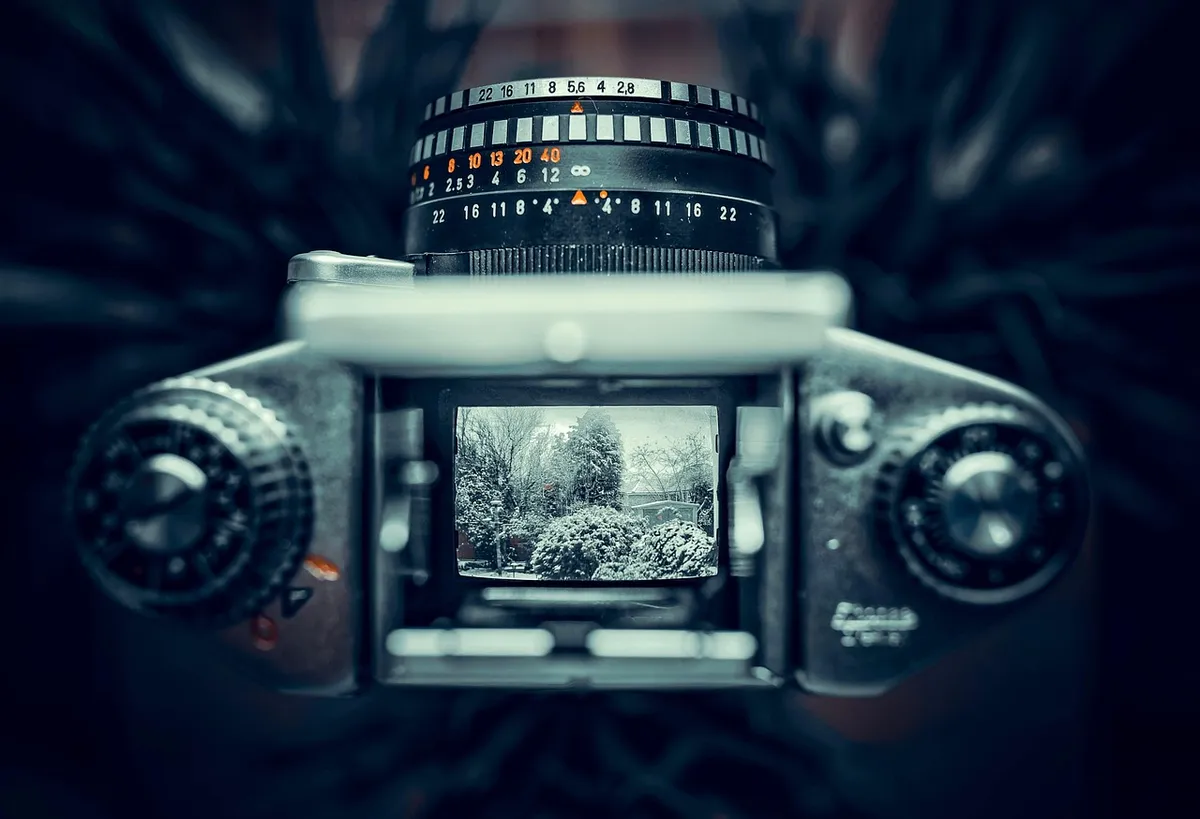
Understanding these dimensions helps when evaluating an entry camera guide. A larger sensor can offer different performance characteristics even when the megapixel count remains identical.
This aspect of a beginner camera choice requires looking beyond just the resolution numbers to understand how the sensor impacts image quality.
What should I know about the transition from DSLR to mirrorless?
At dusk in my home office, I set down the heavy DSLR and reach for the slim mirrorless body, feeling its smooth sensor mount.
A photographer looks at an older DSLR sitting on a desk next to a brand-new mirrorless camera. The difference in size and the presence of a mirror mechanism highlight the technological gap.
The industry's evolution shows that even major manufacturers transitioned their strategies. Canon was one of the last major DSLR manufacturers to announce its own mirrorless line, introducing the Canon EOS M in 2012. This model featured an APS-C sensor and an 18 mm registration distance.
Navigating a first camera comparison often means deciding between these two eras. While DSLRs offer a familiar mechanical feel, mirrorless systems provide a more compact alternative.
This beginner camera choice involves weighing the legacy of established brands against the innovation of newer designs.
How do market trends influence my beginner camera choice?
An investor watches a graph showing the rise and fall of different camera technologies over several years. The lines fluctuate, reflecting the changing tastes of consumers globally.
Market data shows that while the overall camera market might face downward trends, specific segments can grow. For instance, mirrorless sales in the Japanese market saw an increase of about 12 percent during certain periods of decline.
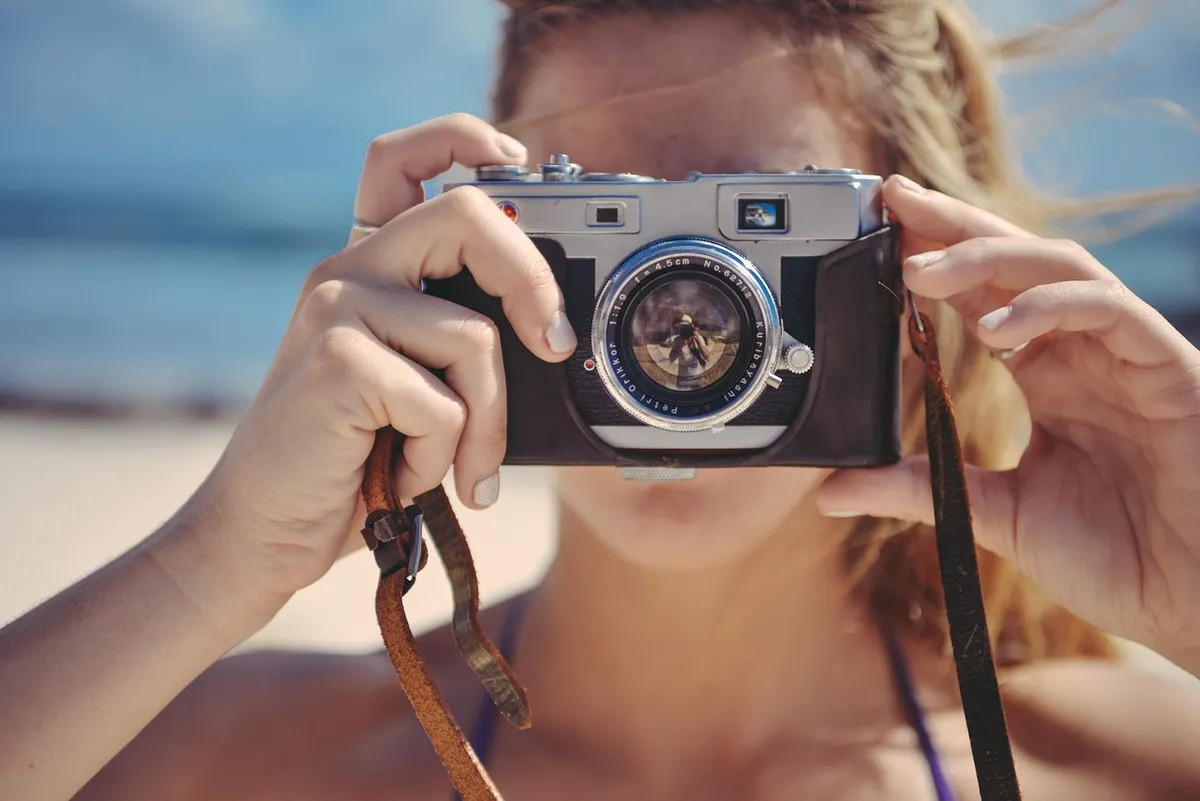
These shifts influence what models are stocked in stores and what accessories are available.
A newcomer camera needs to be compatible with current trends to ensure longevity. When performing a beginner camera comparison, it is important to note that the APS-C sensor segment is projected to retain a substantial 47.2% share of the mirrorless camera market.
This suggests that choosing an APS-C system remains a viable long-term option.
What are the practical steps for selecting a camera?
A shopper sits at a table with a notebook, listing the specifications of three different models side-by-side. They are carefully checking the sensor sizes and the brand reliability.
To move forward with a selection, follow these steps:
- Identify your primary use case, such as travel or portrait photography, to determine if sensor size or portability is more important. 2. Compare the sensor dimensions and megapixel counts of the models you are considering. 3. Check the availability of lenses and the manufacturer's history with mirrorless technology.
Once these steps are complete, perform a final check of your budget and the physical ergonomics of the camera. This ensures that the technical specifications match your personal comfort and financial limits.
How do I handle a beginner camera comparison with different sensor types?
A person holds a professional-grade camera and a compact point-and-shoot, noting how the sensor size affects the grip. The tactile difference is immediate and clear.
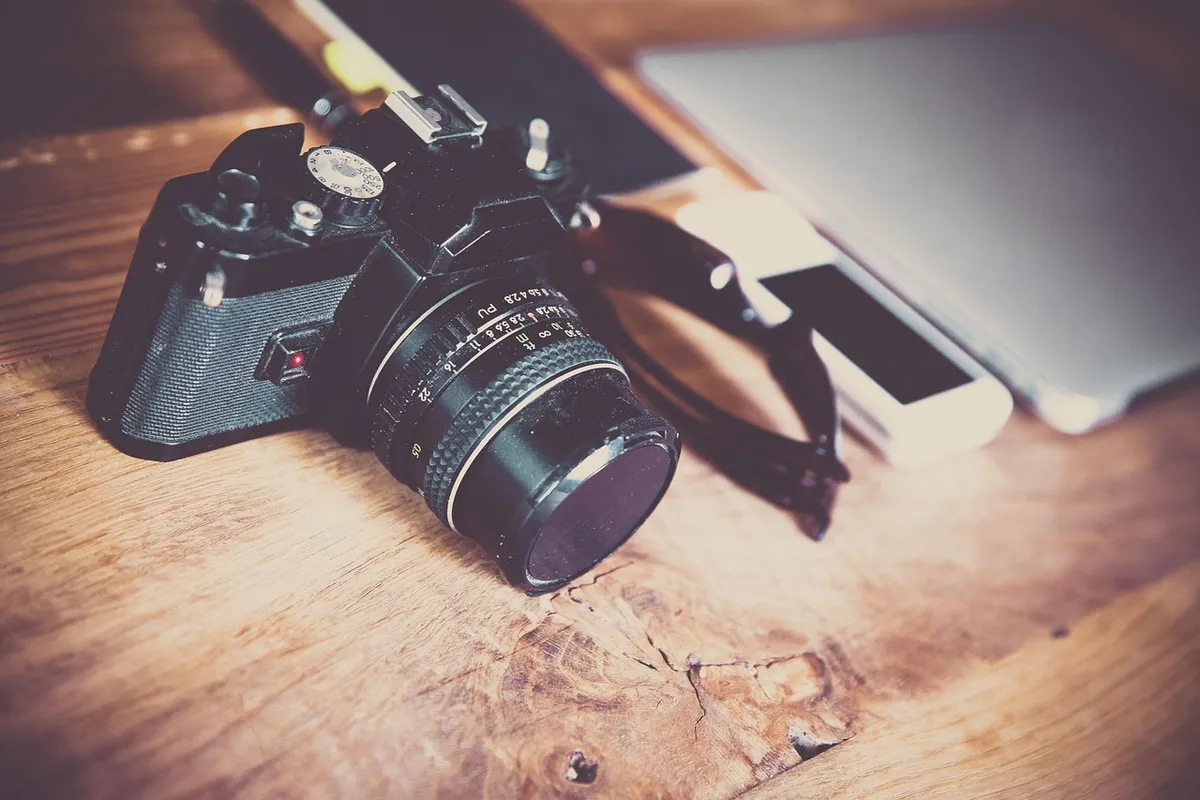
When you are faced with different sensor types, you must consider the trade-offs in size and performance. A smaller sensor, like the 1/2.3 inch used in the original Q series, allows for much more compact devices.
However, a larger 1/1.7 inch sensor, like that in the Q7, provides a different imaging experience despite having the same 12.4 megapixel count.
This is a common part of any newcomer camera needs assessment. You cannot simply look at the megapixel count to judge the quality of the sensor. Instead, you must evaluate how the physical size of the sensor relates to your specific photography goals.
This part also covers Best first camera body.
This part also covers What to buy first.
This part also covers Camera buying basics.
Best first camera body
Related


Comments 0