How to select your gear through a practical guide
"The right gear transforms a simple moment into a lasting story, but the right choice depends entirely on your specific environment and creative goals."
Finding a suitable vlog camera requires balancing portability, image quality, and ease of use for on-the-go recording. This guide helps you navigate essential features like sensor size and stabilization to ensure you pick the right tool for your content.
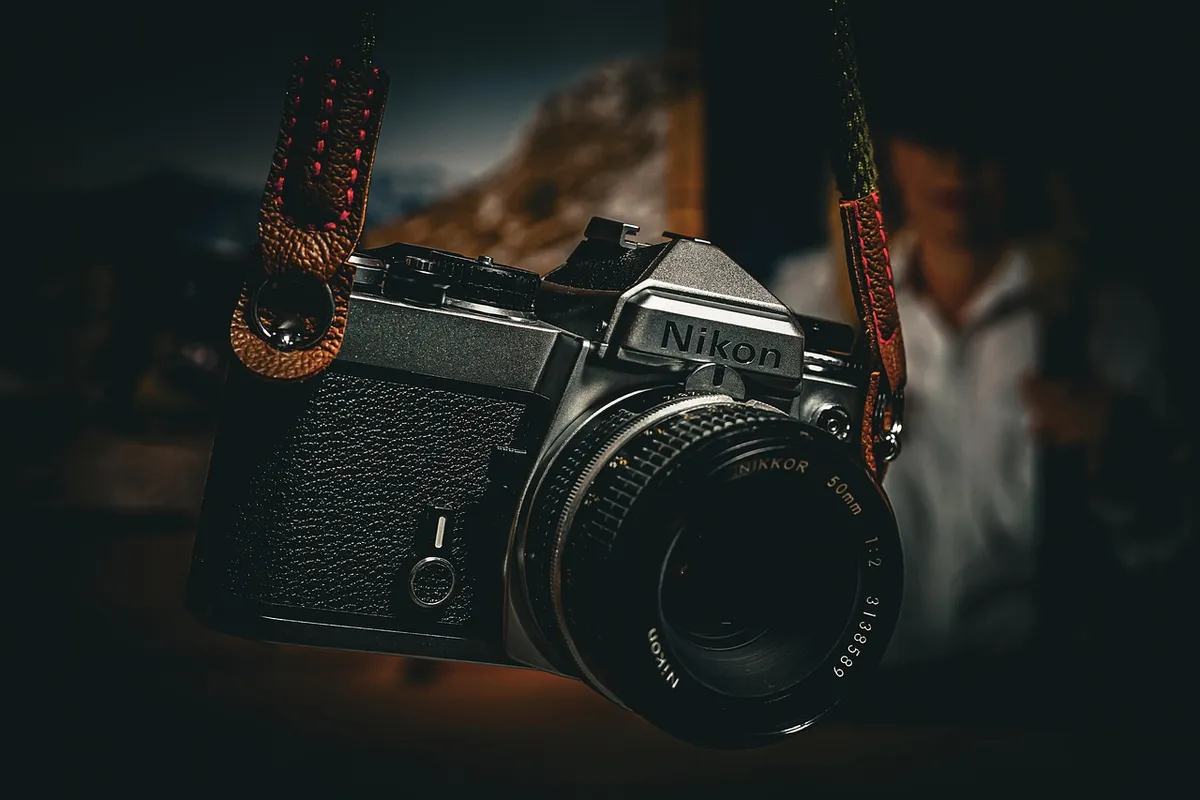
Key takeaways: * Prioritize portability for travel-heavy vlogging. * Consider sensor size for professional-looking depth of field. * Match stabilization features to your shooting style.
How do you choose a vlog camera for 2026?
A traveler stands on a windy pier, adjusting the grip of a compact camera while checking the screen brightness. Selecting the best vlog camera 2026 involves evaluating how the hardware handles varying light and movement.
The digital camera for vlogging must handle autofocus reliably to keep your face sharp while you move. You should also look for a flip-out screen, which is essential for framing yourself during solo shoots.
When evaluating new vlog gear 2026, portability remains a critical factor because heavy equipment often ends up left at home. A lightweight body allows for longer shooting sessions without fatigue.
Weight and battery life are the primary constraints for mobile creators. If a device is too heavy, it becomes a burden during long walks through city streets.
- Define your primary shooting environment.
- Determine your necessary mobility level.
- Set a realistic budget for the body and lenses.
What makes a vlog camera the best in 2026? Vlog camera guide 2026 As the sun sets over the pier, I squint at the bright screen to select the perfect settings for my shot.
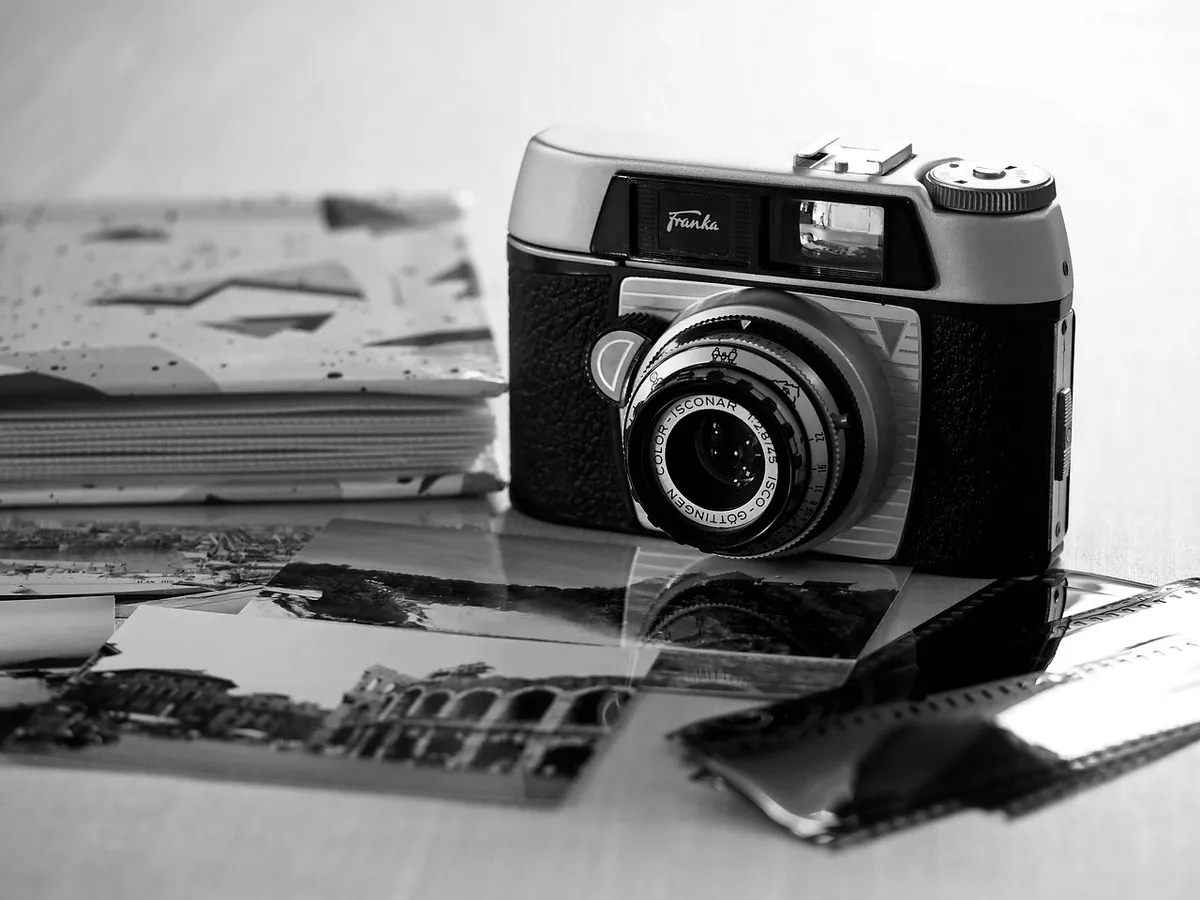
A creator sits at a wooden desk, carefully sliding a fresh memory card into a sleek camera body. Understanding top camera models 2026 requires looking beyond basic resolution to more nuanced technical capabilities.
Effective video making camera selection depends on internal stabilization and microphone input quality. High-quality built-in microphones or a dedicated mic jack allow for clear audio capture without bulky external setups.
Budget vs high end gear decisions often come down to the sensor size. While larger sensors provide better low-light performance, they often require larger lenses that can hinder mobility.
Managing the balance between sensor size and weight is the main challenge. I once spent an entire afternoon trying to decide if a larger lens was worth the extra weight in my backpack.
In this sequence, the second step is the most extensive.
How to select your gear through a practical guide
I grip the heavy lens in my workshop, pausing to select the right tool for my upcoming journey.
A person holds two different camera models, comparing their weight and grip ergonomics side by side. Following a systematic approach helps narrow down the options effectively.
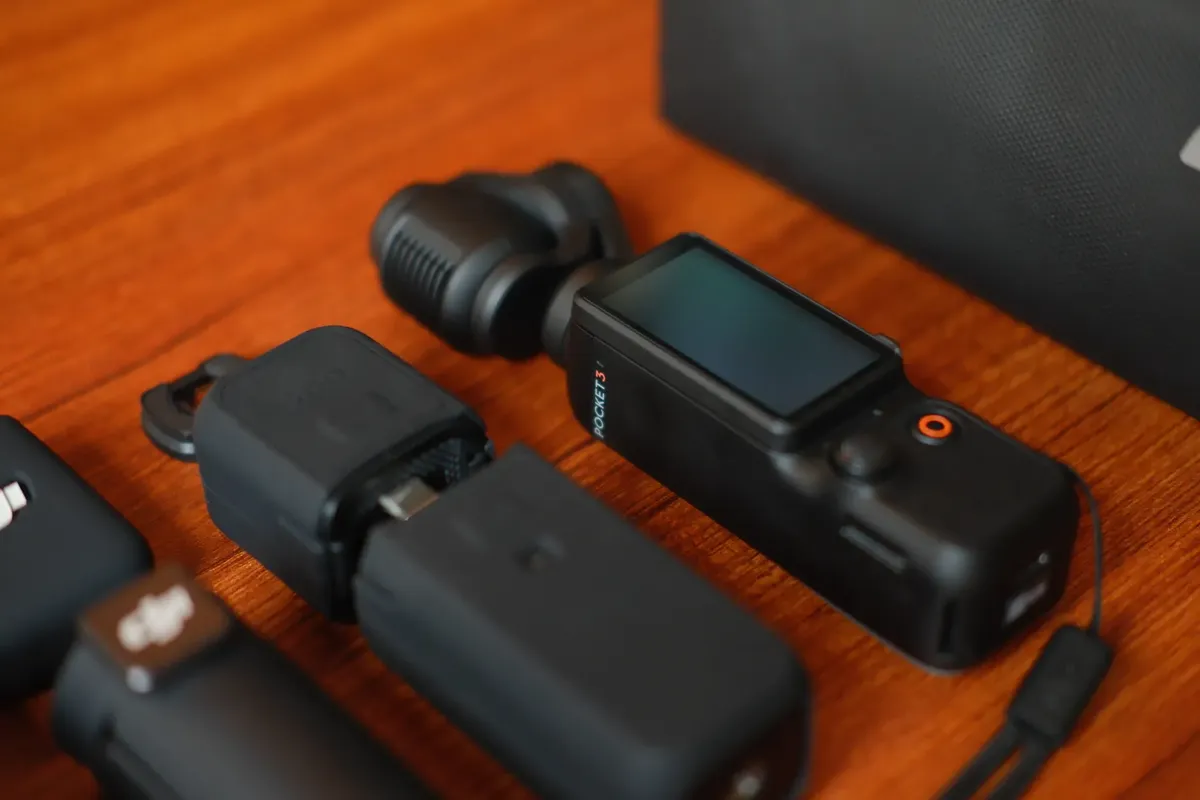
- Identify your primary shooting environment, such as indoor studios or outdoor travel. 2. Determine your required level of autofocus speed and background blur. 3. Check the availability of compatible accessories like tripods or extra batteries.
Always perform a final check by testing the menu interface and button layout. A complicated menu can slow down your creative flow during spontaneous moments.
What features should I look for in a vlogging camera? A filmmaker walks through a crowded park, keeping a steady hand on a camera mounted on a small tripod. Selecting the right equipment means understanding how specific hardware specs translate to real-world usage.
The aspect ratio and screen flexibility are vital for social media creators who switch between vertical and horizontal formats. A versatile screen ensures you can monitor your shot from any angle.
Connection capabilities, such as wireless file transfer to a smartphone, are also essential for quick editing. This allows you to upload content almost immediately after filming.
The ability to transfer files wirelessly is a significant time-saver. However, high-resolution video files can be difficult to manage on mobile devices without significant storage.
Comparison of vlog camera categories
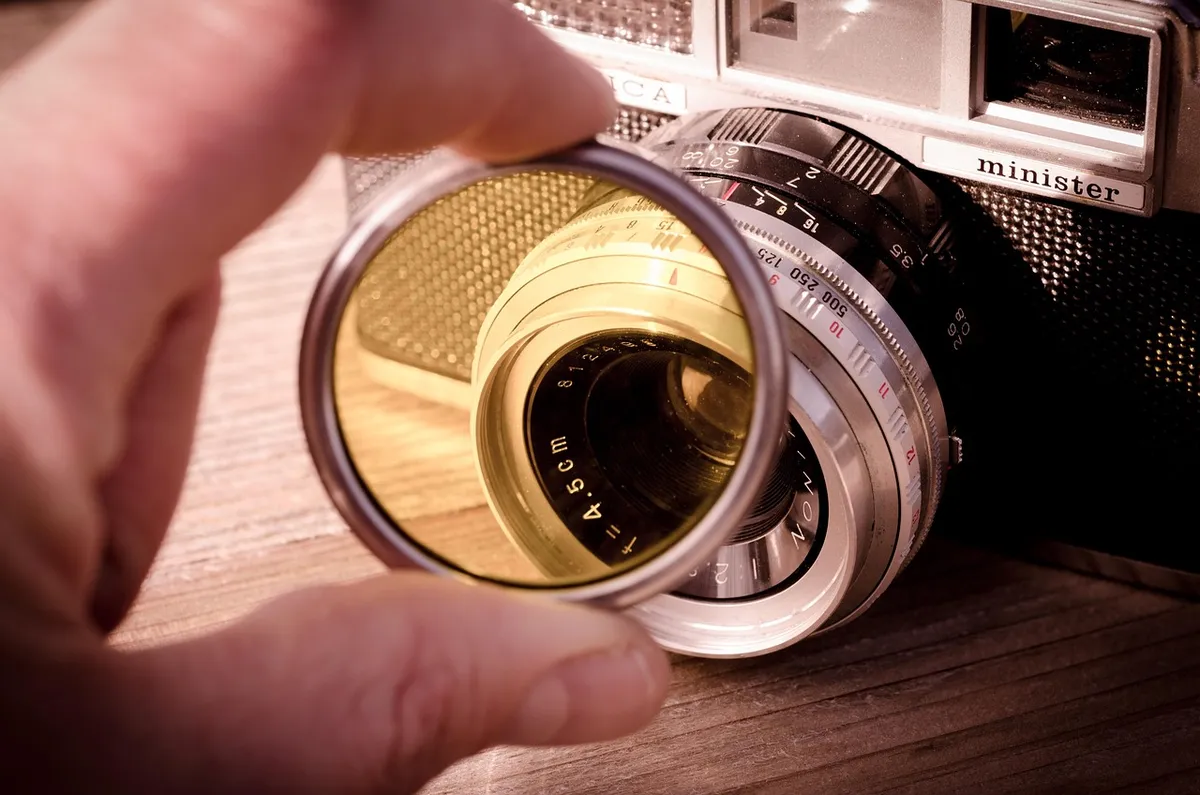
A photographer lays out a variety of lenses and camera bodies on a clean white table. Comparing different types of gear helps clarify which category suits your specific needs.
| Feature Category | Compact/High-end | Mirrorless/DSLR |
|---|---|---|
| Portability | High | Moderate |
| Image Quality | Good | Excellent |
Choosing between these depends on your willingness to carry extra weight. A compact camera is much easier to carry all day, whereas a mirrorless system offers more professional control.
The subject here is Vlog camera guide 2026.
This part also covers Key features to check.
Top camera models 2026
Related
When is the right gear most critical?
The right gear becomes most critical when the spontaneous moment you wish to capture demands high fidelity across diverse conditions. If your goal involves capturing subtle nuances of light or movement, the hardware choice matters immensely.
A compact camera, while excellent for casual use, might struggle to render the depth achievable with a larger sensor in challenging lighting scenarios. Therefore, the right gear must match the intended artistic outcome.
How does shooting style influence equipment needs?
If your shooting style involves constant travel and unpredictable environments, portability becomes the paramount concern for the right gear.
Conversely, if your shoots are controlled within a studio setting, you have more latitude to prioritize image quality through larger sensors and heavier bodies. The balance between these two extremes defines the necessary compromises in your chosen equipment.
What if the environment is unpredictable?
If your shooting environment shifts between controlled studio settings and rugged outdoor adventures, the right gear must offer adaptability. A system capable of handling both controlled setups and unpredictable locations requires a middle ground in its design compromises.
This middle ground balances the need for high-end performance with the necessity of remaining mobile.
When the scene presents unknown variables, the ability of the camera to perform across various conditions becomes paramount. This means the hardware must manage variable light levels and unexpected movements without significant degradation in the final captured image.
The right gear allows the creator to maintain visual integrity regardless of the setting's inherent challenges.
For instance, a sudden shift from a brightly lit studio to a low-light outdoor scene tests the sensor's capability. A camera with a larger sensor handles this transition more gracefully than a smaller, less capable unit, preserving detail when the light drops suddenly.


Comments 0