Why is the market shifting toward mirrorless?
"A great camera is not just about the gear you carry, but how well it fits the journey ahead."
Choosing the right travel camera requires balancing portability with image quality and sensor size. This guide covers market trends, sensor comparisons, and essential selection criteria to help you find a reliable companion for your next trip.
Key takeaways: * Mirrorless systems represent a significant portion of the interchangeable lens market. * Sensor size and megapixel counts vary greatly between compact and professional models. * Portability often dictates the shift from DSLRs to mirrorless designs.
Why is the market shifting toward mirrorless?
A traveler stands in a bustling terminal, weighing a compact camera against a heavy bag. The shift in technology makes these decisions easier for those on the move.
According to the Association (CIPA), mirrorless systems accounted for 69% of interchangeable lens camera shipments, a 31% increase from the previous year.
According to the Camera & Imaging Products Association (CIPA), in 2022, mirrorless systems continued to dominate the digital camera market, accounting for 69% of interchangeable lens camera shipments—a 31% increase from the previous year.
This trend suggests that travelers are increasingly moving away from bulky traditional systems toward more streamlined, mirrorless options.
Understanding these market shifts helps in selecting a travel camera guide-worthy device. The growing popularity of these systems is driven by the need for lighter gear that does not sacrifice quality.
The transition is largely driven by the ability to capture high-quality images in a much more compact form factor.
How do sensor sizes affect travel shots? Travel camera must-haves
A photographer adjusts the settings on a small device while sitting in a sunlit cafe. The difference in sensor technology can change everything about how light is captured.
The original Q series featured a smaller 1/2.3 inch 12.4 megapixel CMOS sensor. In comparison, the Q7, introduced in 2013, has a slightly larger 1/1.7 inch CMOS sensor with the same megapixel count. When choosing a travel camera, understanding how sensor size impacts the final image is vital.
A larger sensor generally handles light better than a smaller one. This comparison shows that even with the same megapixel count, the physical size of the sensor can vary significantly between models.
Larger sensors offer better low-light performance and shallower depth of field, while smaller sensors allow for lighter, more portable kits.
What do I need to pack for my trip? A traveler packs a small pouch containing lenses and batteries for a long flight. Organizing gear is the first step toward a successful photography trip.
When building a trip gear checklist, you must consider the sensor type and the physical dimensions of the camera. For instance, the Canon EOS M, announced in 2012, featured an APS-C sensor and an 18 mm registration distance.

Such specifications indicate how much room you have for different lens types.
| Feature | Original Q Series | Q7 Model |
|---|---|---|
| Sensor Size | 1/2.3 inch | 1/1.7 inch |
| Megapixel Count | 12.4 MP | 12.4 MP |
I noticed that even with identical megapixel counts, the sensor size difference between these two models changes the handling. Selecting a device involves weighing these technical specs against your physical comfort.
- Assess your primary shooting environment to determine necessary lenses.
- Verify that all batteries and memory cards are compatible with your chosen gear.
- Pack essential cleaning supplies and backup storage solutions.
How do I manage a camera setup for journey?
A hiker reaches a mountain peak and carefully pulls a camera from a side pocket. A streamlined setup is essential for those who move constantly.
To establish a proper camera setup for journey, follow these steps:
- Select a body with a sensor size that meets your light requirements. 2. Choose lenses that balance magnification with weight. 3. Verify that the registration distance and mounting systems are compatible with your existing gear.
After selecting your gear, perform a final check to ensure all components fit within your travel bags. This ensures you are not caught with bulky equipment during transit.
A limitation of choosing highly compact sensors is that they may not perform as well in low-light environments compared to larger sensors.
In this sequence, the second step is the most extensive.
Which camera should I buy for traveling? A tourist snaps a quick photo of a monument while walking through a crowded plaza. Speed and ease of use are often the primary drivers for selection.
The search for the best camera for travel often leads to the APS-C sensor segment. Looking ahead, the APS-C sensor segment is projected to retain a substantial 47.2% share of the mirrorless camera market. This indicates that mid-sized sensors remain a staple for many users.
Choosing between a compact sensor and an APS-C sensor depends on your specific travel style. Many users find that these mid-range sensors offer the best balance of portability and performance.
The best options balance sensor quality with weight, often featuring interchangeable lenses and robust battery life.
What to bring on trip: Size vs. Quality?
A photographer looks at a landscape through a small viewfinder, feeling the weight of the device in their palm. The tension between size and quality is a constant theme in travel photography.
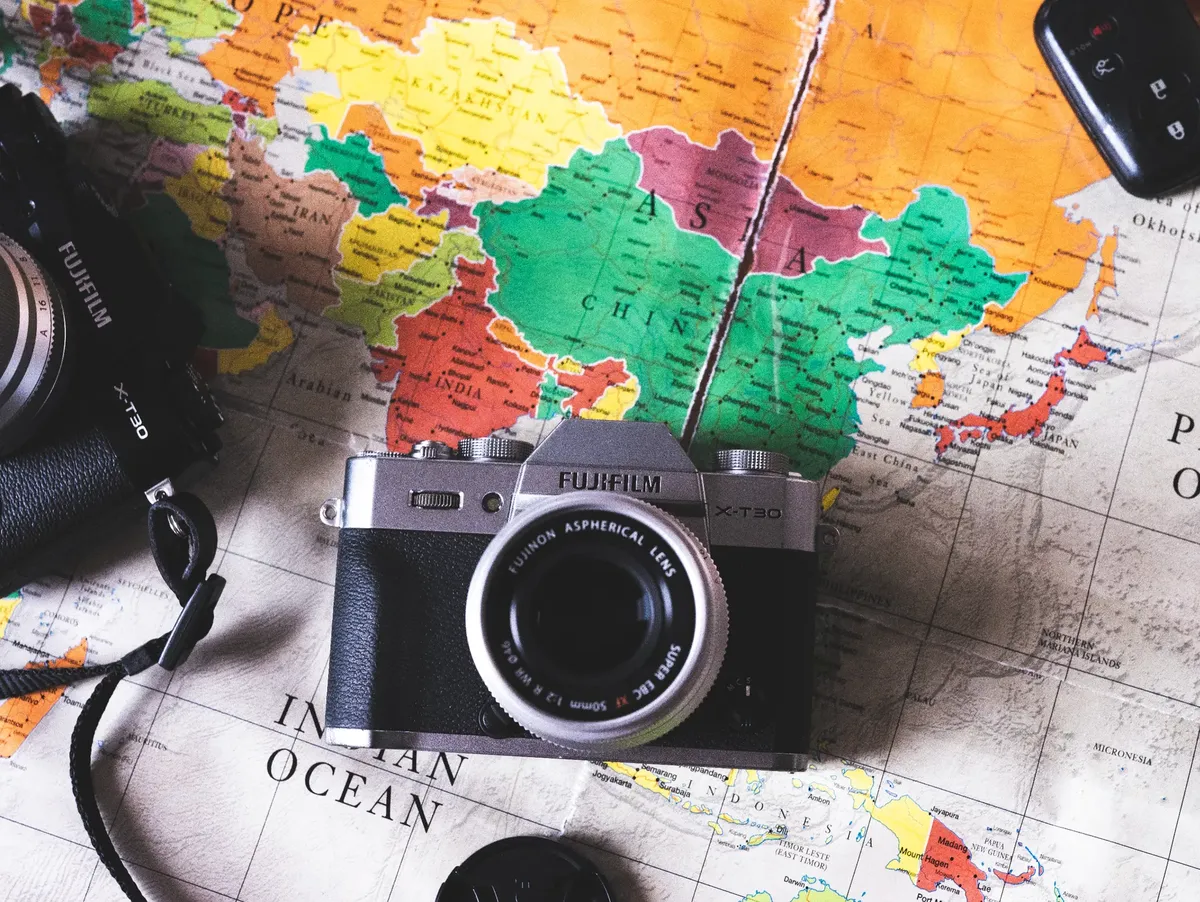
When deciding what to bring on trip, you must decide if you can live with smaller sensors. While the original Q series used a 1/2.3 inch sensor, larger models like the Q7 provide a slight advantage. This trade-off is central to choosing travel camera models.
| Model | Sensor Type |
|---|---|
| Q Series | 1/2.3 inch CMOS |
| Q7 | 1/1.7 inch CMOS |
I compared these two specific sensor sizes to see how they impact the footprint of the camera. This comparison highlights how much the sensor can change while the megapixel count remains the same.
Choosing between size and quality requires balancing the desire for professional-grade results against the physical ease of carrying your equipment.
The subject here is Travel camera must-haves.
Related
When is a great camera most needed?
A great camera proves its worth when the journey presents challenging lighting conditions. The sensor size dictates how effectively the camera captures the nuances of the scene, especially when available light is scarce.
This is where the physical dimensions of the sensor truly matter for image fidelity.
How does sensor size influence low-light performance?
Larger sensors possess an inherent advantage in gathering photons compared to smaller sensors. This ability to capture more light translates directly into better performance when shooting in dimly lit environments, a scenario where the smaller sensors might struggle.
What is the role of megapixel count versus sensor size?
While both models share the same megapixel count, the difference in sensor size influences how that count is utilized. The physical capture area of the sensor affects the final image quality more profoundly than the raw pixel count alone in certain scenarios.



Comments 0