Action cam weight guide: Why mass matters for athletes
"Weight determines whether a camera stays in your hand or ends up at the bottom of a canyon."
Weight is the most critical factor in selecting an action cam because it directly dictates how long you can hold the device and how much fatigue you endure during intense movement.
For athletes, travelers, or extreme adventurers, a lighter unit enables longer sessions and more stable footage, though it may require trade-offs in battery life or stabilization features. This guide helps you understand how to prioritize mass based on your specific activity.
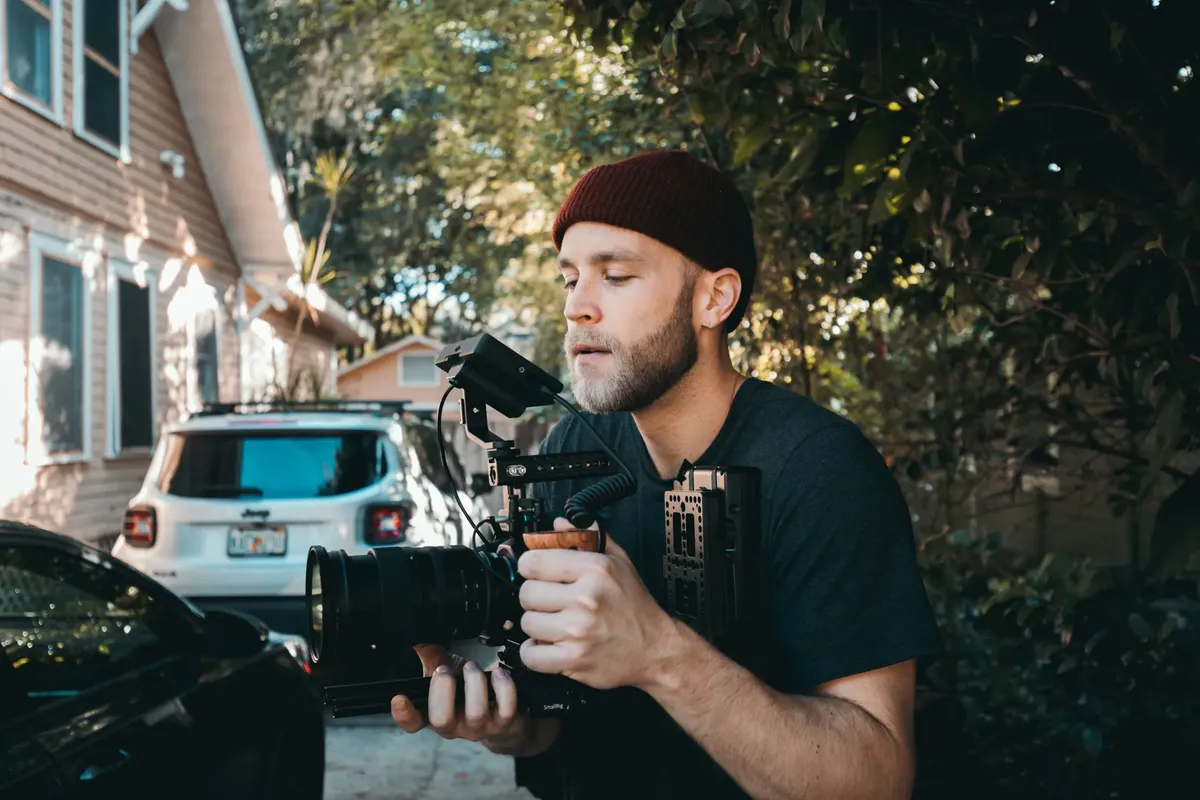
* Prioritize low mass for high-intensity sports. * Consider battery capacity alongside total weight. * Assess mounting stability for heavier units.
Why does an action cam weight guide matter for athletes?
At dawn on the granite cliff, the climber feels a heavy tug against their helmet during every sudden action.
A climber reaches for a jagged granite edge, feeling the slight tug of a camera mounted to their helmet. The sensation of weight shifts with every movement, turning a minor annoyance into a distraction during a difficult ascent.
For anyone engaging in high-velocity or high-impact movement, the mass of the gear dictates the quality of the experience.
Camera weight matters because every extra ounce increases the centrifugal force during spins and rapid directional changes. If a device is too heavy, the mounting system may fail or cause physical discomfort during prolonged use.
When choosing an action cam by weight, you must account for the mounting hardware and the user's physical stamina.
In this sequence, the first step is the most critical.
Can a lightweight action camera handle intense movement?
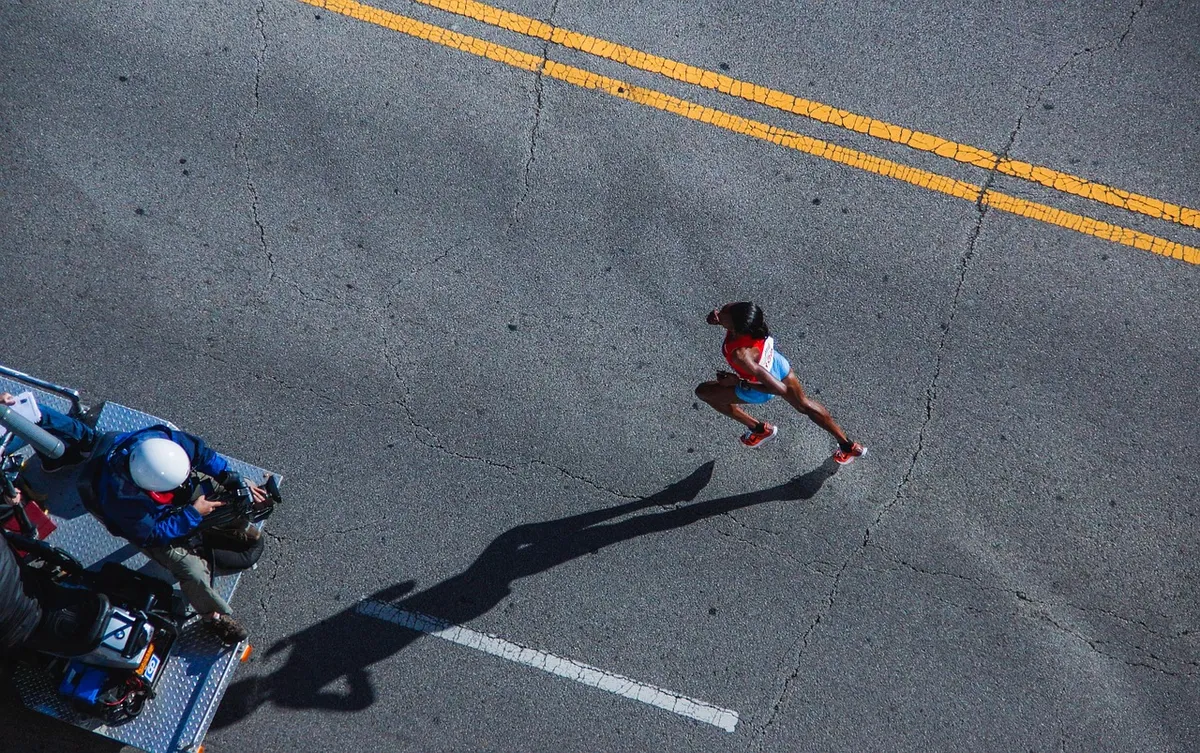
A mountain biker leans hard into a sharp corner, the wind rushing past as the camera stays steady on the chest mount. The rider barely notices the device, allowing them to focus entirely on the trail ahead.
Using a lightweight action camera ensures that the gear does not interfere with the natural biomechanics of the athlete.
Selecting the best action cam for sport requires balancing the need for durability with the necessity of a low profile. A smaller, lighter unit reduces the "pendulum effect" on helmet mounts, which helps maintain smoother video.
This approach to purpose-based camera selection ensures that the equipment supports the activity rather than hindering it.
How do you select gear using travel camera weight tips?
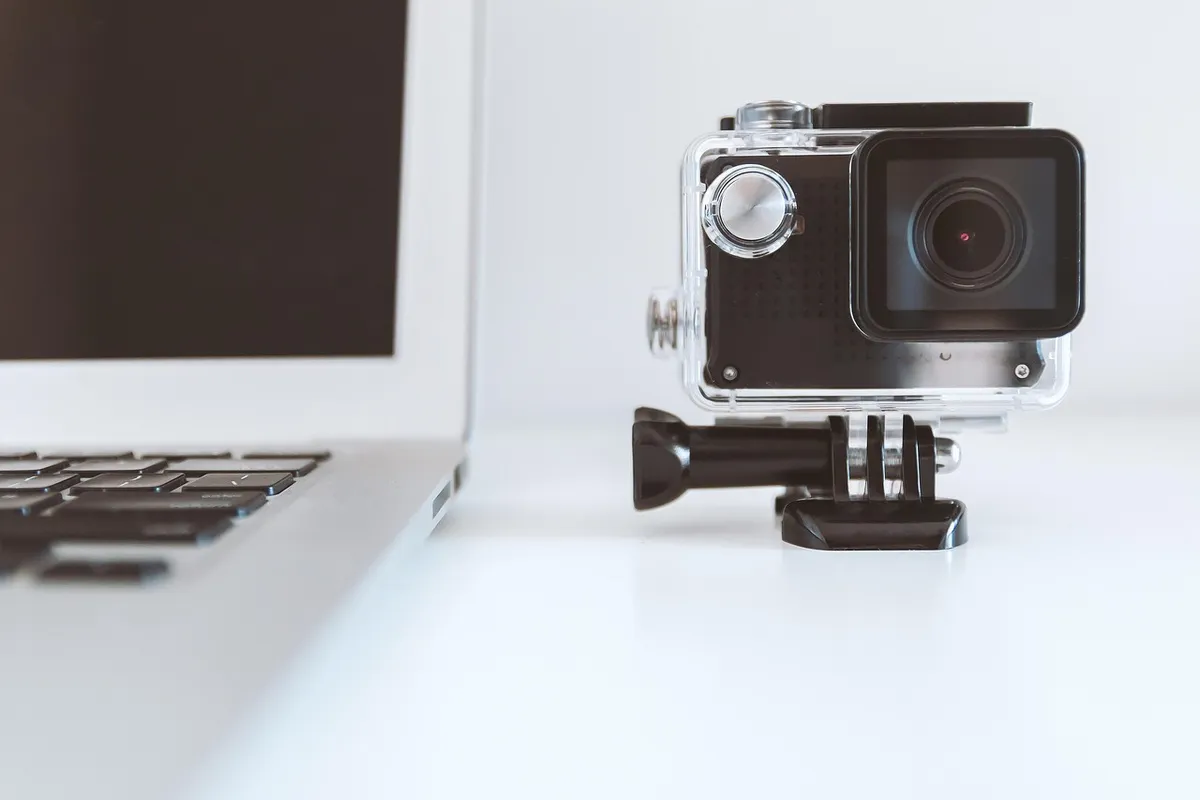
A traveler walks through a crowded terminal, glancing at a small device tucked into a jacket pocket. The gear feels almost non-existent, making it easy to transition from a plane to a walking tour without feeling burdened.
Effective travel camera weight tips focus on minimizing the total kit weight, including extra batteries and mounts.
When comparing action cam gear, travelers should look at the combined weight of the camera and its essential accessories. A heavy camera might require a heavy tripod, which complicates packing and mobility.
I once spent an entire afternoon trying to stabilize a heavy unit on a shaky handheld grip, realizing too late that a lighter option would have been much more efficient.
What are the steps for choosing the right weight?
A person sits at a desk, spreading out various cameras and mounts to compare their physical presence. They pick up each item, feeling the center of gravity and the texture of the casing.
Following a structured approach prevents the mistake of buying a camera that is too cumbersome for the intended use.
- Define your primary activity, such as running, cycling, or stationary vlogging, to determine the maximum tolerable weight. 2. Calculate the total kit weight by adding the camera, the chosen mounting system, and at least one spare battery. 3. Test the mounting stability by simulating the vibrations and impacts typical of your specific environment.
Perform a final check to ensure the mounting hardware can support the device's mass without slipping during high-impact movement.
- Assess your typical activity level.
- Compare the weight of the camera against your existing mounts.
- Factor in the total weight of the battery and accessories.
Is there a difference between small and large units?
A technician places two different models on a digital scale, watching the numbers flicker. One unit is compact and sleek, while the other is larger with more protruding buttons and lens housing. The difference in mass is immediately apparent to the touch.
| Feature | Compact Model | Pro Model |
|---|---|---|
| Primary Focus | Portability | Feature Density |
| Mass Impact | Low Fatigue | High Fatigue |
The compact model is ideal for those who prioritize ease of carry, whereas the larger model offers more specialized controls. Choosing between these depends on whether you value a low-profile setup or a more robust, feature-heavy device.
The subject here is Action cam weight guide.
Choosing action cam by weight
Related
How does weight influence mounting hardware selection?
- The mounting system must be assessed for its capacity to support the camera's mass. 2. If the camera's weight is substantial, the chosen hardware needs a greater structural integrity to prevent slippage. 3. A lighter unit allows for simpler, less robust mounting solutions, which can reduce overall kit weight.
The condition of the mounting hardware is directly related to the camera's weight; a heavier camera places greater stress on any attachment point. When considering the weight, one must ensure the hardware itself does not become a limiting factor in the activity.
What conditions necessitate a careful weight assessment?
The weight assessment becomes crucial when the activity involves sudden, unpredictable shifts in momentum. For instance, activities with high-impact jolts demand that the camera's weight be manageable by the mounting apparatus. A heavy unit under extreme vibration risks detachment.
When comparing the weight of the camera to the mounting method, the potential for fatigue increases with the mass. This is a condition where the user's stamina interacts with the device's weight to affect the duration of use.
Therefore, the weight must be evaluated against the expected duration of the event.
The weight of the camera dictates the required strength of the attachment points, which is a critical condition for safety. If the weight exceeds the hardware's rating, the device may fail during use. This highlights that the weight is not just a comfort issue, but a structural one.





Comments 0