Which mirrorless specs for price matter most?
"The transition from traditional DSLRs to mirrorless systems has fundamentally reshaped the landscape of digital photography, prioritizing speed and electronic precision."
Finding the right balance between cost and performance in the 2026 mirrorless value guide requires analyzing sensor technology, autofocus speed, and lens ecosystem compatibility.
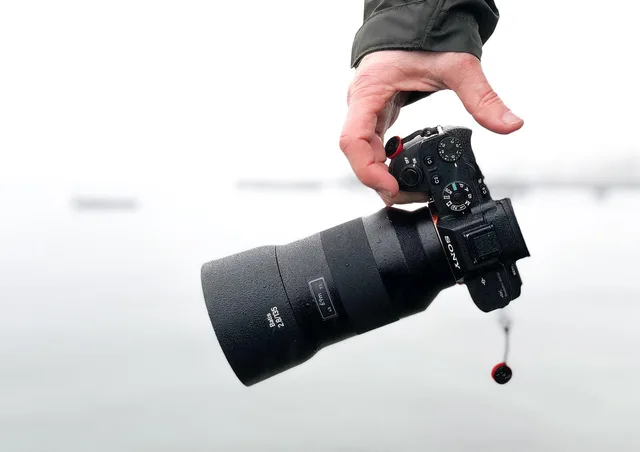
This guide helps photographers select mirrorless systems by comparing market trends and technical specifications to ensure value for specific shooting needs. You should prioritize autofocus reliability and weight for travel, though high-end video features may limit your budget. 1. Analyze sensor size and pixel density against your primary subject matter. 2. Evaluate the total cost of ownership, including lens ecosystems. 3. Compare weight and ergonomics for field use. * Assess video capabilities like bitrates and stabilization for hybrid workflows.
How to choose 2026 camera options?
At dusk, the photographer rubs their tired eyes while staring at the sleek bodies which sit upon a cluttered desk.
A photographer sits at a cluttered desk, comparing two sleek camera bodies under a bright desk lamp. They touch the textured grip of a compact model and then feel the heavy, professional weight of a larger magnesium alloy frame.
Choosing the right 2026 mirrorless value guide entry depends on whether you prioritize portability or high-resolution output.
The decision process involves matching your specific use case to the hardware's technical ceiling. For instance, a landscape photographer needs high dynamic range and resolution, while a street photographer requires silent electronic shutters and compact dimensions.
You must determine if the upfront body cost is offset by the availability of affordable third-party lenses.
According to the Camera & Imaging Products Association (CIPA), mirrorless systems accounted for 69% of interchangeable lens camera shipments in 2022, representing a 31% increase from the previous year.
This market dominance suggests that most research, lens development, and software support are now centered on mirrorless architectures.
2026 Mirrorless Value Guide
A traveler adjusts the settings on a mirrorless camera while standing on a windy coastal cliff. The salt spray hits the lens element as they check the autofocus tracking on a moving bird.
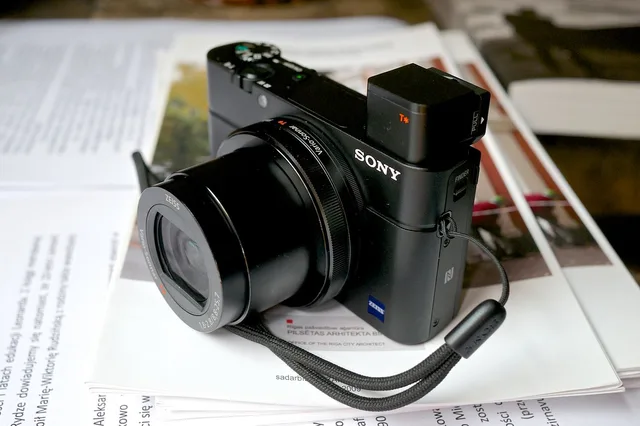
Understanding 2026 camera price performance means looking beyond the initial sticker price to the actual utility of the sensor and processor.
Value is often found in mid-range bodies that offer flagship-level autofocus algorithms. While premium models provide specialized features like high-speed computational photography, many users find that a well-balanced sensor and a robust lens mount provide better long-term utility.
A 2026 camera budget comparison should always include the cost of extra batteries and memory cards.
| Feature Category | Entry-Level Focus | Professional Focus |
|---|---|---|
| Primary Sensor | APS-C or Small Full-Frame | High-Resolution Full-Frame |
| Video Capability | 4K Standard | 8K or High Bitrate RAW |
| Build Quality | Lightweight Composite | Weather-Sealed Magnesium |
I remember testing a lightweight mirrorless setup during a weekend hike, realizing that the ease of carrying a smaller body mattered more than having the absolute highest megapixel count.
Which mirrorless specs are worth the money?
A studio technician carefully mounts a prime lens onto a camera body, checking the electronic contacts for cleanliness. The mechanical click of the mount signifies a secure connection.
Identifying the best mirrorless specs for price requires a deep dive into the autofocus system and the electronic viewfinder (EVF) resolution.
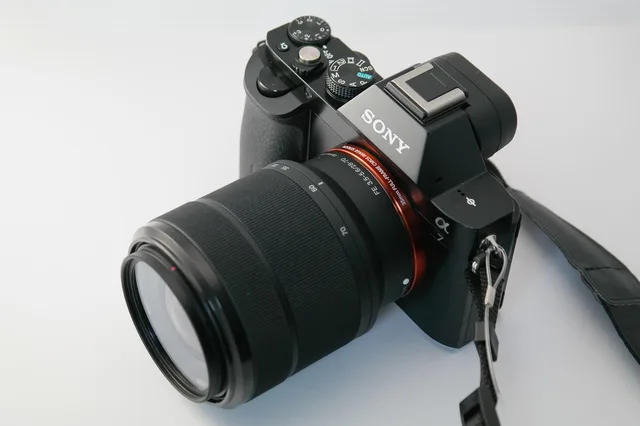
The autofocus system is the most critical component for modern mirrorless utility. Even an affordable body can perform exceptionally well if its subject recognition software is efficient.
You should look for systems that offer reliable eye-detection for humans, animals, and vehicles, as this reduces the need for expensive post-processing or re-shooting.
When looking at a 2026 mirrorless feature review, pay close attention to the "effective" resolution versus the "total" resolution. Some sensors use pixel binning to improve low-light performance, which changes how the camera performs in different environments.
A 2026 camera budget comparison should account for these functional shifts.
Evaluating the best value mirrorless 2026 models
A videographer sets up a gimbal, balancing a mirrorless camera to ensure smooth cinematic movement. They check the screen to see if the stabilization is compensating for the handheld motion.
Finding the best value mirrorless 2026 models involves weighing the trade-offs between sensor size and autofocus speed.
For vloggers, the importance of a flip-out screen and high-quality internal microphones often outweighs the need for a massive sensor. Conversely, for portrait photographers, the ability to use wide-aperture lenses on a full-frame sensor is the primary driver of value.
Your choice should be dictated by your most frequent shooting scenario.
- Identify your primary subject (e.g., moving wildlife vs. static landscapes). 2. Define your maximum budget for both the body and at least two essential lenses. 3. Test the ergonomics of the menu system and button layout to ensure intuitive operation. 4. Verify that the chosen mount has a wide selection of lenses within your price range.
Is there a 2026 camera price performance limit?
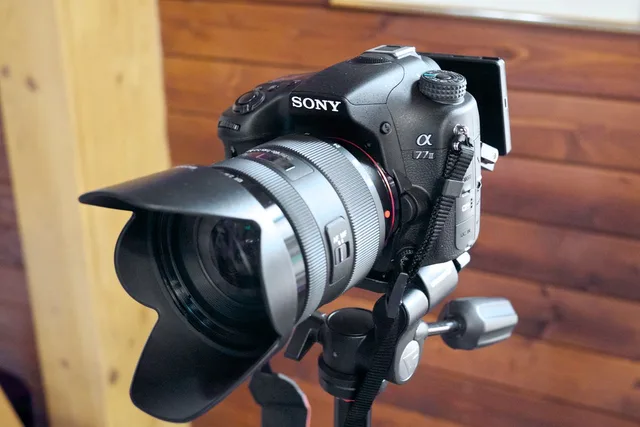
A researcher reviews a technical manual, noting the specific thermal constraints of a high-speed video sensor. The room is quiet, save for the hum of a cooling fan. Every mirrorless system faces a limitation regarding thermal management during extended high-resolution video recording.
High-performance sensors generate significant heat, especially when recording at high bitrates or frame rates. This can lead to thermal throttling or automatic shutdowns in certain environmental conditions.
While professional bodies include better heat dissipation, budget-friendly models may struggle during long shoots in warm climates.
The selection of a mirrorless system depends on balancing immediate hardware costs with the long-term utility of the lens mount and autofocus capabilities. While market trends favor mirrorless technology, users must remain aware of thermal limitations during intensive video tasks.







Comments 0