Full-Frame Mirrorless Guide: 3 Top Brands for Pro Quality
Moving from a smartphone or an entry-level camera to full-frame mirrorless is the single biggest leap you can take in image quality.
If you’ve heard photographers say, "It’s all about the sensor," they aren't exaggerating. Full-frame mirrorless cameras utilize a large sensor—matching the dimensions of traditional 35mm film—to deliver unmatched dynamic range and professional background blur.
While they represent a steeper investment in both gear and weight, they are the gold standard for anyone serious about photography or high-end video production.
* Superior Low Light & Detail: Larger sensors capture more light, significantly reducing grain (noise) in dim settings. * Professional Depth of Field: Easily achieve shallow focus to make your subjects pop against blurred backgrounds. * Brand Ecosystem Matters: Your choice isn't just the camera body; it’s the entire ecosystem of lenses and accessories. * Purpose-Driven Selection: A setup for a YouTube creator looks very different from a landscape photographer's kit.

What Exactly is Full-Frame Mirrorless? (The Sensor Secret)
When people talk about "full-frame," they aren't just using a buzzword for "expensive." They are referring to the physical surface area of the image sensor.
A full-frame sensor measures approximately 36x24mm, which is the exact footprint of a frame of 35mm film used in the analog era. According to Nikon's 2025 Technical Overview, this specific dimension allows for a wider field of view and better light gathering compared to smaller sensors.
To put this in perspective, compare it to an APS-C (crop sensor) found in many enthusiast cameras. Because the surface area is much larger, a full-frame sensor acts like a bigger bucket catching rain; it gathers more light even at the same aperture setting.
This translates to cleaner images when you're shooting at a dimly lit wedding reception or under city lights at night. Furthermore, sensor size dictates your field of view. While crop sensors can make lenses feel "longer," full-frame provides a much wider, more immersive perspective for architectural shots.
Why the Industry Shifted from DSLR to Mirrorless
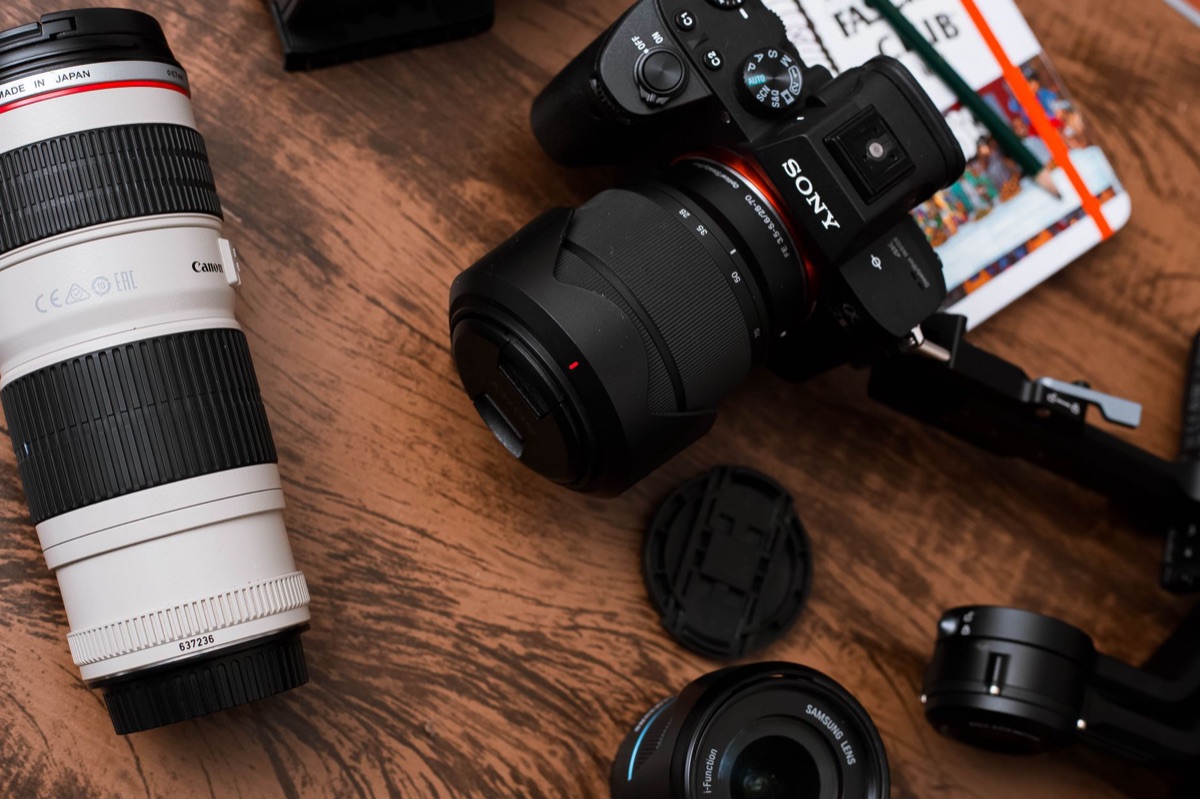
The days of heavy, clunky DSLRs are fading fast. According to CIPA's 2025 Annual Report, mirrorless cameras now command over 85% of the global camera market share, with a massive surge in demand specifically within the high-resolution full-frame segment.
The fundamental difference lies in the "mirror." A DSLR uses a physical mirror to bounce light into an optical viewfinder. Mirrorless cameras strip that mirror away, sending light directly to the sensor.
This streamlined design allows for much faster and more intelligent Autofocus (AF). Features like "Eye-AF," which locks onto a human or animal eye instantly, are only possible because of this digital architecture.
I remember testing a new mirrorless body at a local soccer tournament last month; catching a sprinting kid's eyes in mid-air was effortless compared to the struggle of manual focusing on my old DSLR.
Comparing the "Big Three" Full-Frame Brands
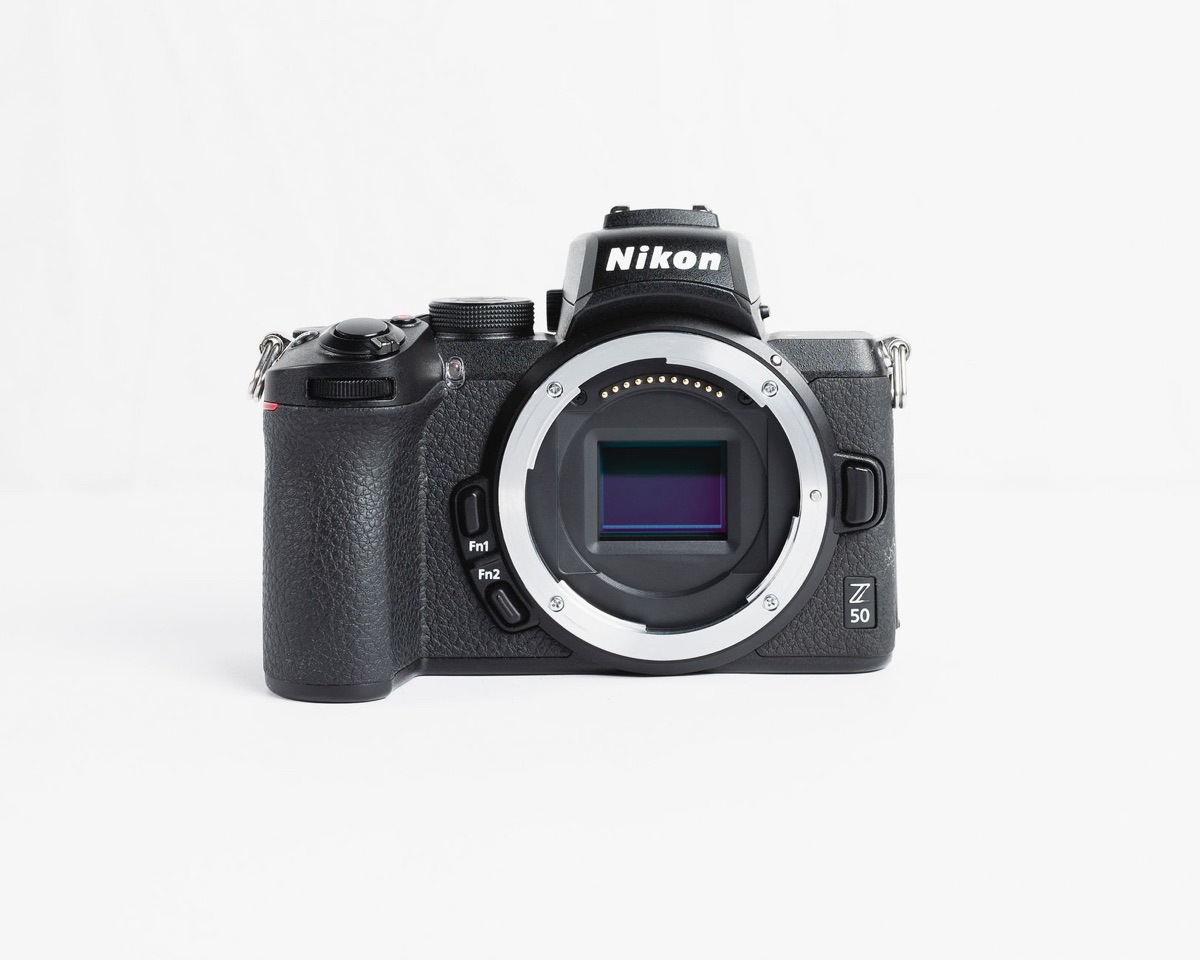
The market is currently dominated by Sony, Canon, and Nikon. Each has a distinct "personality," so choosing one depends entirely on your shooting style. According to Sony's 2026 Product Roadmap, their focus remains heavily on AI-driven autofocus and hybrid video capabilities.
1. SONY: The Tech & Lens King Sony pioneered the mirrorless revolution, and their autofocus tracking remains arguably the industry benchmark. They are a favorite for hybrid shooters due to robust features like S-Log.
Most importantly, Sony has a massive third-party lens market; brands like Sigma and Tamron offer incredible value, making it easier to build a kit on a budget.
2. CANON: Color Science & Ergonomics Canon is legendary for its "color science." Many portrait and wedding photographers swear by Canon because skin tones look natural right out of the camera.
While their RF mount lenses are optically stunning, the selection of affordable third-party lenses is currently more limited compared to Sony.
3. NIKON: Optical Precision & Build Quality Nikon has made a massive comeback with its Z-series lineup. They are the go-to for landscape and commercial photographers who demand high dynamic range.
Their color reproduction is incredibly accurate, which provides a great "canvas" for post-processing in Lightroom.
| Feature | SONY (Alpha Series) | CANON (EOS R Series) | NIKON (Z Series) |
|---|---|---|---|
| Core Strength | AF Speed & Lens Variety | Skin Tones & Ease of Use | Landscape Detail & Durability |
| Best For | Vloggers, Hybrid Creators | Weddings, Portraits | Landscapes, Commercial |
| Lens Ecosystem | Extremely Wide (Third-party) | Moderate (Mostly Canon) | Growing Rapidly |

How to Buy Your First Full-Frame Setup Without Regret
Buying into full-frame is a commitment. To avoid "buyer's remorse," follow these steps:
- Calculate the Total Cost of Ownership: Do not just look at the body price. A professional-grade lens can often cost as much as, or more than, the camera itself. Aim to allocate about 60% of your total budget toward glass (lenses).
- Identify Your Primary Subject: If you shoot fast action (sports/wildlife), prioritize Sony's AF. If you shoot people or scenery, lean toward Canon or Nikon for their color and resolution.
- The "Hand Test": Full-frame gear is heavy. Go to a local camera shop and hold the setup. A camera that feels great in the store might feel like a lead weight after four hours of hiking.
- Consider the Resale Value: Research how well your chosen brand holds its value on the used market, which is helpful if you plan to upgrade in 2027 or 2028.
However, keep in mind that full-frame isn't always the right answer. If your goal is strictly lightweight travel photography or casual daily snapshots, a high-end APS-C camera might serve you much better and save you hundreds of dollars.



Comments 0