Mirrorless Guide: Match Your Body to Your Creative Goals
Stop guessing; this is your definitive 2026 blueprint to match the right mirrorless body to your creative goals, whether you shoot stills or video.
Choosing a camera shouldn't feel like a gamble with your hard-earned money. Whether you are looking to capture cinematic travel vlogs or sharp portraits, the right tool makes the difference between a hobby you love and a heavy bag you dread.
* Mirrorless technology is the industry standard, holding a 69% market share of interchangeable lens shipments as of 2022. * Your primary output—video versus still photography—is the most important factor in your decision. * Budget dictates your starting point, but lens ecosystems dictate your long-term growth. * Match your intended use before you match a brand name.
Why is everyone switching to mirrorless?
I remember the first time I swapped my heavy, clunky DSLR for a compact mirrorless body; the sheer lightness changed how often I actually took my camera out of the house. That shift from mechanical mirrors to electronic sensors has fundamentally changed how we capture the world.
The industry has already made its choice, moving away from the bulky mirror mechanisms of the past. According to the Camera & Imaging Products Association (CIPA), mirrorless systems accounted for 69% of all interchangeable lens camera shipments in 2022, marking a 31% increase from the previous year.
This dominance is due to smaller form factors, faster autofocus, and superior video integration.
When you buy a mirrorless system, you aren't just buying a gadget; you are entering an ecosystem. Because the lenses are often larger and more specialized, you must consider how much you will want to upgrade your glass later.
Video, Stills, or Hybrid: What is your mission?
I sat in a coffee shop last week watching a creator struggle with a massive rig while a traveler nearby snapped a quick, beautiful portrait with a small prime lens. It hit me that neither was "wrong," but they were clearly shooting for different purposes.
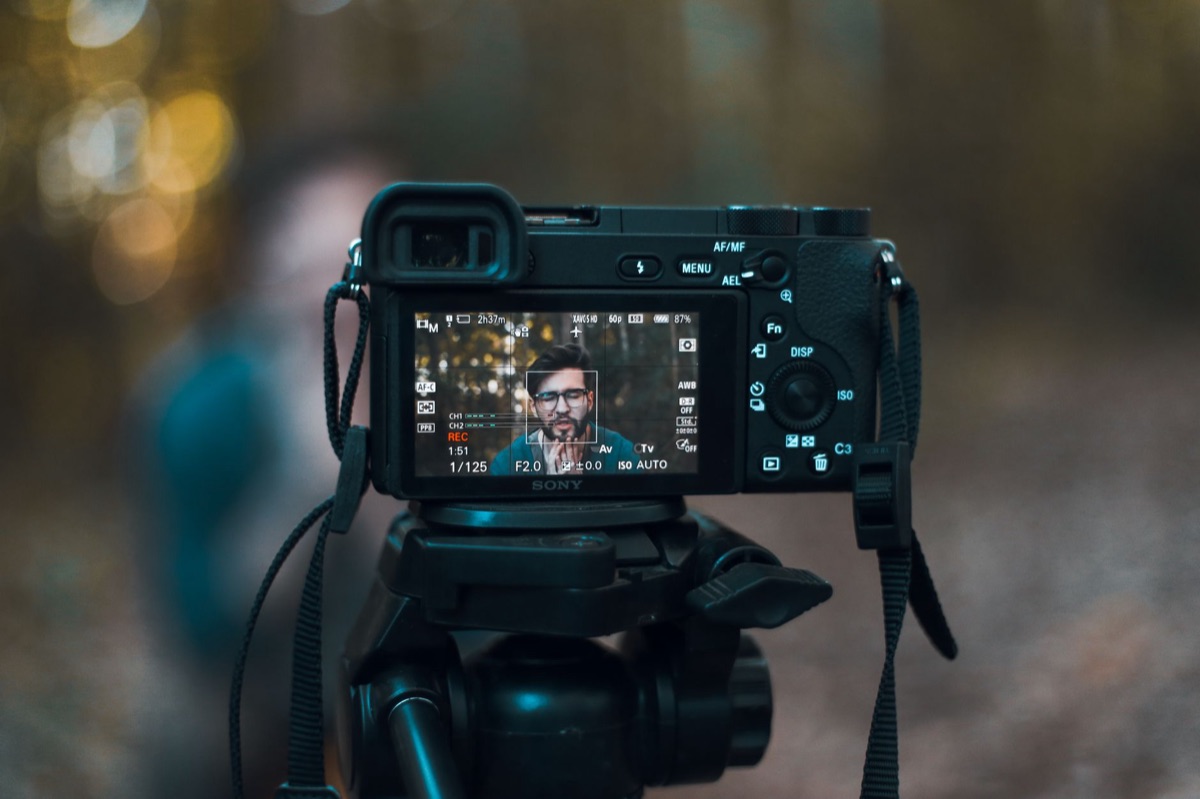
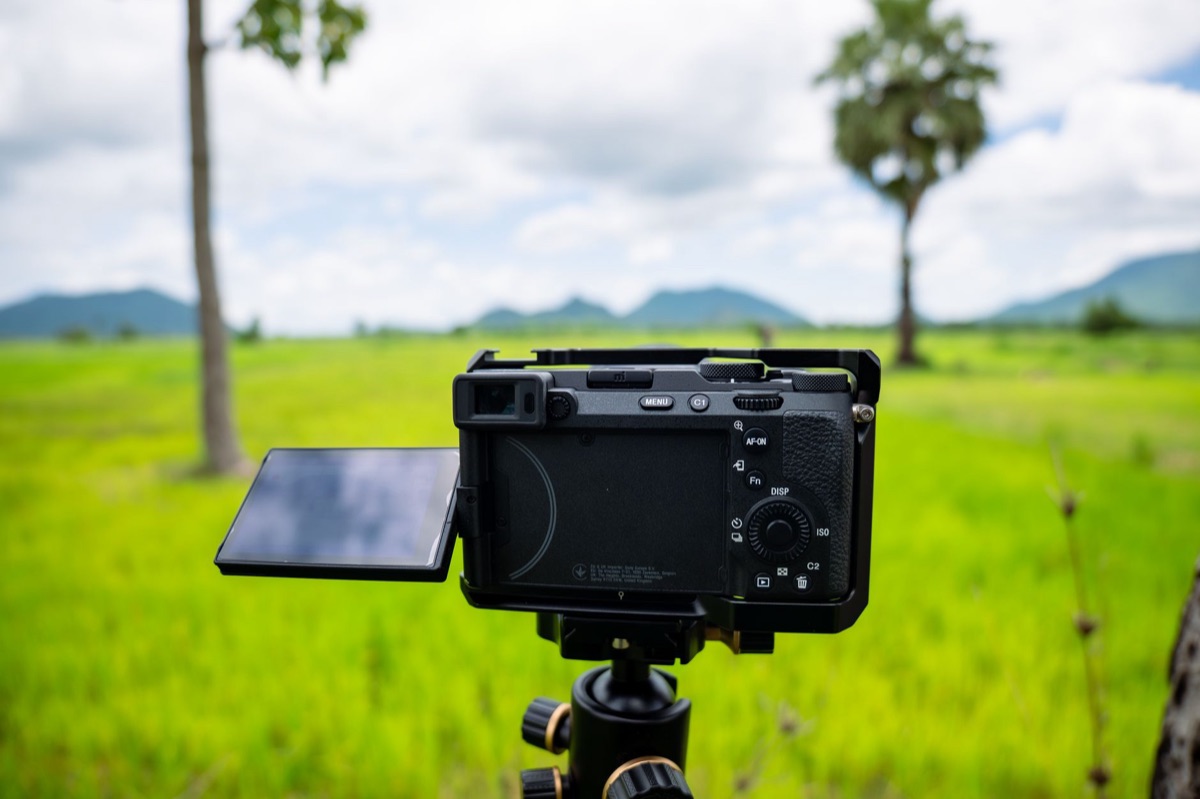
If you want to be a filmmaker, you need to look at video-specific features like 8K recording capabilities, high frame rates, and fully articulating screens that flip out to face you.
If you are a photographer, you should prioritize sensor resolution, dynamic range, and the physical ergonomics of the grip.
For those who want to do both, you are looking for a hybrid body. These cameras attempt to bridge the gap, often offering high-resolution sensors that can also handle smooth video codecs.
| Feature | Video Focus | Stills Focus | Hybrid Focus |
|---|---|---|---|
| Primary Priority | Codecs & Stabilization | Resolution & Speed | Balance of Both |
| Screen Type | Fully Articulating | Tilting/LCD | Fully Articulating |
| Key Spec | Video Bitrates | Dynamic Range | Autofocus Reliability |
Which body fits your lifestyle?
Walking through a crowded street market, I realized that a heavy professional body is a liability if you are too tired to hold it up for more than ten minutes. You have to match the gear to the reality of your daily life.
For beginners or vloggers on a budget, look for entry-level bodies that offer great video extras, such as specialized sensor tech that allows for 8K/30p video recording. These models often use sensors similar to higher-end models but are optimized for usability and portability.
Travelers should look toward APS-C sensor cameras, which provide a great balance of image quality and weight.
Meanwhile, serious enthusiasts might look for high-end bodies that offer nearly all the features of flagship models—sometimes providing 95 percent of what a top-of-the-line Sony A1II offers for half the price.
- Identify your primary subject (people, landscapes, or moving action). 2. Set a hard budget for the body and the first two lenses. 3. Test the ergonomics in person to ensure the grip feels natural. 4. Check the availability of compatible lenses for that specific brand.
Is the lens more important than the body?
I once bought a high-end body thinking it would make my photos perfect, only to realize a cheap, blurry lens was ruining every shot. The body is the brain, but the lens is the eye that actually sees the world.
While the body houses the sensor and processes the data, the glass determines the character, sharpness, and depth of your images. A great lens can make an older body look modern, but a cheap lens will make a professional body look mediocre.
The Nikon Z system, for example, offers a massive range of glass, from the specialized Nikkor Z 180-600mm for wildlife to surprisingly capable small lenses like the 40mm pancake. When choosing a system, ensure the brand you pick has a diverse enough lens lineup to grow with you.
* The Body: Provides the sensor, autofocus, and video processing power. * The Lens: Determines sharpness, bokeh (background blur), and low-light capability. * The Trade-off: You can always upgrade a body later, but changing a lens ecosystem is expensive and difficult.
This is not a one-size-fits-all situation; a heavy professional setup is not suitable for a casual hiker, and a tiny travel camera may fail in professional studio environments.
Related


Comments 0