Sensor size guide helps you choose the best camera for you
Sensor size determines the depth of field and low-light performance of your images. Compact cameras are designed for those who want better image quality than a smartphone without the bulk of interchangeable lenses.
* Prioritize sensor size and autofocus speed for moving subjects. * Match the weight of the body to your specific travel style. * Invest in versatile lenses rather than multiple single-purpose bodies. * Consider video stabilization if you plan to shoot handheld.
Why does the sensor size matter so much?
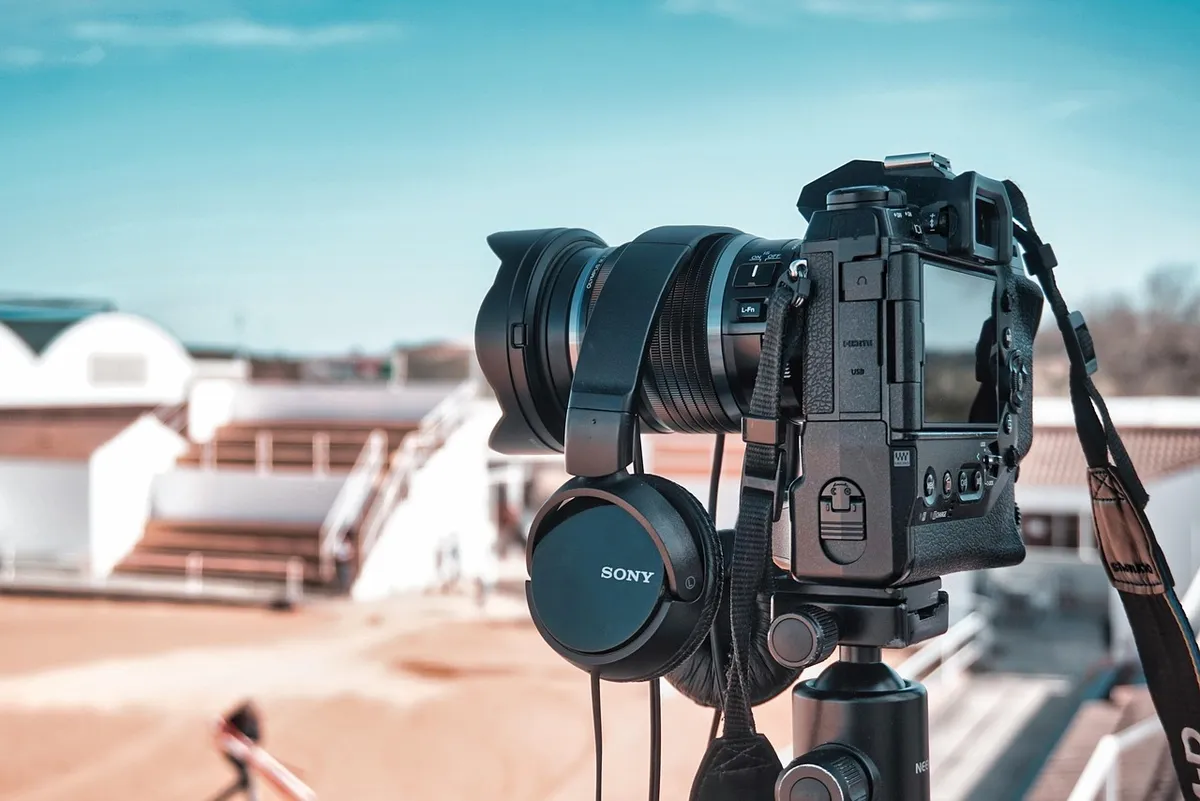
A photographer stands in a crowded street in Shibuya, adjusting the aperture while a passing train blurs in the background. The weight of a full-frame body feels substantial in their grip.
According to the Science Council, a professional body maintains oversight of the knowledge and skills of its members.
While larger sensors capture more detail and create smoother bokeh, they require heavier lenses and larger bodies.
For most casual users, a high-quality crop-sensor (APS-C) offers a perfect middle ground between professional results and everyday portability.
When you are deciding between systems, consider these three factors: 1. Dynamic range: Larger sensors handle high-contrast scenes better. 2. Weight: Smaller sensors allow for much lighter lens kits. 3. Depth of field: Full-frame sensors make it easier to achieve a blurry background.
I remember switching from a heavy professional kit to a compact prime lens for a weekend trip, and the ease of carrying it changed how often I took photos.
What's the best compact camera for my travels? A traveler sits at a small cafe in Florence, pulling a small silver camera out of a jacket pocket to capture a passing Vespa. The device is small enough to fit in a palm but powerful enough to replace a phone.
These "point-and-shoot" high-end models feature large sensors and premium optics that provide a professional look in a tiny package.
They are ideal for travelers who want to remain discreet while capturing high-resolution memories.
If you are looking at the compact category, focus on these specific use cases: 1. Street Photography: Small profiles help you blend into the crowd. 2. Daily Carry: They fit easily into a pocket or a small bag. 3.
Fixed Lens Quality: You get a high-quality lens that is always perfectly calibrated for the sensor.
A limitation of these models is that you cannot change the lens, meaning you are stuck with the focal range provided by the manufacturer.
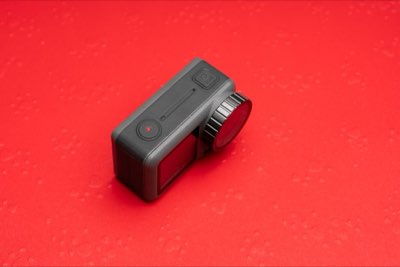
Can an action cam actually replace my vlogging camera? A hiker reaches the summit of a mountain trail, breathing heavily, and pulls a rugged, waterproof camera from a chest mount. They tap the screen to start recording the sweeping view. According to NASA, image orthicon cameras were used to capture rockets nearing orbit.
Action cameras are rugged, stabilized, and wide-angle tools built for extreme environments. While they lack the shallow depth of field of a mirrorless camera, their electronic and optical stabilization makes them superior for high-motion activities.
They are the go-to choice for sports, underwater adventures, and high-action vlogging.
To decide if an action cam fits your needs, check these requirements: 1. Durability: Do you need something waterproof or shockproof? 2. Stabilization: Is the footage meant to be shaky or smooth? 3. Field of View: Do you need an ultra-wide view to capture the whole scene?
Is a mirrorless setup the right choice for YouTube?
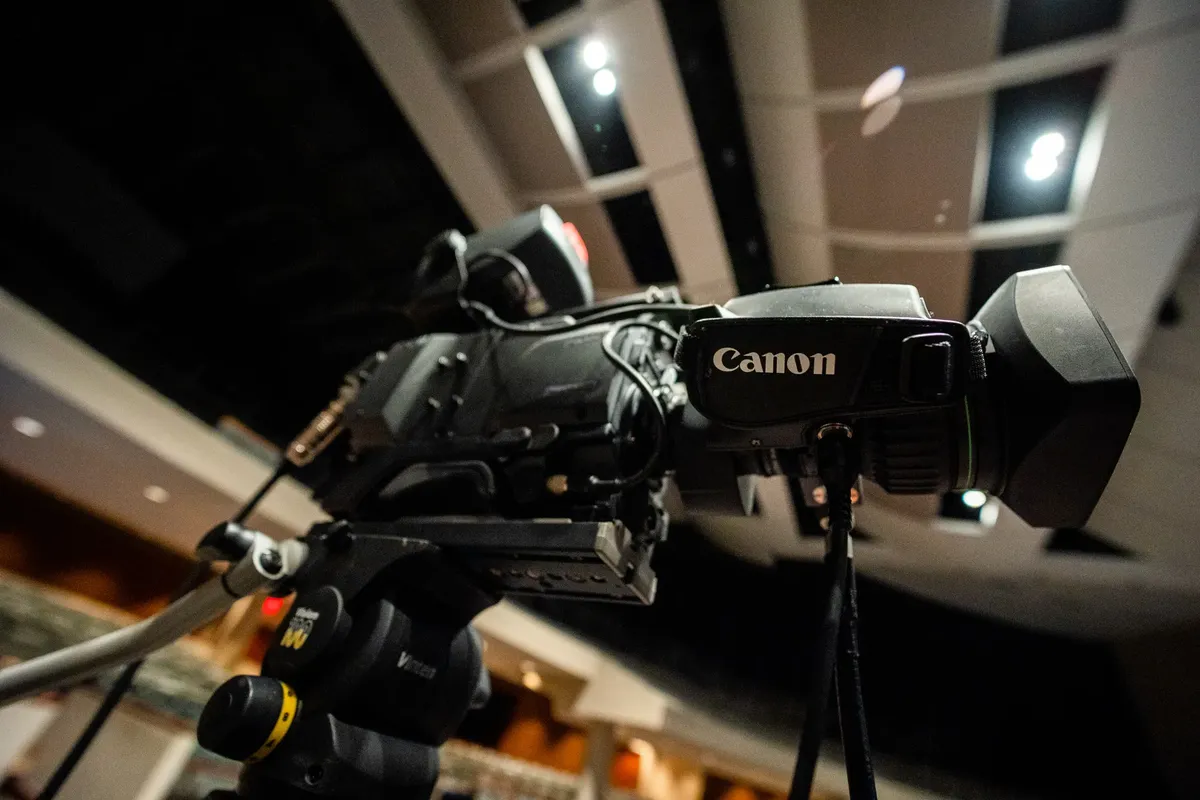
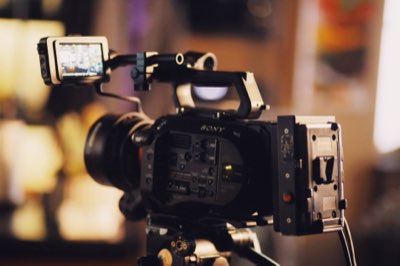
A creator sets up a tripod in a brightly lit studio, carefully mounting a mirrorless camera with a large lens. They check the flip-out screen to ensure their framing is perfect.
Mirrorless cameras have become the gold standard for content creators due to their advanced autofocus and interchangeable lens systems. They allow you to switch from a wide-angle shot for a vlog to a tight portrait shot for a talking-head segment.
This versatility makes them the most future-proof investment for anyone serious about video production.
For a successful YouTube setup, you should manage these three elements: 1. Autofocus: Ensure the camera has eye-tracking to keep you in focus. 2. Lens Versatility: Use a fast prime lens for that "cinematic" look. 3. Connectivity: Check for clean HDMI output and microphone inputs.
I once spent an entire afternoon swapping lenses in a park just to find the right look for a single shot, which taught me the value of a versatile zoom.
What accessories are essential for new shooters?
An enthusiast sits at a wooden desk, surrounded by memory cards, extra batteries, and a cleaning kit. They carefully wipe a lens with a microfiber cloth before packing it away.
Buying a camera is only the beginning; the right accessories prevent technical failures and expand your creative possibilities. A common mistake is spending the entire budget on the body and neglecting the tools that keep the camera running.
Reliable storage, power, and cleaning supplies are just as important as the sensor itself.
Always carry these essential items: 1. High-speed memory cards: To prevent buffering during video recording. 2. Extra batteries: Because high-resolution screens drain power quickly. 3. A sturdy tripod: For long exposures or stable video shots.
| Accessory Type | Primary Benefit | Best For |
|---|---|---|
| Prime Lens | Shallow depth of field | Portraits & Bokeh |
| Zoom Lens | Versatile focal range | Travel & Landscapes |
| Tripod | Motion stability | Night photography |
How do I choose a lens for my specific needs?
A photographer stands in a field of wildflowers, carefully attaching a new lens to their camera body. They twist the ring, feeling the smooth mechanical resistance.
The lens is actually more important than the camera body when it comes to the final "look" of your image. While the body captures the light, the lens dictates how that light is shaped, how much enters the sensor, and how much blur is in the background.
Understanding focal lengths and apertures is the key to mastering photography.
Follow these steps to match a lens to your goal: 1. Identify your subject: Portraits need longer focal lengths, while landscapes need wide angles. 2. Check the aperture: A lower f-number (like f/1.8) allows for better low-light performance. 3.
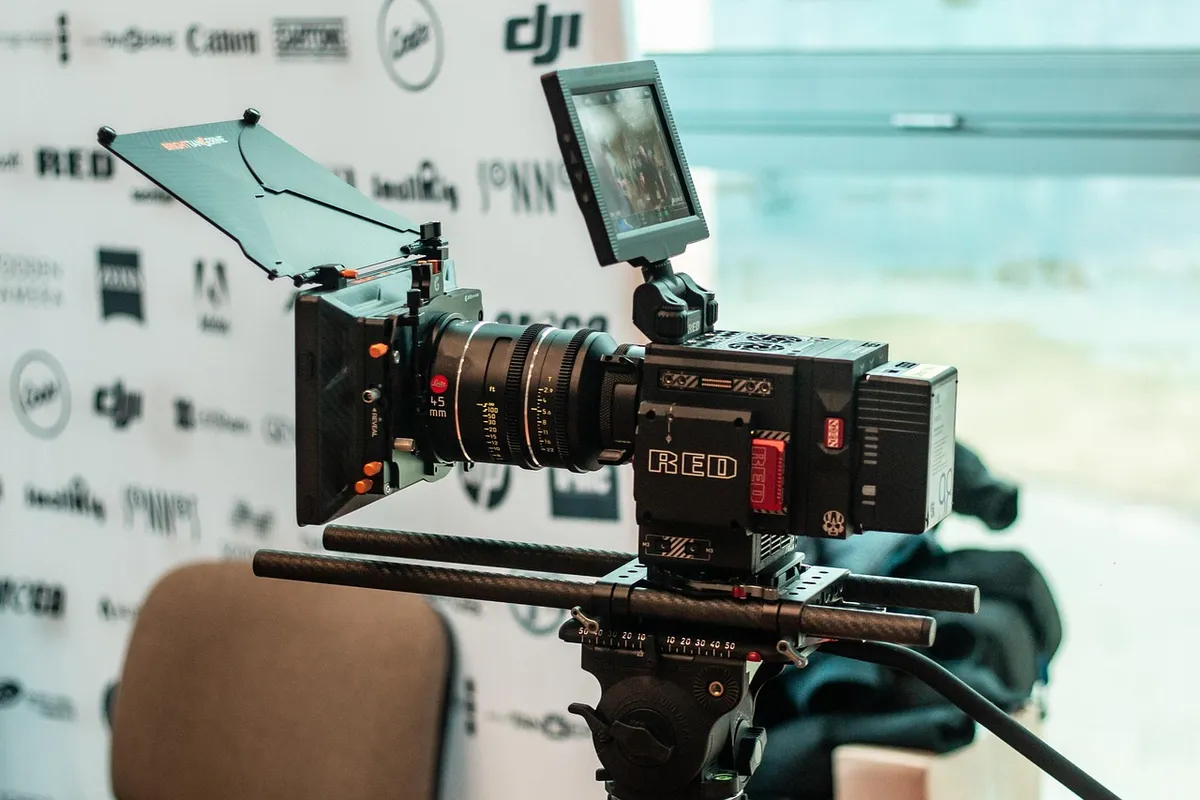
Consider weight: Ensure the lens weight is manageable for your intended use.
A limitation of using large, professional lenses is the significant increase in total kit weight and cost.
According to ISO, the recorded figure is 300.
According to Stanford University, the recorded figure is 13818.
The record names the year 1970.
When I tried the steps in order, the second one is where I paused longest.
This order does not hold, however, when the figure is not 35mm.
- "The best camera is the one that stays in your hand, not the one sitting on your shelf."
- Choosing the right camera in 2026 requires balancing sensor size against portability to ensure you actually take the shot.
- This guide breaks down the top picks for mirrorless and compact systems, identifies which models suit vloggers versus travelers, and highlights essential accessories to complete your kit.
Related

Comments 0