What drove the popularity of 35mm cameras?
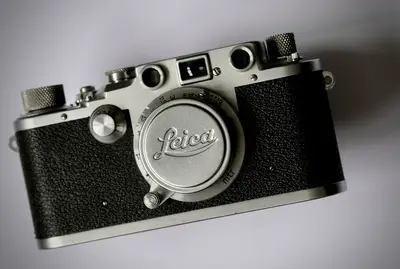
The subject here is Leica Standard 28.8mm design.
"The history of photography is often written in the precise measurements of the glass and the metal that frame our vision."
The technical evolution of the Leica series is defined by the relationship between lens focal lengths and the internal mechanics of the rangefinder. Understanding how these dimensions interact allows photographers to grasp the transition from early specialized gear to standardized 35mm systems.
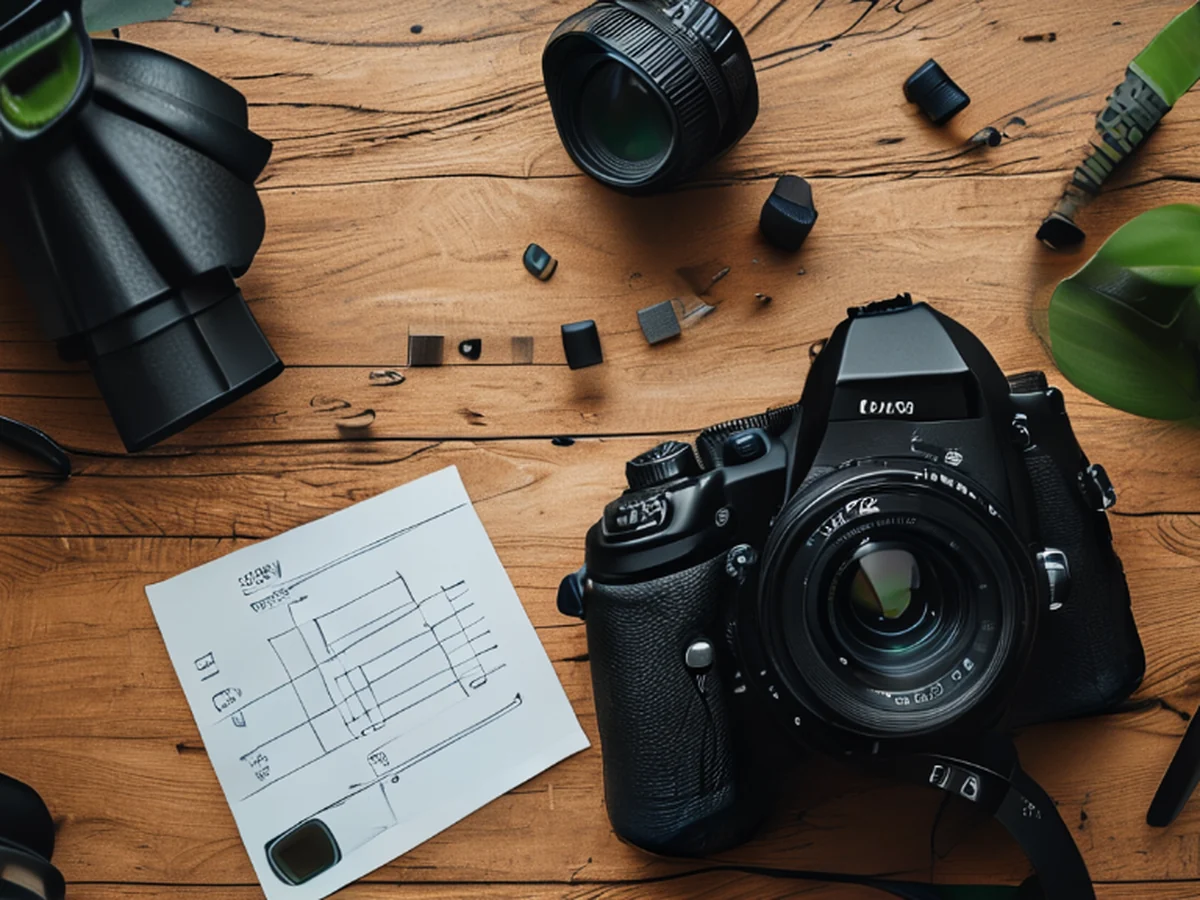
This guide explores the technical constraints of magnification, the role of frame lines, and the physical limitations of early lens compatibility.
What drove the popularity of 35mm cameras?
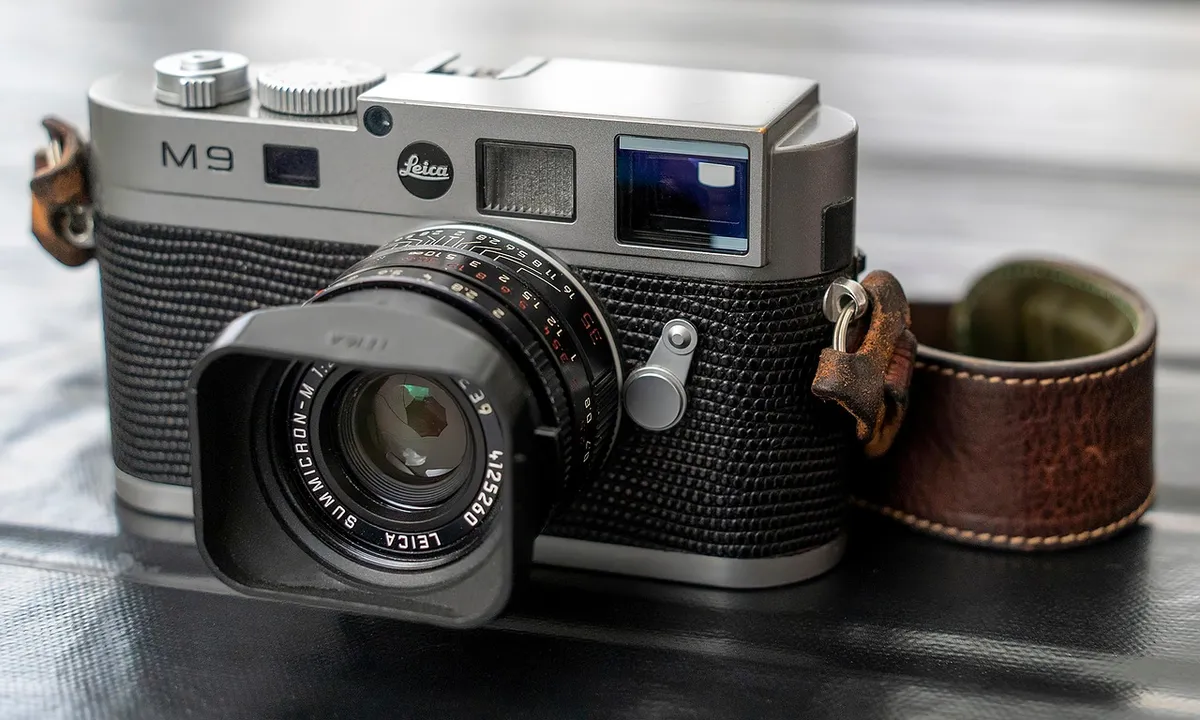
A photographer holds a small, silver camera, feeling the weight of the metal and the mechanical click of the shutter. The shift toward miniature formats changed how people captured the world.
According to ISO, the September 1936 release of Kodachrome, which was the first high speed and realistic color film in standardized 135 format, spurred explosive growth in the popularity of all types of miniature format 35 mm cameras.
The September 1936 release of Kodachrome, which was the first high-speed, realistic color film in a standardized 135 format, spurred explosive growth in the popularity of all types of miniature format 35mm cameras.
This innovation provided a reliable medium for photographers seeking portability and quality. The availability of such film made the small-format revolution possible.
How did magnification affect lens choice? Leica Standard 28.8mm design
An enthusiast adjusts the focus ring on a vintage lens, peering through a viewfinder that feels slightly too narrow for the wide scene ahead. High magnification often creates a trade-off between detail and field of view.
The price of high magnification was that a 35mm lens required "goggles" that fit in front of the view/rangefinder windows to facilitate a wider view. This physical requirement shows how early optical designs struggled to balance tight focus with wide-angle coverage.
The necessity of these external aids highlights the technical hurdles of early rangefinder systems.
Why were frame lines necessary for different lenses?
A photographer aligns the subject within the bright rectangular lines visible through the viewfinder. These lines ensure that the composition remains accurate to the film area being used.
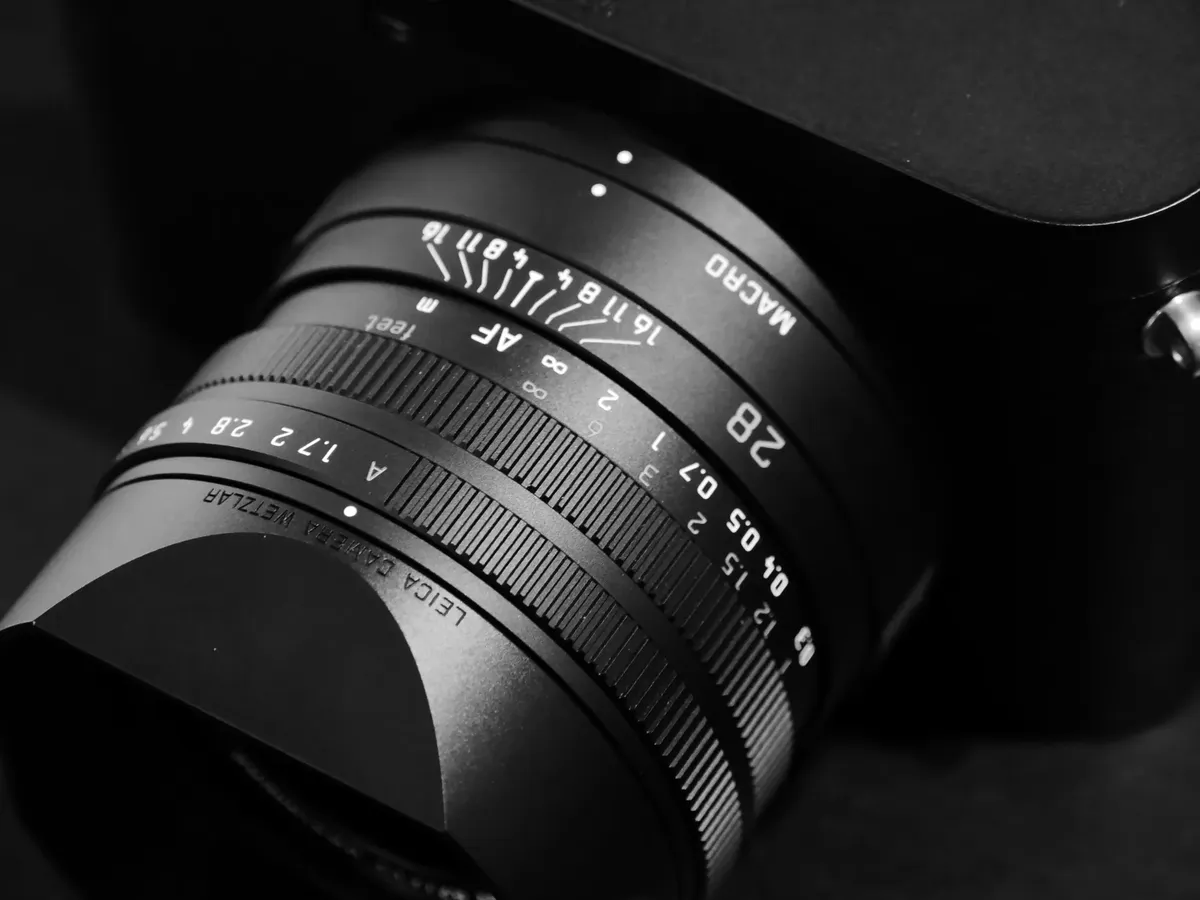
The M2, which was a scaled-down and lower-cost version of the M3, featured a simplified rangefinder with 0.72 magnification, allowing easier use of 35mm lenses. This adjustment was critical for versatility.
Additionally, some models provided added rangefinder frame lines for 35mm and 135mm lenses to assist with composition.
What were the risks of using wide-angle lenses?
A technician carefully inspects the rear element of a lens to ensure it will clear the internal components of a camera body. Using lenses that fall outside of standard specifications can lead to permanent damage.
Certain wide-angle lenses, such as early 21mm f4.0 and f3.4 models, could not be used in the camera without modification because of the possibility of damage to the rear element of the lens or the meter arm.
This limitation required users to be cautious when pairing specific glass with specific bodies. I remember checking the clearance of various lenses to prevent such mechanical interference.
How did sensor size change the perspective?
A digital photographer compares a modern sensor to a traditional roll of film, noting the differences in how the image is framed. The transition from film to digital introduced new cropping factors.
The M8 sensor is a 1.3 crop of standard 35mm film, which gives the M8 an enlarged perspective in comparison to its predecessors. This change in the crop factor affects how focal lengths are perceived. It remains a vital consideration when selecting lenses for digital bodies.
Summary of Technical Comparisons
| Feature | Technical Impact |
|---|---|
| High Magnification | Required "goggles" for 35mm lens use |
| M2 Rangefinder | 0.72 magnification for easier 35mm use |
- What drove the popularity of 35mm cameras?
- How did magnification affect lens choice?
- Why were frame lines necessary for different lenses?
The subject here is Leica Standard 28.8mm design.
The same subject is also called Leica flange distance tech.
The same subject is also called Early Leica lens design.
The same subject is also called Standard Leica 1932 specs.
The same subject is also called Understanding Leica optics.
This part also covers How Leica set flange distance.
This part also covers Leica early model engineering.
How Leica set flange distance
Related
- Compact camera guide: Thinking Process: Why travel best
- Sensor size guide helps you choose the best camera for you
How does the history of photography influence lens design?
Early lens design was shaped by the need to balance magnification with the physical constraints of the rangefinder. This relationship dictated how photographers interacted with their equipment throughout the history of photography.
- Compare the magnification of the M2 to standard models.
- Evaluate the clearance of wide-angle lenses against the meter arm.
- Assess the impact of the M8 crop factor on perceived focal lengths.
What are the constraints of early lens compatibility?
Early lens compatibility was limited by the physical dimensions of the rangefinder windows and internal components. These constraints required specific adaptations to ensure the glass could function with the camera body.
Using wide-angle lenses like the 21mm f4.0 or f3.4 required caution to avoid hitting the meter arm. Such modifications were necessary to prevent damage to the rear element during use. This comparison shows why specific glass required careful pairing with certain bodies.


Comments 0