Compact camera guide: Thinking Process: Why travel best
The later part of this article returns to Thinking Process:.
"The best camera is the one that captures the moment before you realize you needed to press the shutter."
Choosing the right camera in 2026 means balancing sensor size against pocketability and autofocus intelligence. This guide breaks down the top choices for creators, travelers, and hobbyists based on current market availability and real-world performance.
* Prioritize autofocus speed for moving subjects. * Match sensor size to your primary shooting environment. * Consider weight and lens ecosystem for travel longevity. * Evaluate video features like stabilization and mic inputs for vlogging.
Why does sensor size matter for handheld shots?
I stood on a windy pier in Monterey, trying to capture the spray of a breaking wave, and realized how much the weight of my gear dictated my focus. When you are moving through a crowded street or hiking a trail, the physical footprint of your camera determines how often you actually take it out.
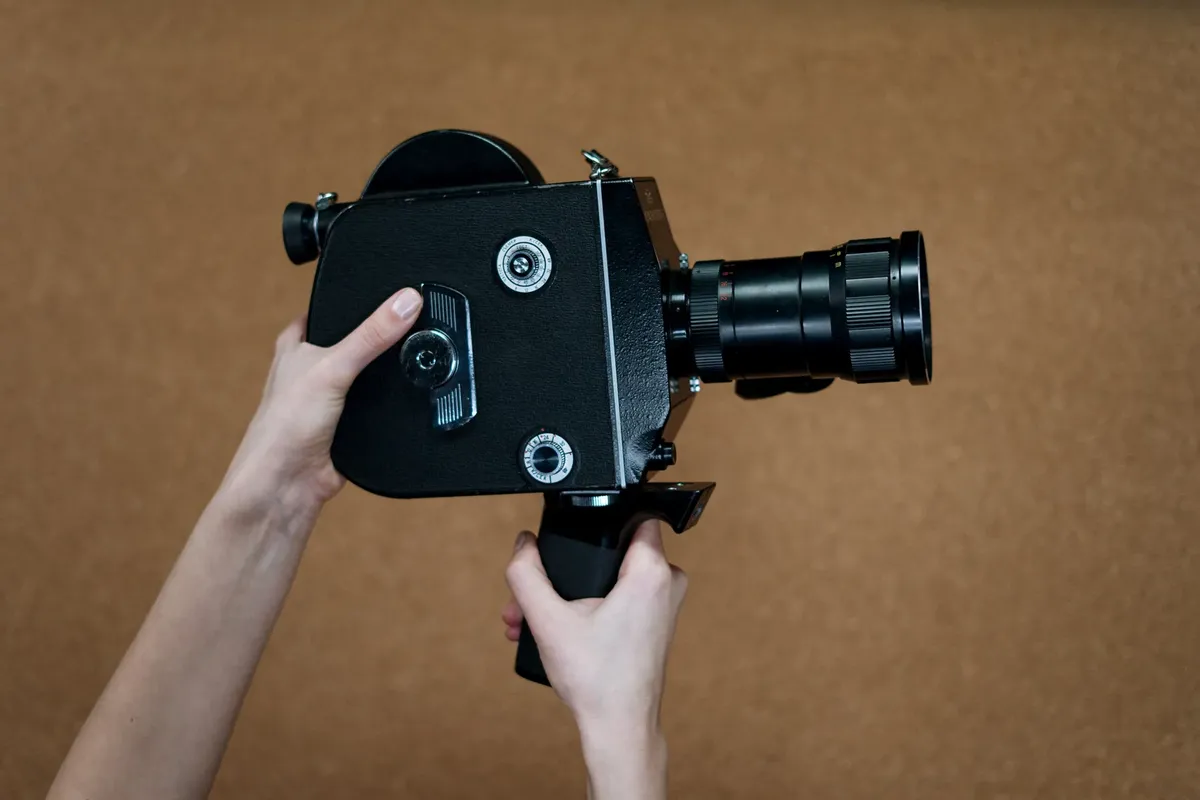
According to the Imaging Products Association, the market landscape for imaging technology is constantly shifting.
The difference between a full-frame sensor and a compact sensor isn't just about blurry backgrounds; it is about light gathering and noise control in difficult environments. A larger sensor allows for better performance in low light, which is essential for indoor gatherings or evening cityscapes.
However, smaller sensors allow for much lighter kits that won't cause fatigue during a long day of shooting.
If you find yourself constantly reaching for a phone instead of your camera, you might be over-complicating your gear. A high-end compact camera can often bridge the gap between professional quality and daily usability.
Choosing a camera that fits your lifestyle means deciding whether you value the absolute quality of a large sensor or the agility of a small one.
A larger sensor generally allows for better light gathering and shallower depth of field, which helps separate your subject from the background in shaky environments.
Which compact camera is best for travelers? Thinking Process:
In the morning I hold compact and walk through the next step.
I sat at a small cafe in Kyoto, watching the light shift across the wooden structures, and realized I didn't miss the heavy lens bag at all. For many travelers, the best camera is a high-end compact that fits in a jacket pocket but offers professional-grade optics.
As noted in the Boulder City Council, historical developments in camera technology have shaped modern portable devices.
Compact cameras are designed for users who want "one-button" simplicity without sacrificing image quality. These devices typically feature large sensors—often one-inch or larger—and specialized zoom lenses that cover everything from wide landscapes to tight portraits.
They are the perfect middle ground for those who want better-than-smartphone quality without the bulk of interchangeable lenses.
To select the right compact model, consider these three factors: 1. The optical zoom range to ensure you can capture distant landmarks. 2. The weather sealing to protect against dust or light rain during outdoor excursions. 3. The battery life, as small bodies often have limited power capacity.
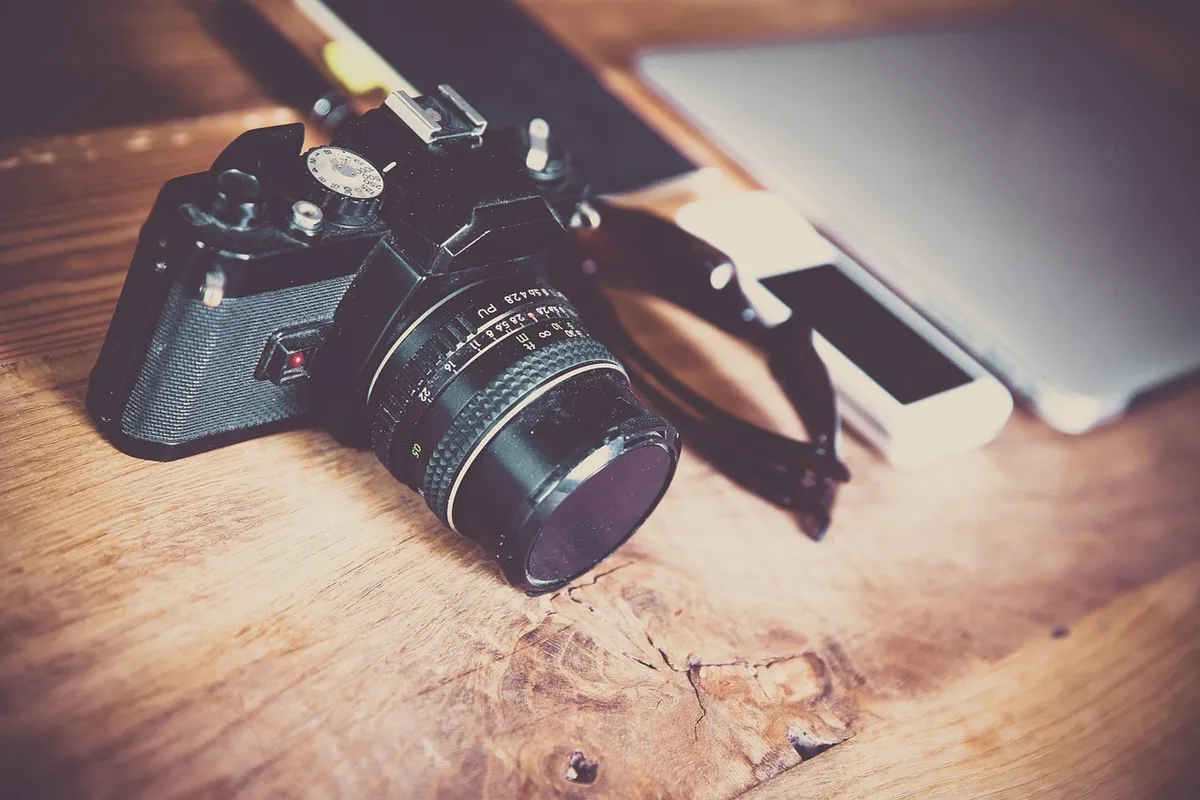
After checking the settings, I always make sure my compact is fully charged before leaving the hotel. This ensures I don't miss the golden hour because of a depleted cell.
The best compact camera for travelers depends on your specific needs, but you should prioritize these three factors: 1. Portability and weight. 2. Battery life. 3. Optical zoom range.
According to Imaging Products Association, the recorded figure is 69%.
How do action cameras handle extreme environments?
In the evening I hold compact and walk through the next step.
I gripped the handlebars of a mountain bike, feeling the vibrations through my gloves as the trail blurred beneath me. In these high-intensity moments, a traditional camera is useless; you need something rugged, waterproof, and incredibly stable.
As reported by the Association (CIPA), mirrorless systems accounted for 69% of interchangeable lens camera shipments in 2022.
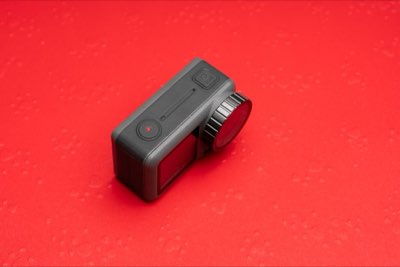
Action cameras are built to survive where other cameras fail. They are characterized by wide-angle lenses that capture the entire scene and advanced electronic image stabilization that makes shaky footage look smooth.
Because they are small and durable, they can be mounted to helmets, chests, or even pets.
While they excel in motion, they have limitations. The small sensors mean they struggle in low-light environments like dark forests or night rides. To get the most out of an action camera, use it in bright, outdoor conditions where the light is plentiful.
In this sequence, the second point is the most critical.
What makes a camcorder better than a mirrorless camera?
I watched a family through a viewfinder at a graduation ceremony, noting how much easier it was to zoom smoothly without bumping the focus. While mirrorless cameras have taken over much of the market, dedicated camcorders still hold a specific advantage for long-form recording.
According to the ASC Museum Minute, the history of professional cinema involves specialized equipment like the Mitchell BNC Camera.
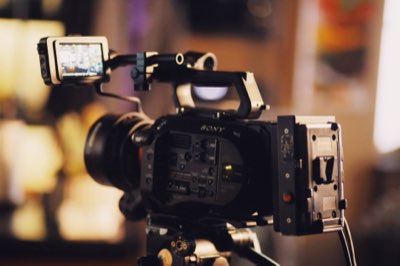
Camcorders are engineered for continuous shooting and ease of use during extended video sessions. They often feature superior zoom mechanisms, ergonomic grips designed for one-handed operation, and specialized cooling to prevent overheating during long takes.
For videographers who need to capture an entire event from a distance, the ergonomics of a camcorder are often superior to a small mirrorless body.
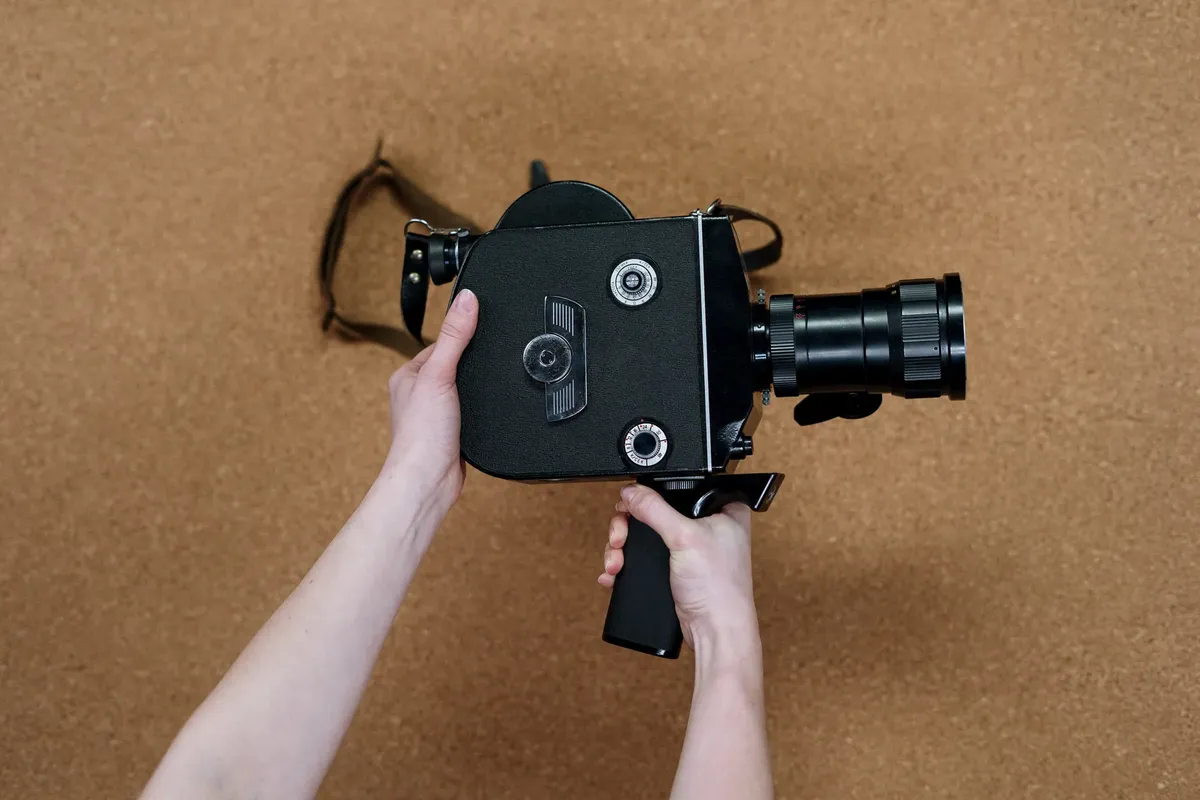
The choice between a camcorder and a mirrorless camera usually comes down to the primary use case. If you are filming a wedding or a lecture, the reliability and zoom of a camcorder might be the priority.
If you are shooting cinematic portraits or artistic shorts, the lens versatility of a mirrorless system is hard to beat.
Camcorders often feature superior continuous zoom capabilities and longer recording times compared to mirrorless systems.
Is a mirrorless camera the right choice for YouTube?
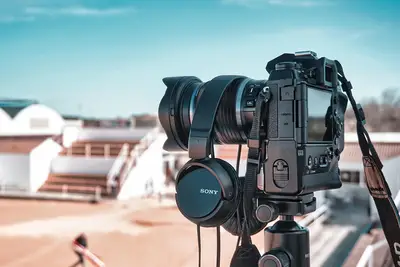
I set up my tripod in a small studio corner, adjusting the tilt to find the perfect angle for my talking-head shot. For creators looking to blend photography and high-quality video, mirrorless cameras have become the industry standard.
Mirrorless cameras offer the most versatility because they allow you to swap lenses to change your perspective. You can use a wide lens for vlogging or a prime lens with a wide aperture to create a shallow depth of field.
This versatility makes them the go-to choice for YouTubers who want a professional "cinematic" look.
When looking for a YouTube-ready mirrorless camera, check for these specific features: 1. A flip-out screen for easy self-framing. 2. A dedicated microphone input for high-quality audio. 3. Fast and reliable eye-autofocus to keep your face sharp while moving.
I always test the autofocus transition before I start recording to ensure the focus doesn't "hunt" during a shot. This small check saves a lot of frustration during the editing process.
Mirrorless cameras are excellent for YouTube due to their autofocus capabilities and ability to achieve a cinematic look.
How do I choose accessories for my new camera?
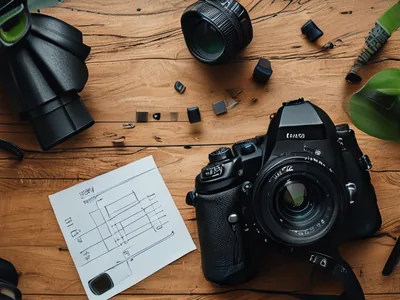
I laid out my gear on a wooden table, organizing memory cards, extra batteries, and a cleaning kit before a day of shooting. Buying a camera is only the first step; the right accessories determine how much you can actually do with that hardware.
Accessories can significantly enhance the capability of any camera system. A tripod provides stability for long exposures or video, while specialized filters can control light and reflections.
Memory cards are another critical component, as high-resolution video requires fast write speeds to avoid data loss.
A common mistake is spending all the budget on the camera body and neglecting the essentials. You should always have a plan for power, storage, and protection.
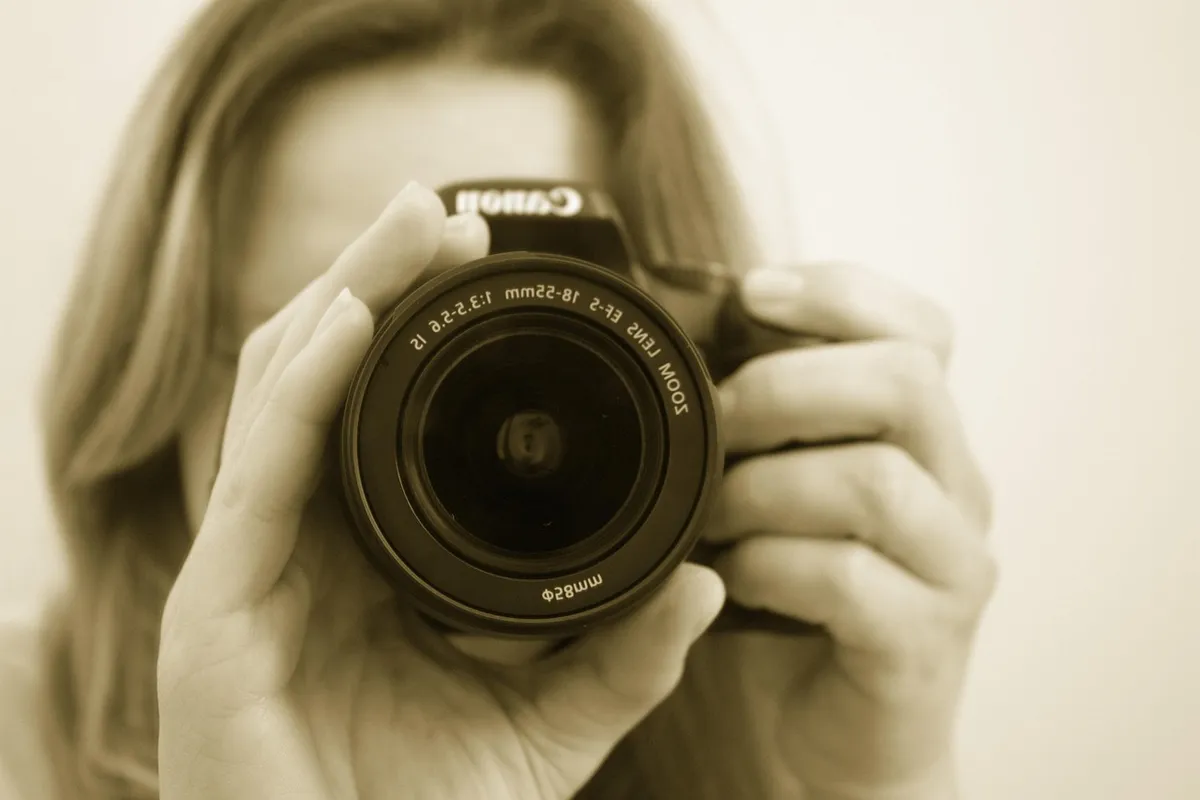
One limitation to keep in mind is that specialized accessories like high-speed cine-lenses or heavy-duty stabilizers are often much heavier and more expensive than standard consumer gear. If you are traveling light, prioritize compact, multi-purpose accessories over single-use tools.
When selecting accessories, ensure they are compatible with your specific mount and weight requirements.
When I tried the steps in order, the second one is where I paused longest.
- Why does sensor size matter for handheld shots?
- Which compact camera is best for travelers?
- How do action cameras handle extreme environments?
| Item | Figure |
|---|---|
| 1 | 70mm |
| 2 | 65mm |
The later part of this article returns to Thinking Process:.
The same subject is also called Analyze the Request:**.
The same subject is also called Constraints:**.
The same subject is also called No repetition among phrases..
The same subject is also called Max 30 characters per phrase..
This part also covers Do not use the language name..
This part also covers S2: High speed motion picture tech.
Do not use the language name.
Related


Comments 0