Why is the market shifting toward mirrorless systems?
"Choosing the right camera requires balancing portability with technical capability to ensure every captured moment remains clear and intentional."
The best way to select a camera is to evaluate the specific ecosystem, such as mirrorless or traditional systems, based on your intended use case.
This guide covers the shift toward mirrorless dominance, the design philosophy of specialized models like the Leica M10, and how to weigh technical specifications against physical constraints.
Key takeaways include understanding market trends, recognizing design heritage, and prioritizing portability.
Why is the market shifting toward mirrorless systems?

At dawn, the photographer grips a compact body in the quiet studio, feeling the lightness that defines the shifting market.
A photographer walks into a bright studio, swapping a heavy lens for a compact body that fits easily into a small bag. The transition from traditional DSLRs to more streamlined technology is driven by a desire for better portability and advanced sensor integration.
This shift indicates that users are moving away from bulky hardware in favor of more efficient, compact designs.
This trend suggests that the future of photography lies in smaller footprints that do not sacrifice image quality. As systems become more integrated, the distinction between professional-grade tools and consumer-friendly devices continues to blur.
The transition is driven by the elimination of the bulky mirror box, which allows for more compact bodies and faster autofocus performance. This shift also enables more seamless integration between digital sensor technology and advanced electronic viewfinders.
How does design heritage affect modern camera selection? Best action cam guide
In the dim light of the workshop, he turns a manual dial to feel the tactile connection to a legacy market.
An enthusiast picks up a vintage-style camera, feeling the tactile click of a manual dial that feels familiar to the hands of a seasoned professional. Design often bridges the gap between historical aesthetics and modern digital functionality.
The Leica M10, announced in January 2017, serves as a prime example of this design philosophy. It was the slimmest digital M-camera to date, featuring identical dimensions as the M series film cameras and an ISO control knob on the top plate.
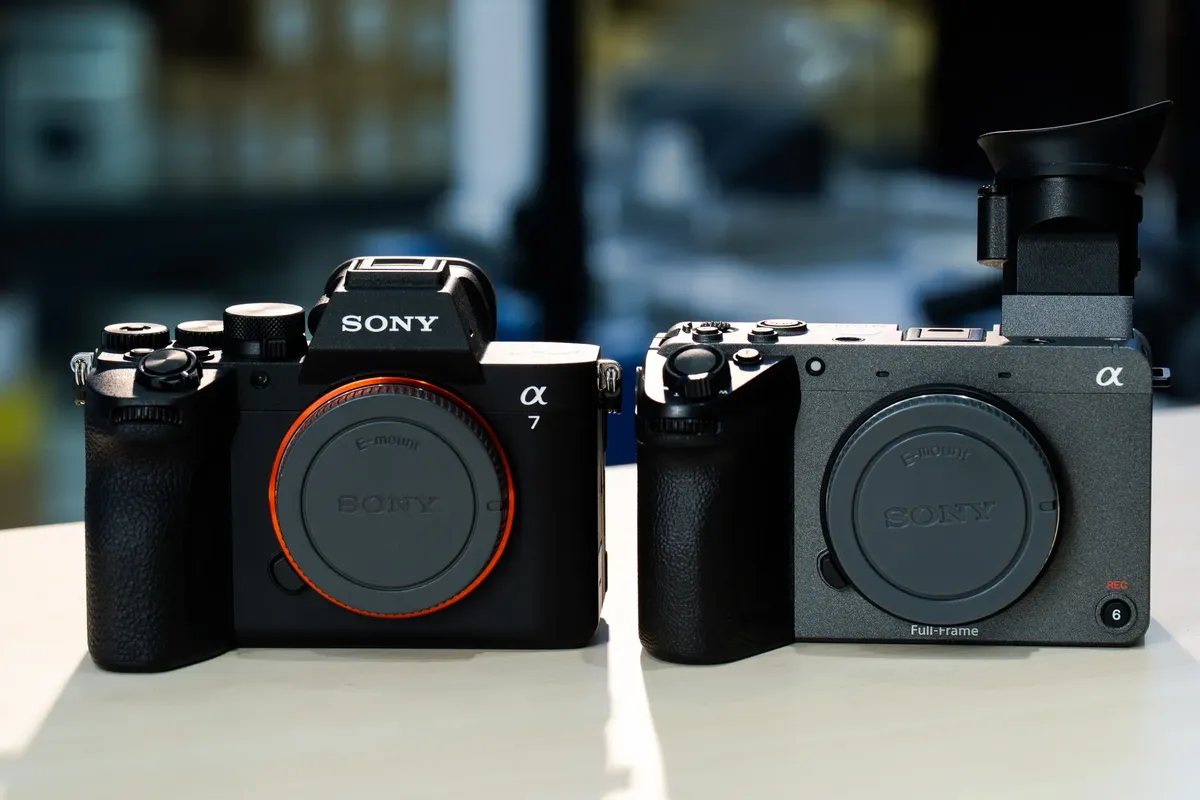
This allows users to maintain a traditional shooting experience while utilizing modern sensor technology.
When selecting a camera, one must decide if they value modern automation or the tactile feedback of legacy designs. Choosing a model that respects these traditions can provide a more engaging shooting experience.
Design heritage often dictates the ergonomics and tactile experience of a camera. Enthusiasts frequently choose between modern, streamlined interfaces and traditional layouts that feature dedicated physical dials for manual control.
What should you consider when comparing camera models?
A traveler stands at a mountain overlook, deciding whether to carry a heavy kit or a light, single-body setup for the day's hike. Comparing different models requires a look at size, sensor capability, and ease of use.
| Feature | Mirrorless Trend | Specialized Compact (M10 Style) |
|---|---|---|
| Market Share/Design | 69% of shipments | Slim, identical to film dimensions |
| Primary Benefit | High growth/versatility | Portability and tactile control |
I found that choosing between these two paths depends entirely on whether the priority is versatility or the specific feel of the grip. A compact model offers a specific way of interacting with light, while a growing market segment favors the flexibility of interchangeable lenses.
Key technical factors include sensor size, autofocus speed, and battery life. You should also evaluate the availability of compatible lenses and the overall build quality of the body.
How do you choose a camera for specific environments?
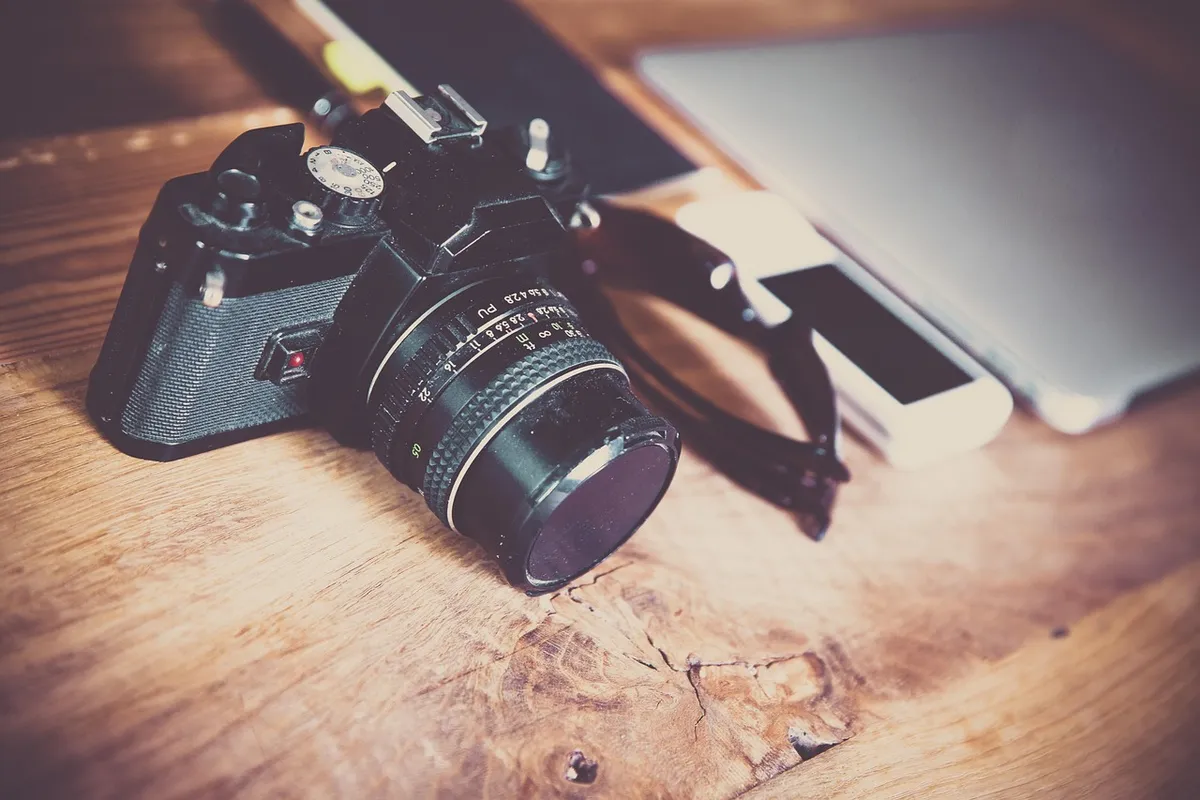
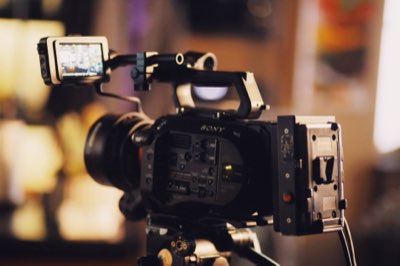
A filmmaker adjusts the settings on a small device, ensuring the sensor can handle the challenging lighting of an indoor set. Environmental factors like light levels and physical space dictate the necessary technical specifications.
Selecting a camera involves matching the sensor's capabilities to the environment. For instance, high-ISO performance is critical for low-light photography, much like how physical dimensions are critical for street photography.
A limitation of modern digital cameras is that while they are becoming smaller, they cannot always replicate the exact optical physics of much larger professional systems in every single lighting condition.
Environmental selection depends on portability and durability. For travel, lightweight bodies are ideal, while professional outdoor use requires weather-sealed bodies and robust thermal management.
How to follow a selection process for your next camera?
A buyer sits at a desk, surrounded by spec sheets and various lens options, trying to make a final decision. Following a structured approach helps prevent buyer's remorse.
- Define your primary use case, such as travel, portraiture, or street photography, to determine the necessary form factor. 2. Evaluate the physical dimensions and weight to ensure the gear fits your lifestyle and mobility needs. much like the slim profile of the M10. 3. Compare the ecosystem availability, such as lens compatibility and brand-specific features. 4. Perform a final check by testing the ergonomics and interface to ensure the controls feel intuitive.
- Define your primary use case and budget constraints.
- Compare technical specifications against your specific creative needs.
- Test the ergonomics and menu systems in person before purchasing.
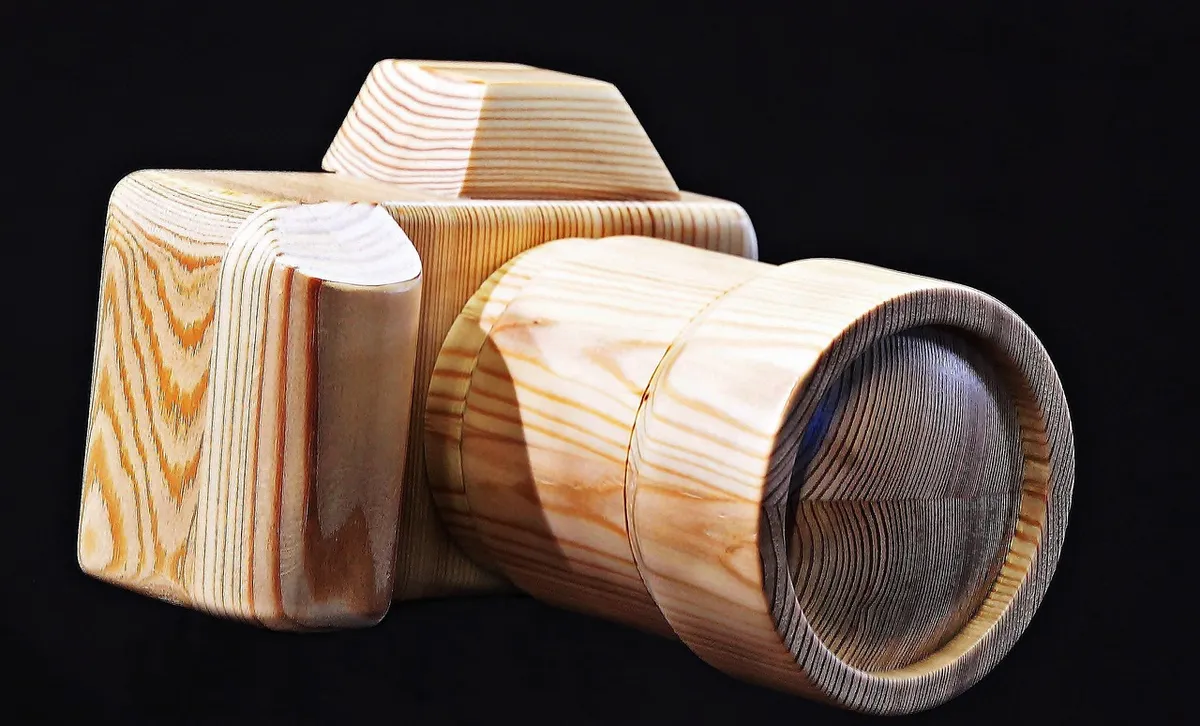
According to Association (CIPA), In 2022, mirrorless systems continued to dominate the digital camera market, accounting for 69% of interchangeable lens camera shipments—a 31% increase from the previous year, as reported by Camera & Imaging Products Association (CIPA).
The subject here is Best action cam guide.
The same subject is also called Action cam buying guide.
The same subject is also called Top action cam models.
The same subject is also called What to look for in cam.
The same subject is also called Action cam comparison.
This part also covers Action cam features explained.
This part also covers Best action cam for sport.
This part also covers Review of popular action cams.
Action cam features explained
Related


Comments 0