Light travel camcorder tips for mobile videographers
"A traveler's greatest burden is not the distance covered, but the weight of the gear carried to document it."
Choosing a light travel camcorder requires balancing portable weight with high-capacity storage to capture every moment without constant battery or memory anxiety. This guide covers essential features for mobile videographers, including display clarity and storage management.
Key takeaways include prioritizing lightweight builds, checking display technology for outdoor visibility, and ensuring compatibility with modern digital standards.
How to choose a light travel camcorder?
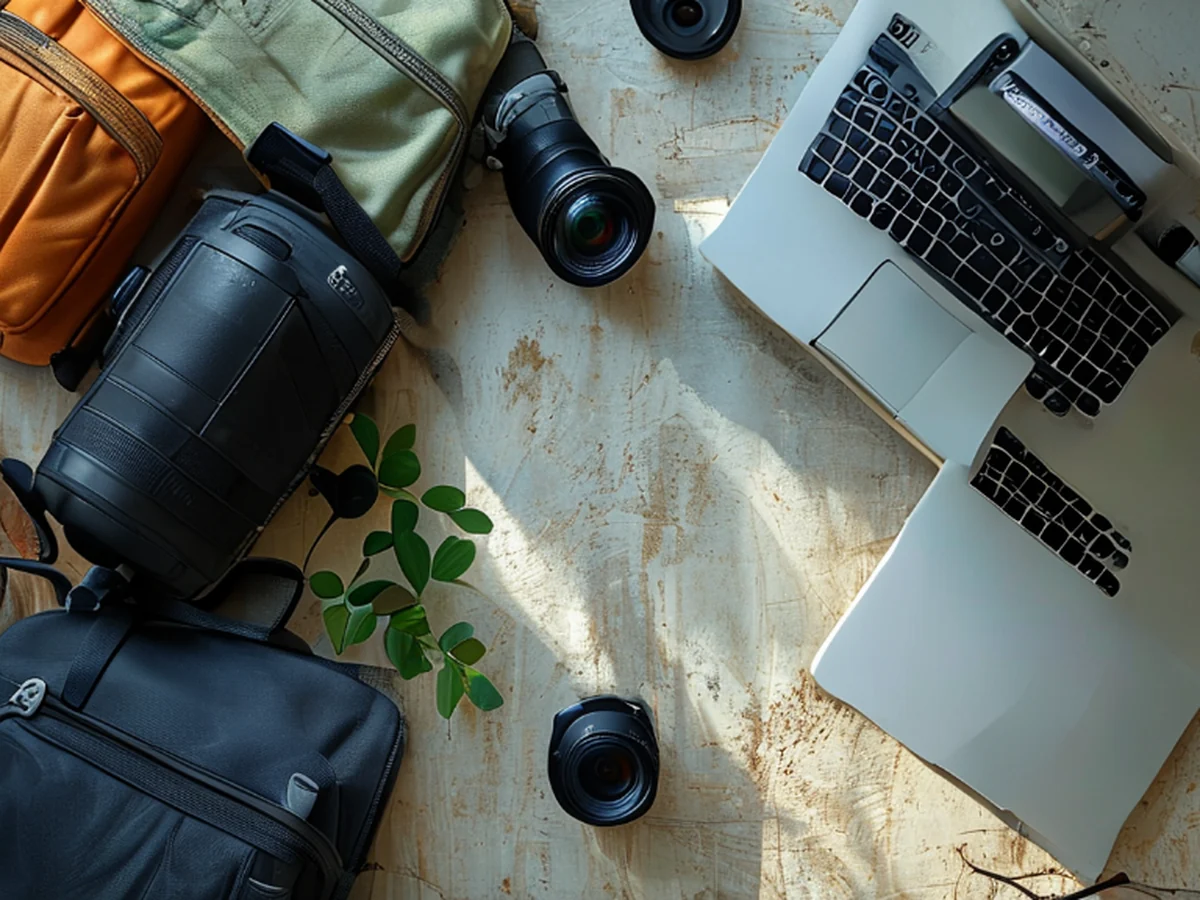
In the bustling terminal at noon, she lifts the small device to her eye, squinting against the harsh sunlight to check the screen.
A photographer stands in a crowded terminal, weighing a small device in their palm before sliding it into a jacket pocket. Choosing the right equipment means balancing portability with sufficient storage to avoid issues during your trip.
A light travel camcorder should be small enough to carry all day without physical fatigue. You need a device that fits into a standard pocket or a small bag, ensuring you never miss a shot because the equipment was too heavy to carry.
When looking at technical specs, consider how the display brightness affects your ability to see shots in sunlight. A compact video camera must remain usable in various lighting conditions.
The best travel camera often features a high-quality sensor that manages light efficiently. You should look for devices that offer a high resolution to ensure your footage remains sharp even when zoomed in.
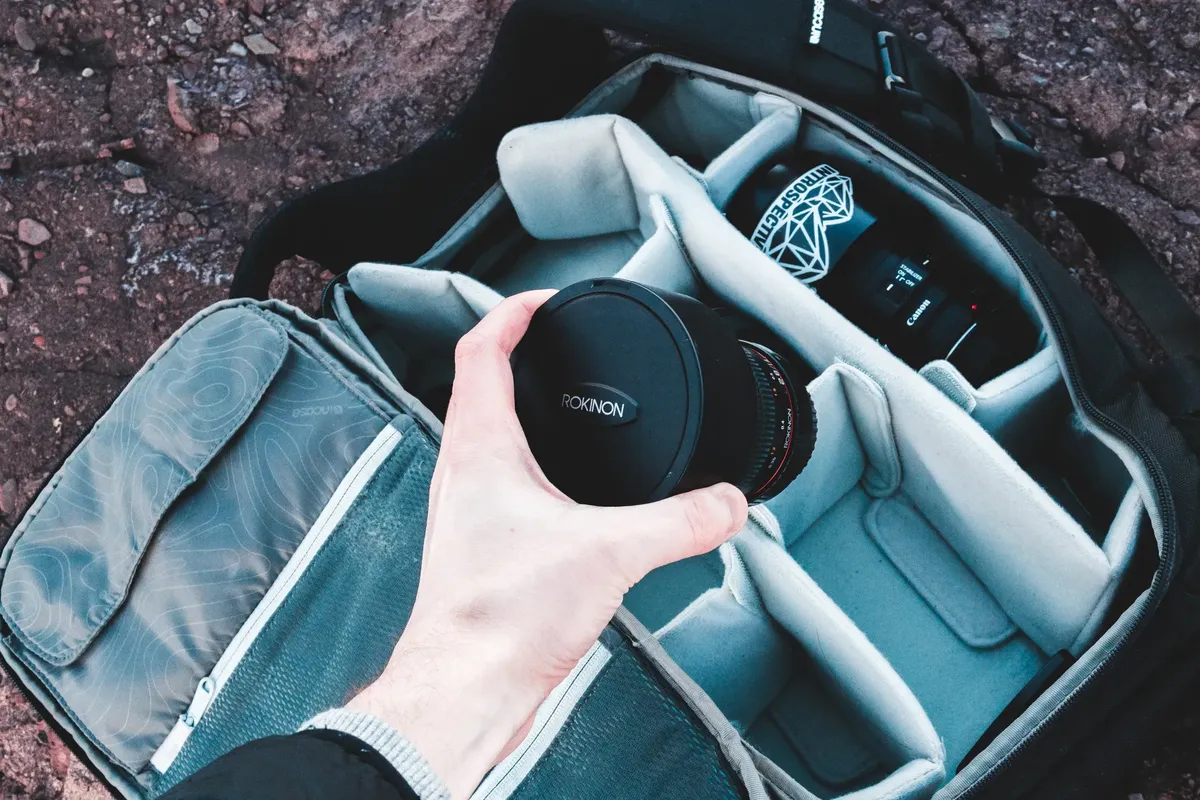
- Prioritize sensor size for image quality.
- Check weight and dimensions for portability.
- Evaluate battery life and connectivity options.
Can I trust a high-capacity storage camera? Sitting at a wooden cafe table at dusk, he plugs in the drive and feels a sense of relief as the data transfers under the warm lamp light.
A traveler sits at a small cafe table, transferring large video files to an external drive to clear space for the next day's adventures. Managing data is as important as the act of filming itself.
A big storage camera must handle large file sizes without slowing down or crashing. You need a device that supports high-speed memory cards to ensure the write speeds match the video quality.
Internal storage capacity is vital for long trips where file transfers are not always possible. A lightweight camcorder should ideally have expandable storage options to accommodate high-definition footage.
Reliability in storage means the device can handle constant reading and writing of data. You should verify that the hardware can support the latest compression standards to save space without losing quality.
In this order, the second step is the longest.
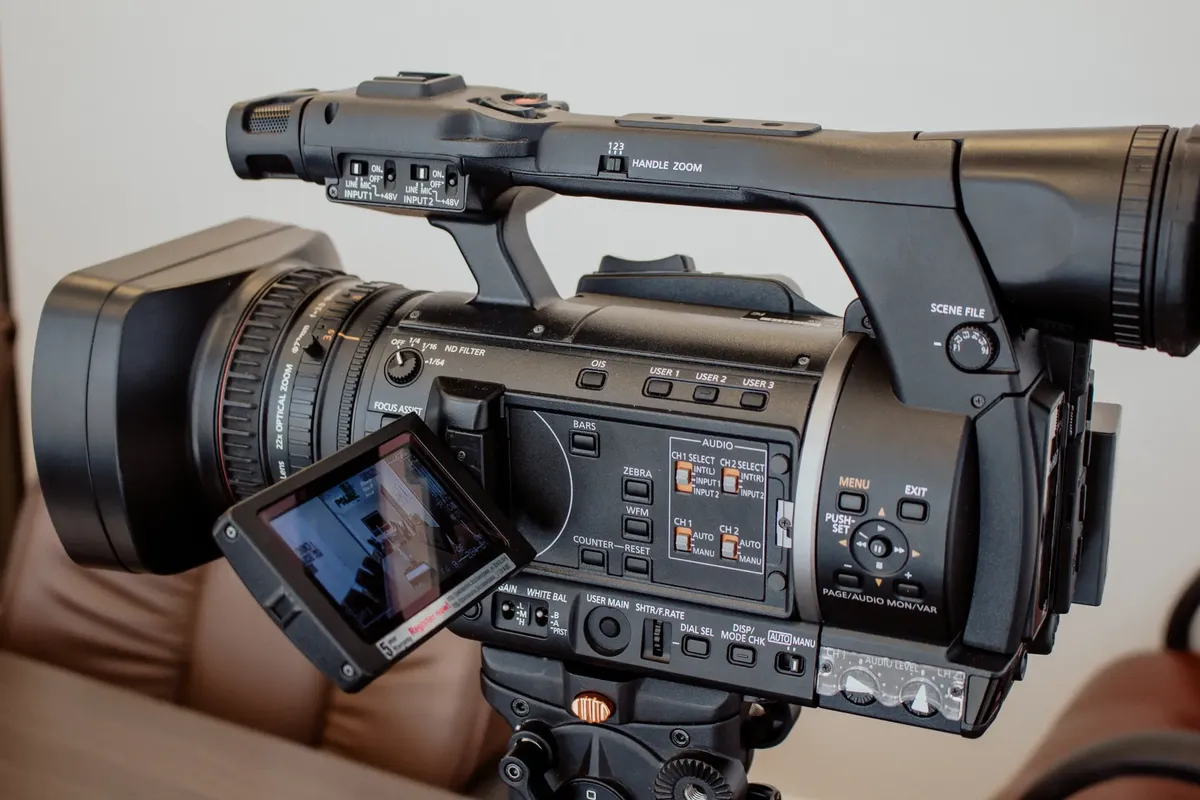
Will a lightweight camcorder deliver pro results? A videographer adjusts the focus ring on a small lens, checking the screen to ensure the composition is perfect. Professional-level results are possible even with smaller gear if you understand the technical constraints.
A lightweight camcorder can produce professional results if it features advanced sensor technology and good color science. You must ensure the device has enough manual control to handle changing environments.
The best for travel video often includes optical image stabilization to counteract the natural shakiness of handheld filming. This feature is essential when you are moving through different locations.
You should also look for features that allow for easy editing later. High-quality bitrates are important, but they require significant storage space, so plan your capacity accordingly.
How to manage easy travel video gear?
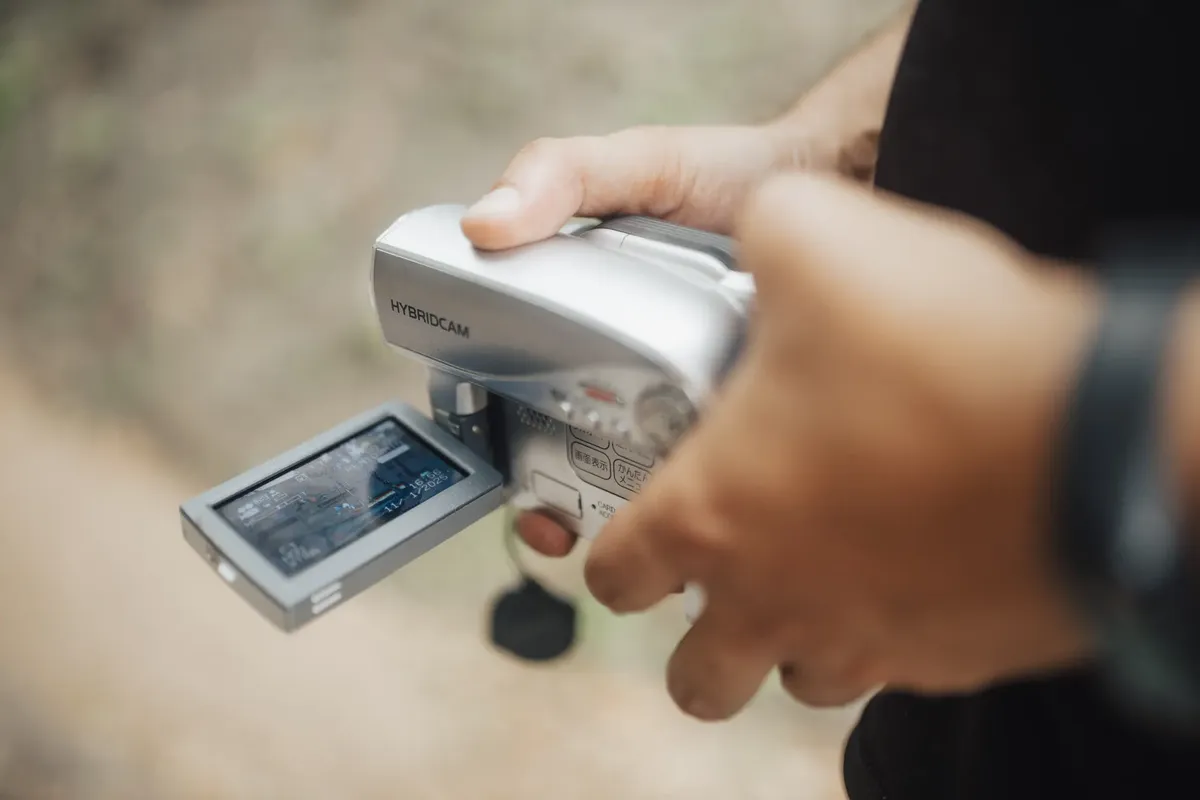
A hiker reaches a mountain peak and quickly pulls out a camera to capture the sunrise. Managing gear on the move requires a streamlined workflow to avoid technical hiccups.
Using easy travel video gear requires a clear plan for battery and memory management. You should carry extra batteries and multiple high-capacity cards to avoid being stranded without recording capability.
To keep your workflow smooth, follow these steps:
- Format your memory cards in the camera before starting a new trip to prevent file errors. 2. Organize footage into folders by date or location as soon as you reach a resting point. 3. Check the battery level regularly to ensure you have enough power for planned shots.
Always perform a final check of your storage space before heading out to a location where you cannot easily access a computer.
Comparing display technology and form factor
A designer compares two thin panels on a workbench, noting the difference in thickness and pixel density. Understanding how display advancements affect device size helps in choosing the right hardware.
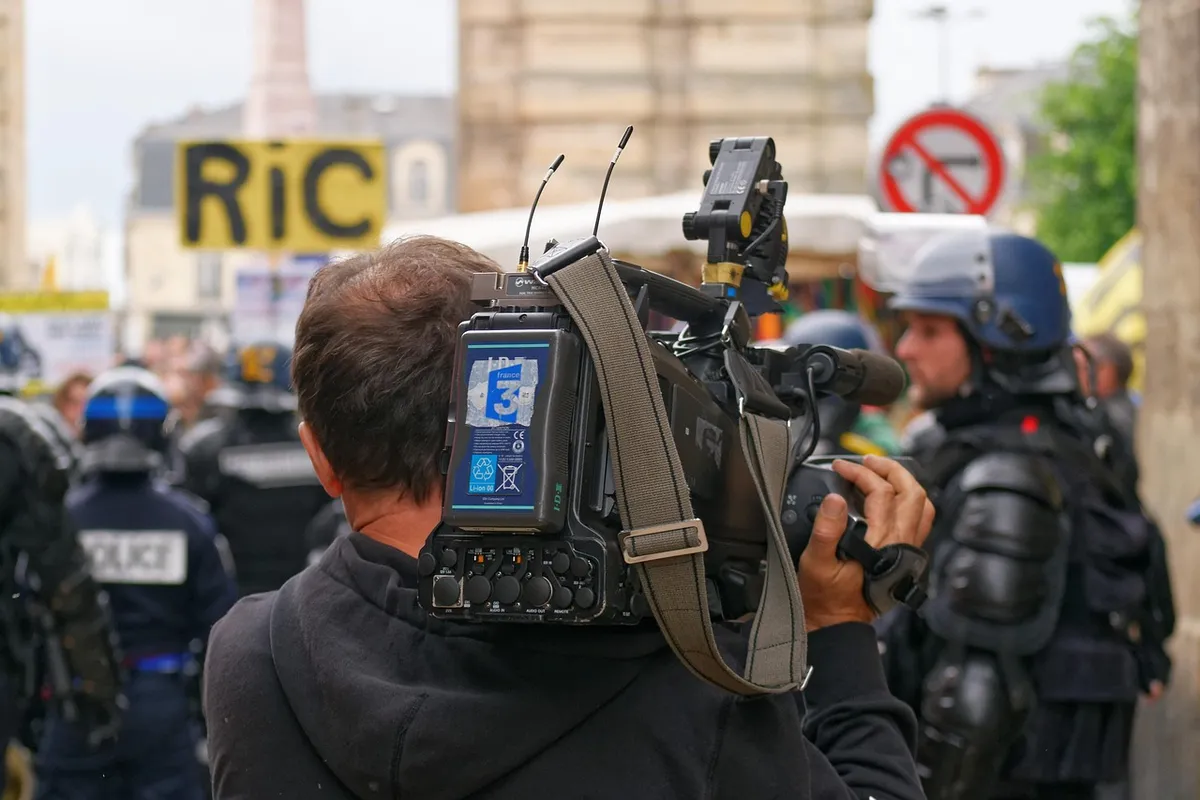
The history of display technology shows a constant move toward thinner and more efficient screens. This evolution allows for much more compact cameras.
| Feature | Description |
|---|---|
| Thinner Form Factor | Allows for more portable and ergonomic designs. |
| Brighter Image | Essential for viewing footage in bright outdoor settings. |
I remember comparing different screen types when deciding which device would best suit my travel needs.
A limitation of choosing extremely thin devices is that they may have smaller batteries, which could impact your total shooting time during long excursions.
This part also covers camcorder with large memory.
Related



Comments 0