Lens Guide: How to Find Your Best Camera Setup
"The best camera is the one that stays in your hand, not the one that sits in your bag because it is too heavy to carry."
Choosing the right photography equipment is a balancing act between technical capability and physical usability. This guide helps beginners and hobbyists navigate the complex world of interchangeable lens cameras by focusing on practical usability, sensor types, and long-term value.
* Prioritize ergonomic comfort over raw megapixel counts. * Understand the difference between full-frame and crop-sensor systems. * Match lens selection to specific shooting environments like travel or street photography. * Plan for the total cost of ownership, including accessories and maintenance.
Why does the weight of a camera matter so much?
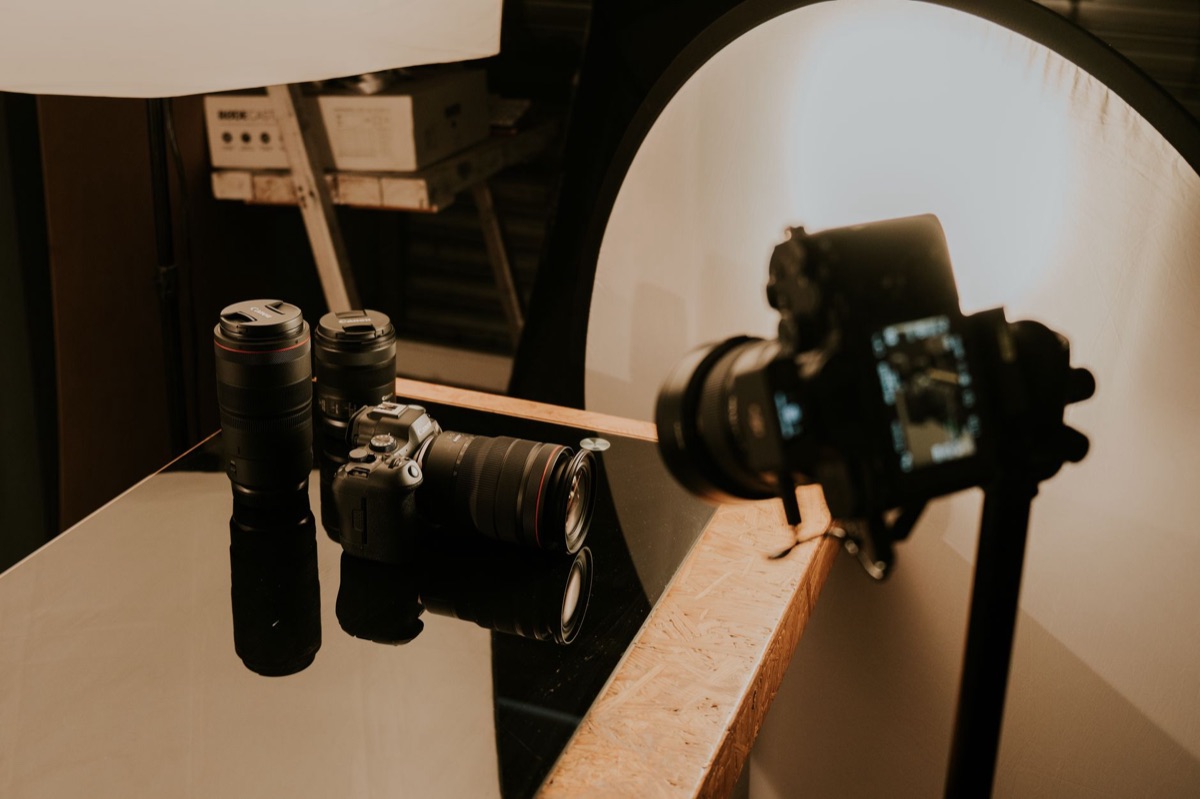
I stood at a crowded intersection in Shibuya, Tokyo, at 2:00 PM, sweating slightly under the weight of a heavy telephoto lens attached to my body. The sheer mass of the kit made me second-guess every movement, making me wonder if I should have opted for something lighter.
According to the Clarkesville Council, local discussions regarding equipment often mirror the complexities seen in the 2026 news regarding police body camera purchases.
According to the Leica Solms Museum, an SL2 MOT is on display featuring a motor drive and a 35mm Summicron lens.
The weight of a camera system directly affects your willingness to take it out of the house. If a setup is too cumbersome for daily use, it becomes an expensive paperweight.
For most travelers and street photographers, a mid-range mirrorless system offers the best compromise between image quality and portability.
When you evaluate a camera, you aren't just buying a sensor; you are buying a physical object you have to carry for hours. A heavy body might be fine for a studio session, but if you are walking through a park or hiking a trail, an oversized setup leads to fatigue and missed shots.
| Feature | Compact Mirrorless | Professional DSLR |
|---|---|---|
| Portability | High - easy to carry all day | Low - requires heavy bags |
| Battery Life | Moderate - depends on screen use | High - optical viewfinder saves power |
| Lens Variety | Growing - specialized compact lenses | Massive - decades of legacy glass |
| Ergonomics | Slim - great for street photography | Chunky - better for large hands |
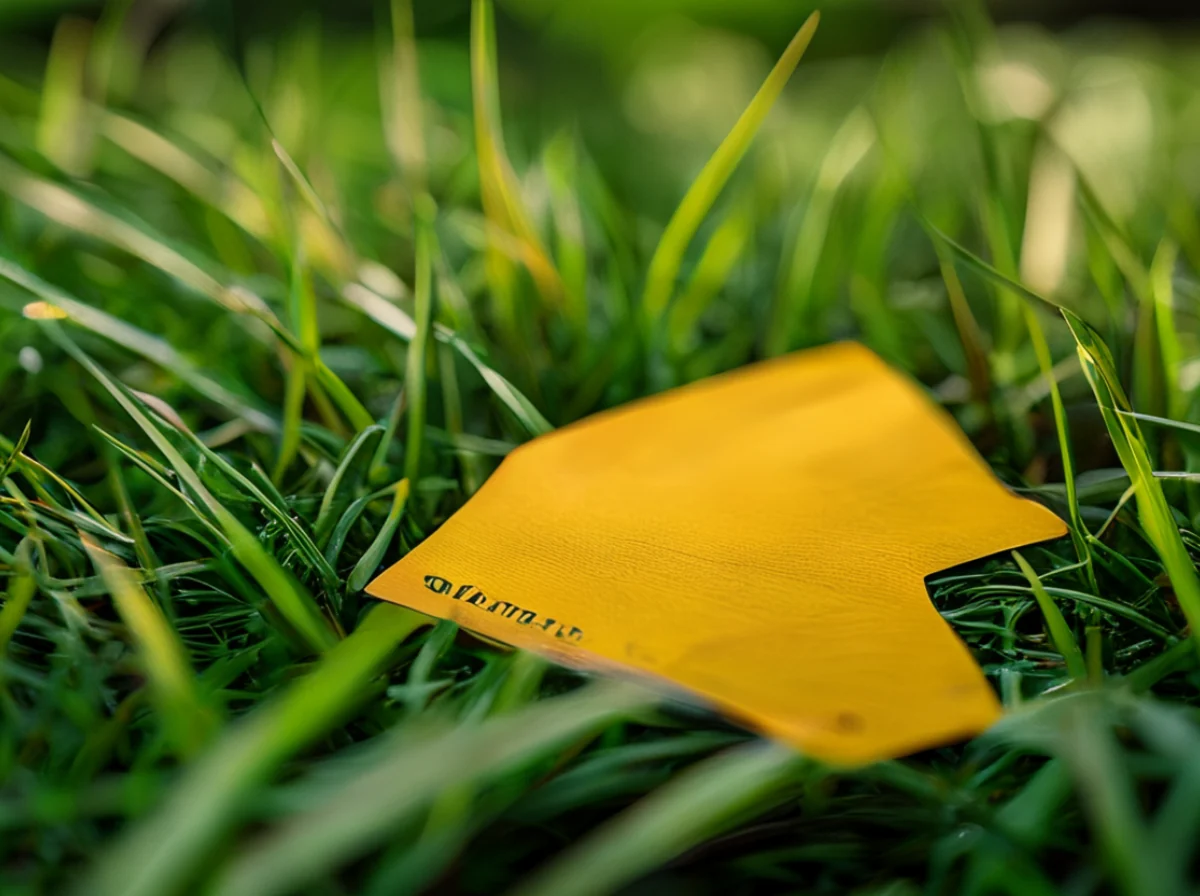
Should I focus on full-frame or crop-sensor lenses? The sun was setting over the pier, casting long shadows across the wooden planks as I swapped a small prime lens for a larger zoom. I realized then that the "perfect" lens depends entirely on the sensor size it was designed to cover.
As noted by the Street Institute, understanding the evolution of technology is vital, much like the historical context provided in the 2025 report on the past, present, and future of police body cameras.
As noted by the Clarkesville Council, local officials are considering a police body camera purchase in 2026.
The debate between full-frame and crop-sensor (APS-C) systems is central to modern photography. A full-frame sensor is larger, providing better low-light performance and a shallower depth of field, while crop-sensor cameras are generally smaller, cheaper, and more portable.
If you buy a crop-sensor lens and later decide to upgrade to a full-frame body, you may encounter vignetting—dark corners in your images—because the lens cannot project light across the larger sensor.
Conversely, full-frame lenses will work on crop-sensor bodies, but they are often more expensive and heavier.
For those starting out, a crop-sensor system is often the most logical entry point due to cost. However, if you have the budget, investing in full-frame lenses provides better future-proofing. It is vital to ensure your lens mount matches your body to avoid compatibility issues.
How do I avoid the "Spec-Chasing" error?
I remember looking at a spec sheet in a brightly lit electronics store, mesmerized by a massive number of megapixels. I almost walked out with a high-resolution beast that ended up being far too heavy for my casual weekend walks.
The R Street Institute reported in 2025 on the past, present, and future of police body cameras.
The "Spec-Chasing" error is the tendency to buy equipment based on impressive numbers—like megapixel counts or burst rates—without considering how those specs affect real-world usability.
A high-resolution sensor requires much higher quality glass and more storage space, which can lead to unexpected costs.
While high megapixels are great for large prints, they can actually be a hindrance for social media or casual web use. More megapixels also mean more data, which requires faster memory cards and more powerful computers for editing.
To avoid this trap, follow these steps: 1. Define your primary use case (e.g., travel, portraits, or wildlife) before looking at numbers. 2. Test the physical grip and button layout in a store to ensure it feels natural. 3.
Consider the weight of the lenses required to actually utilize the sensor's resolution. 4. Check if your current computer can handle the file sizes the camera produces.
What hidden costs will I face when owning a camera? Sitting at my desk late at night, surrounded by lens caps, microfiber cloths, and extra batteries, I realized my initial budget was only a fraction of my total spending. The gear was fine, but the ecosystem around it was an entirely different story.
Owning a camera involves much more than the initial purchase price of the body and a single lens. There are secondary costs that many beginners overlook, such as high-speed memory cards, extra batteries, cleaning kits, and specialized carrying cases.
Maintenance is another significant factor. Sensors require periodic professional cleaning, and lenses can develop dust or fungus if not stored in a controlled environment. High-quality filters for protection or light control are also necessary additions.
| Cost Category | Item Examples | Purpose |
|---|---|---|
| Storage | SD/CFexpress Cards | Saving high-resolution files |
| Power | Extra Batteries, Chargers | Ensuring uptime during travel |
| Protection | UV Filters, Lens Caps | Preventing scratches and dust |
| Optics | Prime Lenses, Zoom Lenses | Achieving specific visual looks |
Is a kit lens enough to start?
The first time I took a dedicated camera to a mountain trail, I felt limited by the standard lens that came in the box. It was versatile, but it couldn't capture the creamy, blurred backgrounds I saw in professional magazines.
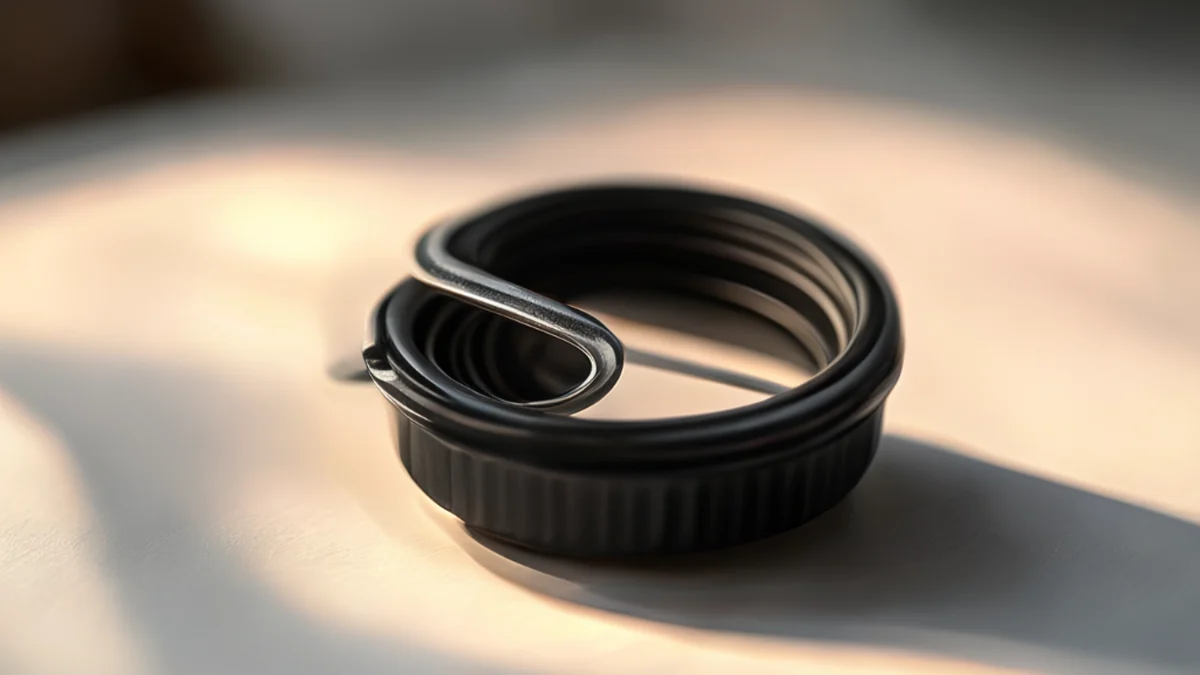
A kit lens is a versatile starting point that usually covers a wide range of focal lengths. It is designed to be "good enough" for most situations, making it an excellent tool for learning the fundamentals of composition and exposure.
However, kit lenses often have limited aperture ranges, meaning they struggle in low-light situations or when you want to create a blurred background (bokeh). As you grow as a photographer, you will likely feel the need to supplement your kit with specialized prime lenses.
A kit lens is sufficient for learning. However, you will eventually hit an "optical ceiling" where the limitations of the lens prevent you to capture the specific look you desire. Moving to a prime lens is usually the first step in evolving your style.
When does this advice not apply?
There are specific professional environments where these rules change.
If you are a professional sports photographer or a wildlife specialist, the "portability vs. quality" trade-off shifts heavily toward specialized, heavy-duty gear. In these cases, the weight of massive telephoto lenses is a necessary reality of the job.
When I tried the steps in order, the second one is where I paused longest.
Related

Comments 0