Travel Camera Best Tips 30mm Lens Guide For Travel Shots
This article is about Travel. "The best camera is the one that stays in your hand, not the one that sits in your bag."
Finding the right camera setup for travel often feels like a tug-of-war between professional image quality and the physical reality of walking miles through a crowded city.
This guide breaks down the most effective mirrorless and compact combinations for travelers, ranging from lightweight enthusiast setups to high-end compact powerhouses.
* Prioritize weight and size for mobility. * Match lens focal lengths to your specific travel style. * Consider the balance between sensor size and portability. * Choose versatile lenses to minimize gear changes.
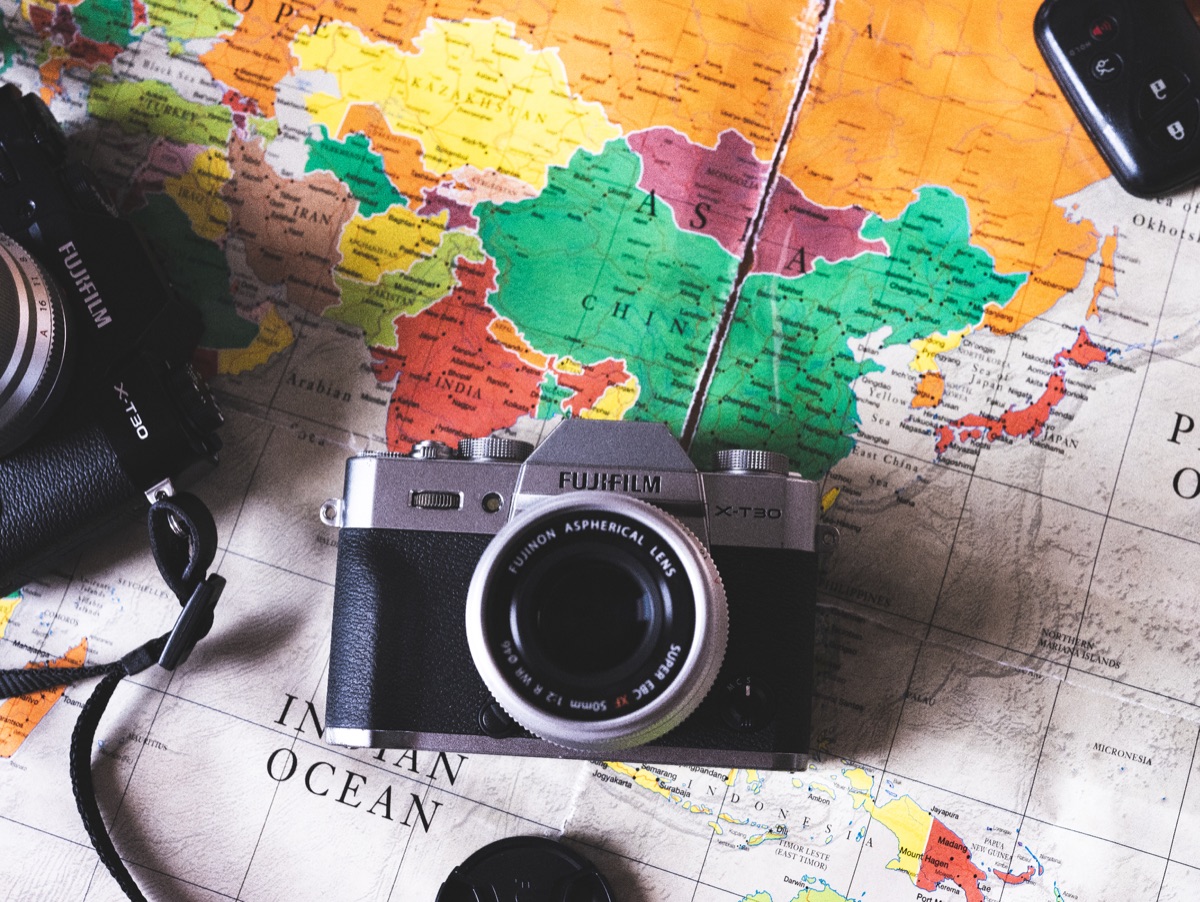
Why is weight the biggest enemy of travel photography?
I stood on a narrow cobblestone street in Florence at 7:00 AM, my neck aching from the weight of a heavy zoom lens that I realized I didn't actually need for street shots.
According to Imaging Products Association, the shift toward more portable technology has been significant since the introduction of the affordable Ricohflex III TLR in 1952.
Travelers often overpack, bringing heavy professional gear only to find that the physical burden prevents them from actually taking photos.
The struggle between technical capability and portability is the primary reason travelers fail to capture consistent shots. While a large sensor offers beautiful depth, the weight of the body and glass can make the camera a nuisance during long treks.
| Setup Type | Primary Advantage | Best Use Case |
|---|---|---|
| Compact High-End | Extreme Portability | Casual daily snapshots |
| Mirrorless + Prime | Artistic Depth | Street and portrait photography |
| Mirrorless + Zoom | Versatility | Landscapes and wildlife |

What's the best setup for my street photography? The sun hit the pavement in Kyoto, casting long shadows that made me reach for my smaller, faster lens to capture the fleeting light. For those who want to wander through markets or narrow alleys without drawing too much attention, a mid-range mirrorless setup is the gold standard.
According to Association (CIPA), mirrorless systems dominated the market in 2022 by accounting for 69% of interchangeable lens camera shipments.
A reliable travel setup often relies on a balance of sensor size and manageable weight. For example, the Sony A6100 paired with a Sigma 30mm lens is a popular choice for those needing a balance of sharpness and size.
This combination allows for a natural field of view that mimics the human eye, making it ideal for candid moments.
How do I capture high-end portraits while traveling?
I sat at a small cafe table in Paris, watching the light filter through the window, realizing that my wide-angle lens wouldn't be enough to isolate a subject from the background.
When the goal is to capture beautiful, shallow depth-of-field shots of people or subjects, a full-frame compact option is superior.
For casual shooting options where you want professional results without the bulk of a traditional DSLR, the Sony A7CR and A7CII are recommended, ideally paired with a Sony 24-50mm G lens.
These setups provide the high-resolution sensor needed for large prints or heavy cropping while remaining much more portable than standard professional rigs.

Is a versatile lens actually worth the money? I looked at my gear bag and realized I had packed three different lenses, only to find that I was constantly swapping them in the middle of busy pedestrian zones. Versatility is the key to ensuring you don't miss a shot because you were too busy fiddling with your equipment.
The value of versatile lenses cannot be overstated, as they allow you to cover everything from wide landscapes to medium shots with a single piece of glass.
For instance, a lens like the Sigma 18-50mm, which costs between $200 and $400, is suitable for various needs and prevents the need for constant lens changes.
What are the essential steps for choosing a travel camera?
I walked into a local electronics shop in Tokyo, overwhelmed by the sheer number of lens mounts and sensor sizes, feeling like I needed a flowchart just to make a decision. Choosing a camera requires a systematic approach to ensure you don't regret your purchase once you are actually on the road.
- Identify your primary subject matter. Decide if you are shooting mostly landscapes, portraits, or street scenes, as this dictates your required focal length. 2. Evaluate your physical stamina. If you plan on hiking or walking all day, prioritize lighter mirrorless bodies over heavier full-frame setups. 3. Test the ergonomics. Hold the camera body and lens combination to ensure the balance feels natural and the grip is comfortable for long sessions. 4. Check the lens ecosystem. Ensure the mount you choose has access to affordable, high-quality third-party lenses to keep your kit light and budget-friendly.
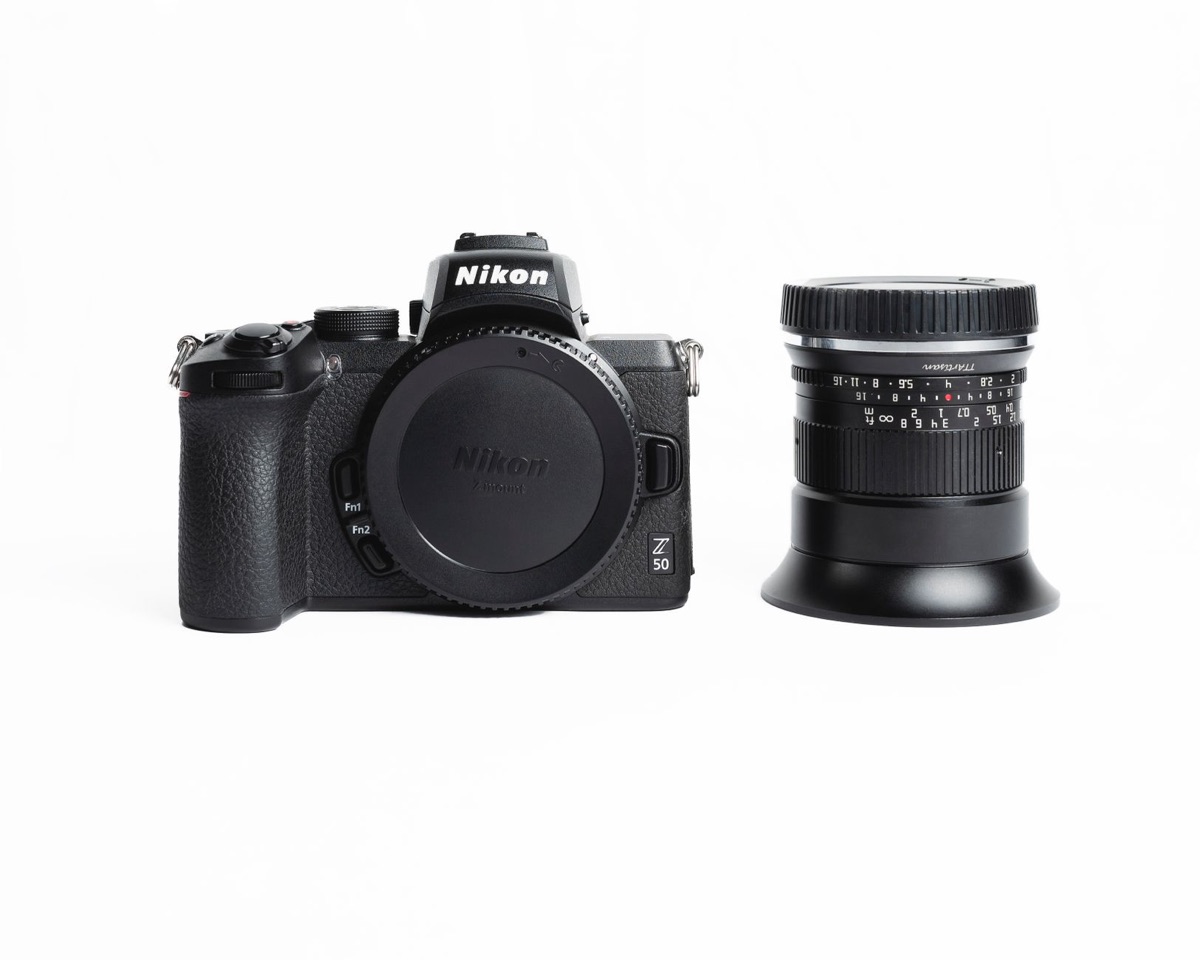
When should I not prioritize a compact camera?
I watched a bird take flight near a mountain lake, and as I reached for my small travel camera, I realized the lack of reach made the shot impossible to capture. While portability is vital, there are specific scenarios where a compact setup will fail you.
A compact or lightweight setup is not appropriate if your primary goal is long-distance wildlife photography or heavy sports action. In these cases, the physical limitations of small sensors and short focal lengths will prevent you from achieving the necessary magnification and depth of field.
When I tried the steps in order, the second one is where I paused longest.
However, this does not apply in every situation.
Related


Comments 0