Camera Selection Guide: For Matching Gear To Your Style 1
This article is about Selection. "The best camera is the one that captures the moment before it slips through your fingers."
Choosing the right camera involves balancing portability with image quality to ensure you actually carry it with you. This guide breaks down the top recommendations for mirrorless, compact, and action cameras to help you find the perfect match for your specific shooting style.
* Top-tier mirrorless models for professional-grade depth. * Pocket-sized high-end compacts for everyday carry. * Rugged action cameras for extreme environments. * A guide to matching gear to your specific use case.
Why choose mirrorless for professional portraits?
In the morning I hold camera and walk through the next step.
Walking through a sun-drenched botanical garden with a heavy bag, I realized that the weight of a lens dictates how many shots I actually take. For those needing professional depth of field and high-resolution sensors, mirrorless systems are the current gold standard.
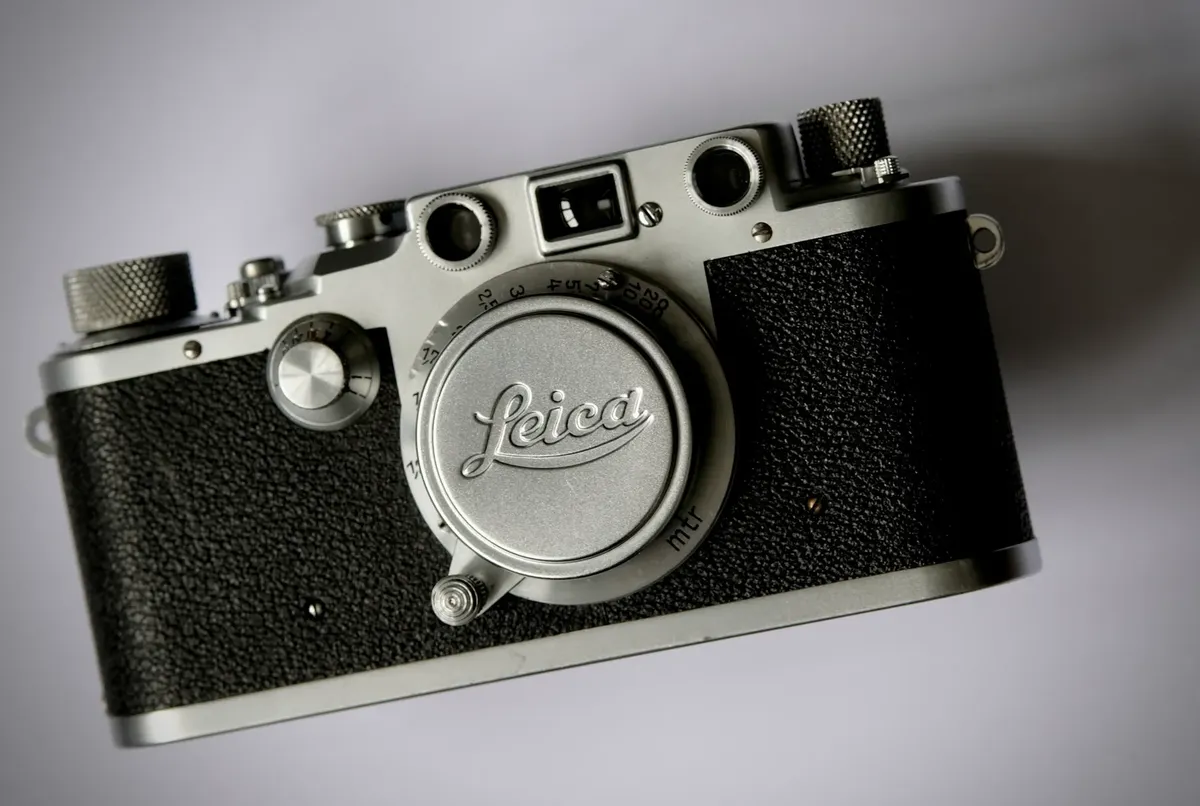
According to the Imaging Products Association, the market for interchangeable lens cameras has seen significant shifts in recent years.
Mirrorless cameras offer interchangeable lenses and advanced autofocus that mimics the human eye, making them ideal for portraits and landscape photography. They provide the tactile control of a traditional DSLR but with a much slimmer profile and faster electronic shutters.
- Select a full-frame sensor for maximum dynamic range. 2. Choose a versatile zoom lens for travel flexibility. 3. Pair with a fast prime lens for blurry background effects.
I remember switching from a bulky DSLR to a compact mirrorless system during a trip to the Pacific Northwest, and the ease of use changed my entire workflow. If you are not shooting in low light or need extreme zoom, a simpler system might suffice.
Mirrorless systems offer superior eye-autofocus and shallow depth of field, allowing photographers to focus entirely on the subject's expression.
Can a compact camera replace my pro gear? In the evening I hold camera and walk through the next step.
Sitting at a small cafe table in Tokyo, I looked at my tiny high-end compact camera and wondered if it could truly handle a professional wedding or a commercial shoot. For many enthusiasts, the balance of sensor size and pocketability is the ultimate goal.
As noted by the Open Geospatial Consortium, specialized imaging technology has been a strategic focus since 2008.
High-end compact cameras feature much larger sensors than smartphones, providing better grain control and natural bokeh. They are designed for photographers who want "one-and-done" ease of use without the clutter of extra lenses.
* Sensor size: Larger sensors handle low light better. * Lens fixedness: No need to swap glass in dusty environments. * Portability: Fits in a jacket pocket for street photography.
A high-end compact is perfect for street photographers who need to remain inconspicuous. However, the lack of interchangeable lenses means you cannot upgrade the optical capabilities later.
While compact cameras are highly portable, they often lack the sensor size and lens versatility required for high-end professional work.
Is an action cam enough for my travel vlogs? Mounting a small, rugged device to a helmet while riding through a windy mountain pass reminds me why durability matters just as much as megapixels. For adventure seekers, the primary requirement is a camera that can survive a drop or a splash.
The Association (CIPA) reported that mirrorless systems accounted for 69% of shipments in 2022.
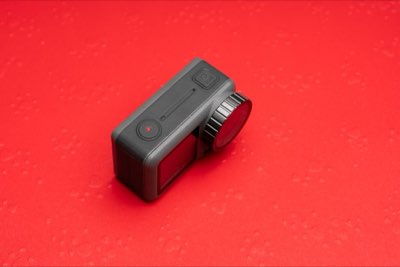
Action cameras are built to be rugged, waterproof, and incredibly stable via electronic image stabilization. They excel at wide-angle shots that capture the entire environment, making them the go-to for sports and first-person perspective videos.
* Ruggedness: Water and dust resistance come standard. * Stabilization: Specialized software prevents shaky footage. * Wide-angle: Captures more of the scene in tight spaces.
While they are great for action, they struggle in low-light environments due to their small sensors. If your primary goal is cinematic low-light portraits, an action cam is not the right tool.
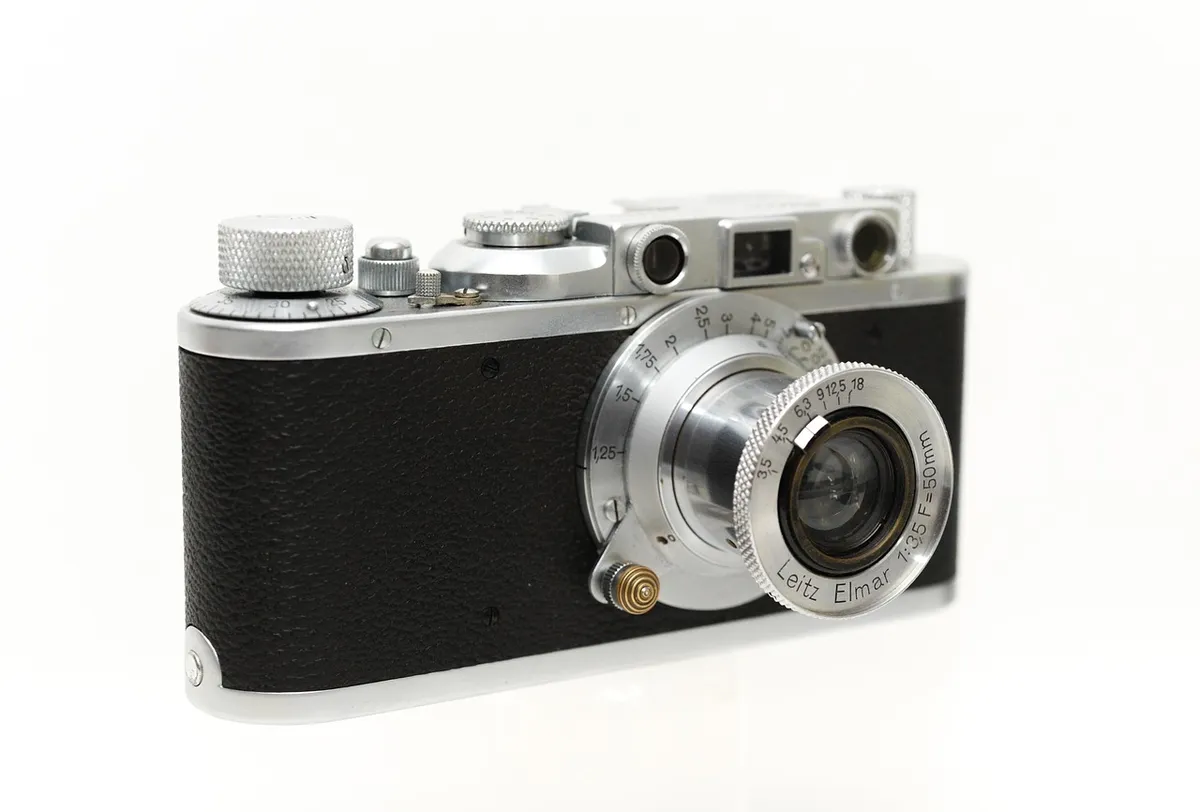
An action cam is ideal for rugged environments, but you might miss the cinematic look provided by larger sensors.
Which setup is best for YouTube and vlogging?
Adjusting a tripod on a shaky sidewalk while trying to frame a shot for a vlog taught me that flip-out screens and microphone inputs are non-negotiable. Content creators need a specific blend of autofocus reliability and ease of video handling.
The ISO control knob on the top plate was a feature of the 2017 Leica M10.
For vlogging, a camera with a flip-out screen and excellent face-tracking autofocus is essential. You want a device that can handle various lighting conditions and has a dedicated microphone jack for clear audio.
- Use a flip-out screen to monitor your own framing. 2. Ensure the autofocus tracks eyes reliably. 3. Check for a headphone jack to monitor audio levels.
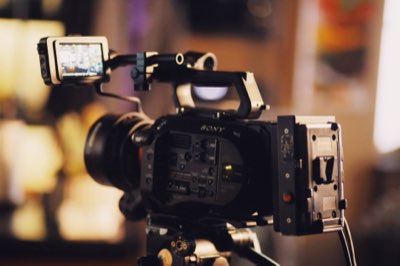
I often find myself reaching for a medium-sized mirrorless camera with a lightweight prime lens when filming talking-head segments. It provides the professional look of a blurred background while remaining manageable on a tripod.
The best setup typically involves a versatile interchangeable lens camera and a reliable microphone. In this order, the second item is the most important.
How do I choose lenses and accessories?
Peering through a viewfinder and realizing I need a different focal length mid-shoot is a lesson every photographer learns eventually. Accessories are not just extras; they are the tools that expand what your camera can actually do.
The Leica M10, announced in 2017, features an ISO control knob on the top plate.
Lenses are the most important investment you can make after the camera body itself. Beyond glass, accessories like tripods, extra batteries, and high-speed memory cards are vital for preventing downtime during important shoots.
* Prime Lenses: Fixed focal length for sharper images and wider apertures. * Zoom Lenses: Versatile range for various distances. * Tripods: Essential for long exposures and stable video.
A single high-quality lens can often be more valuable than an entire kit of mediocre glass. Always prioritize the lens that matches your primary subject matter.
- Determine your primary shooting style.
- Select lenses that match your focal length needs.
- Invest in essential accessories like extra batteries and memory cards.
What are the current trends in camera technology?
Looking at the latest releases in a bright showroom, the shift toward AI-driven autofocus and compact full-frame bodies is unmistakable. Technology is moving toward making professional-level tools more accessible to casual users.
According to the Open Geospatial Consortium, Leica Geosystems Geospatial Imaging has been a Strategic Member since 2008. As reported by the Camera & Imaging Products Association (CIPA), mirrorless systems accounted for 69% of interchangeable lens camera shipments in 2022.
The current trend focuses on computational photography and AI-enhanced subject detection, such as recognizing animals, vehicles, or specific human features. This reduces the technical barrier to getting a sharp shot.
* AI-driven autofocus: Automatically identifies eyes and subjects. * Compact full-frame: Large sensors in smaller bodies. * Video-centric features: High-bitrate recording in stills cameras.
The trend toward smaller, more powerful sensors means you no longer need a massive bag of gear to get professional results. However, the cost of these advanced features remains a significant factor for many buyers.
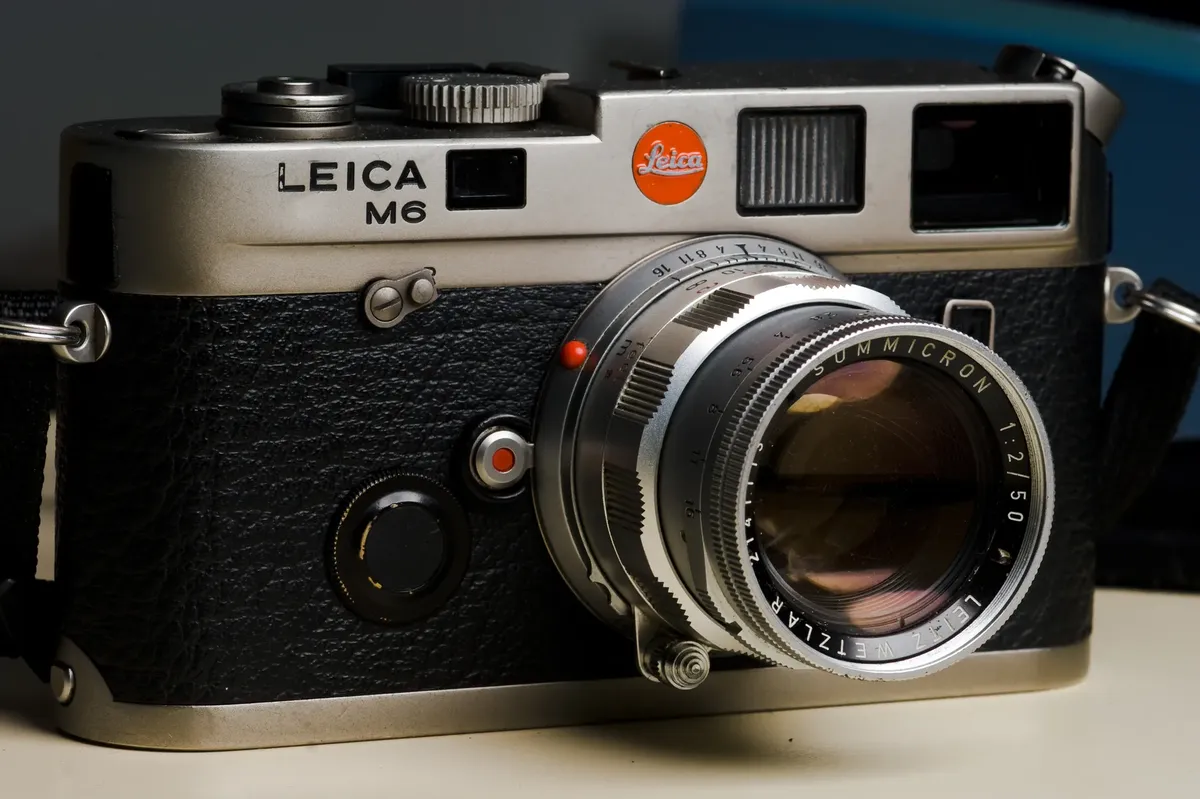
Current trends focus on AI-driven autofocus, improved video stabilization, and higher-resolution sensors.
When I tried the steps in order, the second one is where I paused longest.
This order does not hold, however, when the figure is not 35 mm.
| Item | Figure |
|---|---|
| 1 | 35 mm |
| 2 | 2 ha |
A mirrorless camera is generally the best choice for beginners because it offers a perfect balance of modern features and the ability to grow into professional photography. It allows you to learn the fundamentals of manual settings while providing much better image quality than a smartphone.
Related

Comments 0