What are the future camera features expected to dominate?
"The digital camera landscape is undergoing a fundamental shift as hardware meets intelligent software."
The 2026 camera trends indicate a move toward intelligent, integrated systems that blend high-end optics with advanced computing. This analysis covers market growth projections, the rise of AI-driven features, and the shifting preferences between compact and professional gear.
Key takeaways: 1. The global digital camera market is projected to grow at a CAGR of 4.9% from 2025 to 2031. * AI-driven technology and mirrorless dominance continue to shape the industry. * Niche markets like 360-degree cameras remain specialized but present unique opportunities.
How is the 2026 camera trends landscape shifting?
Standing in a sunlit studio at dawn, the photographer grips the cold metal of a new lens while contemplating the shifting landscape of the future.
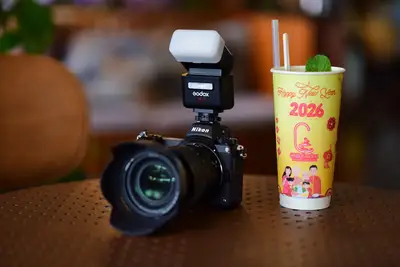
A photographer adjusts a lens setting on a sleek mirrorless body, preparing for a high-resolution shoot. The industry is moving toward specialized intelligence, where the hardware is no longer just about glass and sensors but about how those components interact with automated software.
According to Canon End Official Repair Service, questions regarding when the Canon End Official Repair Service for your gear will occur are being raised as of June 3, 2026.
The global digital camera market is expected to grow with a CAGR of 4.9% from 2025 to 2031. This growth reflects a sustained interest in capturing high-quality imagery through various specialized devices.
As the market evolves, the distinction between professional tools and consumer gadgets becomes increasingly blurred by smart features.
What are the future camera features expected to dominate?
In the quiet laboratory at midnight, the technician watches the glowing screen and touches the glass, wondering how these features will shape the future.
A technician monitors a data stream on a tablet, watching as AI-powered analytics highlight movement in a video feed. The integration of intelligence is becoming a core component of modern imaging, particularly in security and high-end professional sectors.
The AI camera technology market is experiencing explosive growth, projected to increase from $13.59 billion in 2024 to $61.73 billion by 2032, with a 20.8% CAGR. This rapid expansion suggests that next gen camera tech will rely heavily on automated recognition and processing.
These capabilities allow cameras to handle complex tasks like autofocus tracking and scene analysis with minimal human intervention.
How does next gen camera tech compare to traditional systems?
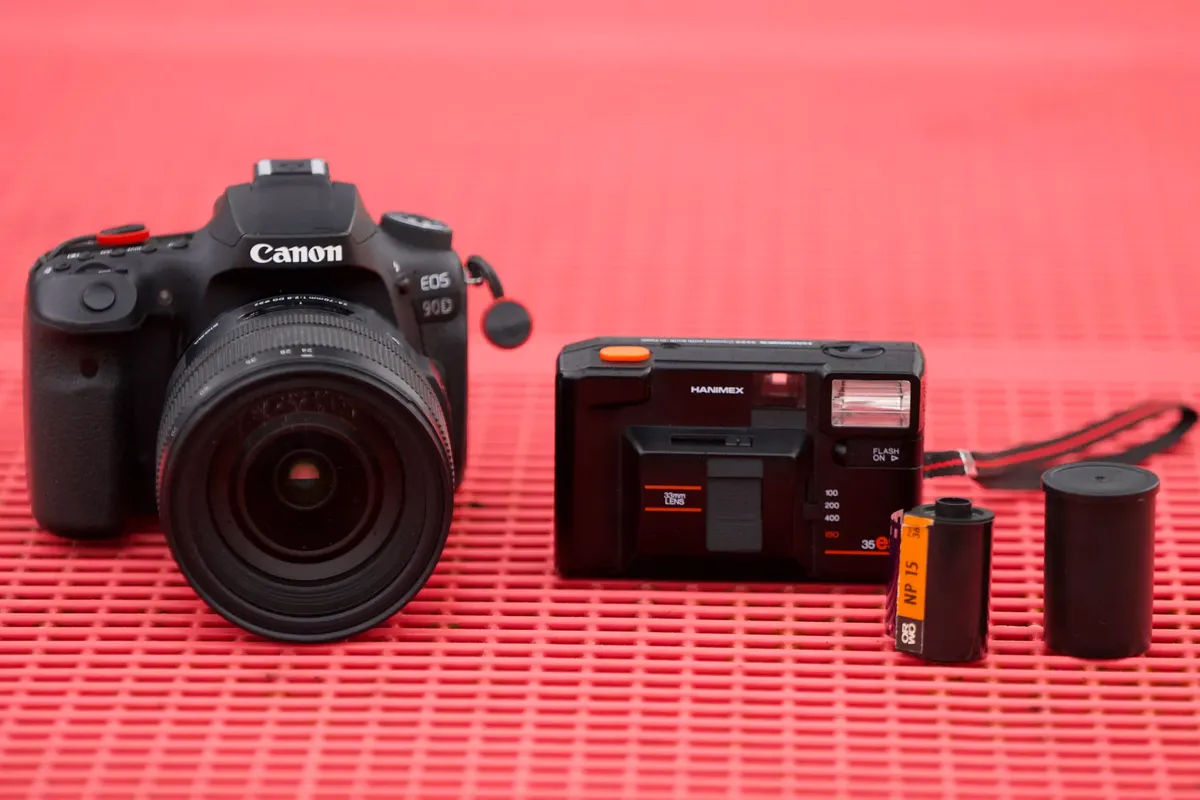
An engineer compares the weight of a compact camera to a larger DSLR, testing the ergonomics of a new prototype. Comparing different form factors reveals a tension between portability and professional capability.
| Feature Category | Growth/Market Detail |
|---|---|
| Global Digital Camera Market | 4.9% CAGR (2025-2031) |
| AI Camera Tech Market | 20.8% CAGR (2024-2032) |

The transition from older technology to these newer systems is marked by a shift toward 100% digital video systems and cloud-native solutions. While the market grows, the way users interact with the hardware changes, moving from manual controls to intelligent, automated assistance.
Why is camera evolution 2026 driven by specific market segments?
A researcher reviews market share data on a monitor, noting the steady rise of mirrorless systems. Different segments of the market are growing at different rates, driven by specific use cases and technological breakthroughs.
The mirrorless camera market is expected to continue expanding with a projected CAGR of 3.33% through 2029, reaching $2.784 billion.
This expansion follows the trend where mirrorless systems already accounted for 69% of interchangeable lens camera shipments in 2022, according to the Camera & Imaging Products Association (CIPA).
The shift toward mirrorless technology represents a move toward more versatile and efficient imaging solutions.
What is the role of connectivity in modern imaging?
A wireless signal pulses on a screen as a camera uploads a high-definition file to a remote server. Connectivity is becoming an essential pillar of the imaging experience, enabling real-time data transfer and remote management.
The high bandwidth and low latency of 5G networks are ideal for wireless and mobile surveillance systems, supporting real-time high-definition video uploads even in dense camera environments.
This connectivity supports the transition toward intelligent security platforms that utilize edge computing and cloud management. As 5G becomes more prevalent, the ability to move large files instantly will further influence camera design.
How do consumer preferences impact product design?
A customer holds a small, stylish compact camera, smiling at its lightweight feel. Despite the technological advancements, consumer sentiment regarding size and ease of use remains a significant factor in product development.

Customer feedback shows that people appreciate the convenient size (31.9%) and ease of use (19.2%) of certain models. However, certain limitations exist, such as poor indoor quality (24.5%) and camera malfunctions (20.3%).
These factors influence how manufacturers balance high-end features with the practical needs of casual users.
- How is the 2026 camera trends landscape shifting? 2. What are the future camera features expected to dominate? 3. How does next gen camera tech compare to traditional systems?
The same subject is also called new camera trends 2026.
This part also covers best camera body comparison.
This part also covers mobile vs dedicated camera.
This part also covers low light photo quality.
best camera body comparison
Related
- What is the new camera market response to compact models?
- Check 28 mm the total capacity of the SDXC or SDHC card
What challenges does the integration of intelligence present?
The shift toward intelligent digital camera systems introduces complexities regarding operational dependence and power management. While AI enhances image capture, the reliance on complex software means that hardware failure modes are now coupled with software bugs.
Users must balance the benefits of automated processing against the potential fragility of highly integrated components.
- The advanced computing required for AI scene analysis demands consistent power delivery to the digital camera body. 2. Cloud-native solutions necessitate reliable network access for optimal performance in certain applications. 3. The blurring lines between professional and consumer gear mean that durability expectations are higher across all market segments.
How does the physical form factor relate to market adoption?
The physical design of the digital camera plays a crucial role in determining its target market and acceptance rate. Compact designs appeal to casual users prioritizing portability, whereas larger formats accommodate the advanced optics needed for professional applications.
The mirrorless camera market adoption rate suggests a growing acceptance of smaller bodies capable of high-end performance. This acceptance is predicated on the successful marriage of advanced sensor technology with streamlined mechanical designs.
The physical constraints of a device influence its suitability for different imaging tasks, whether static or dynamic.




Comments 0