Check 28 mm the total capacity of the SDXC or SDHC card
"The history of video recording shows a constant shift from physical tapes to digital storage, where every new format changes how we capture our lives."
The 2026 camcorder trends reflect a move toward high-resolution single-sensor systems and advanced stabilization to meet modern visual standards. These advancements focus on balancing optical zoom capabilities with compact body designs for versatile shooting.

Key takeaways include the importance of sensor size for depth of field, the evolution of storage media, and the integration of hybrid stabilization.
What defines 2026 camcorder trends?
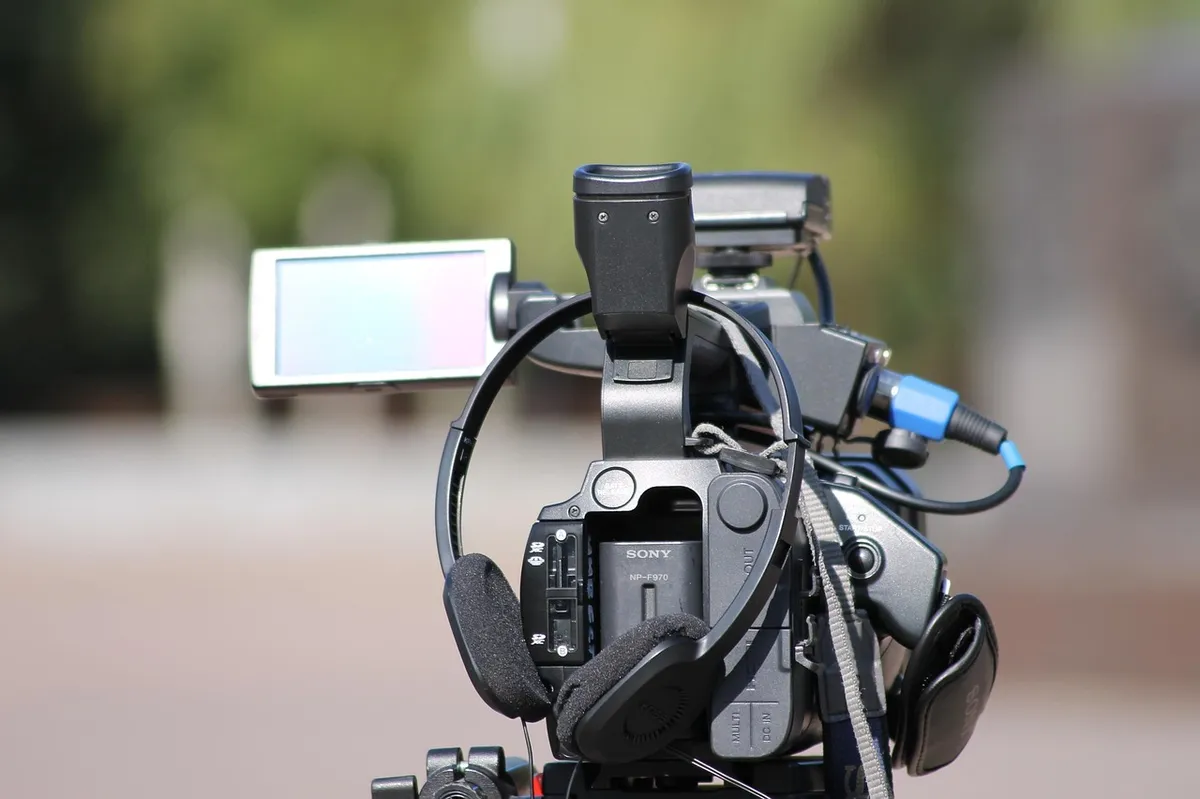
Standing on the windy pier at dusk, I reach out to check the focus ring on the sleek metallic body.
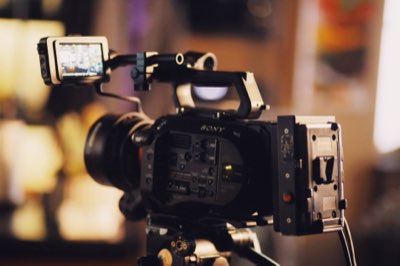
A photographer adjusts the focus ring on a sleek, metallic device while looking through the electronic viewfinder. The latest models often utilize a single sensor setup to manage high-quality captures.
One modern approach involves a single sensor paired with a 28 mm wide-angle lens. This configuration allows for a 21x optical zoom, which can be stretched to 40x through a combination of digital zoom. Such setups also incorporate Hybrid Optical Image Stabilization and support 1080/50p video.
These features ensure that even with a single sensor, the visual output remains stable and wide enough for various environments.
How do sensor sizes impact the 2026 video camera trends?
In the quiet studio, I lean forward to check the depth of field through the viewfinder as the bright light hits my eyes.
A videographer swaps a lens cap, preparing to capture a wide landscape with a large sensor. The relationship between sensor size and depth of field remains a primary driver in the latest camcorder market.
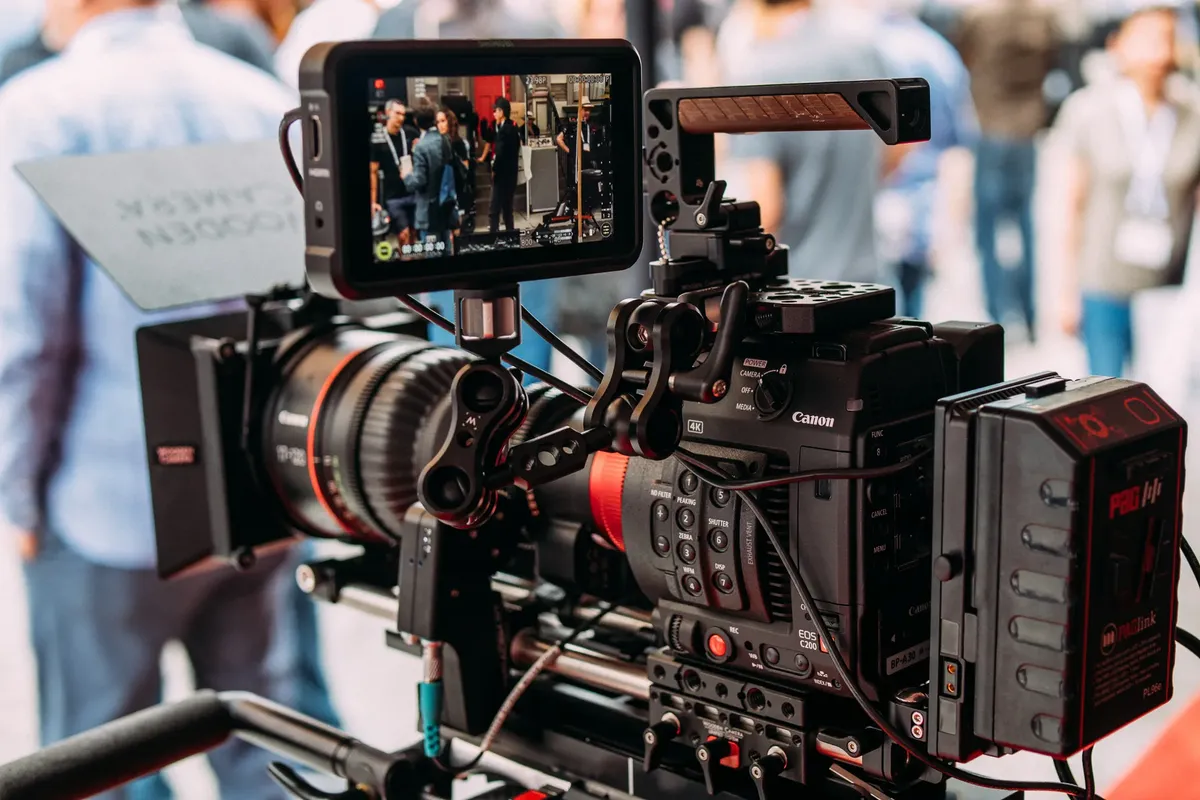
The design of certain sensors, such as a 4/3" type sensor, affords a depth of field and field of view similar to that of 35mm movie cameras. This allows for a professional cinematic look within a less expensive camera body.
While some systems use a 3CCD system with 1/3 inch sensors where each has about 520,000 photosites, larger sensors are increasingly popular for creative control.
What are the best 2026 camcorder models features regarding storage?
A user slides a small memory card into a side slot, hearing a soft click as it seats into place. Understanding storage capacity is essential for those looking at the latest camcorder 2026 specifications.
Storage requirements vary significantly based on recording modes and file sizes. For instance, a camcorder can record up to 12 hours continuously, provided that a memory card has sufficient storage space.
Some professional-grade models allow for dual SD slots, enabling recording up to 12 hours on two 64 GB SDXC cards in specific modes.
| Feature | Specification Example |
|---|---|
| Optical Zoom | 21x |
| Digital Zoom Extension | 40x |
The ability to manage massive amounts of data determines how long a user can shoot without interruption. I remember checking the storage limit on an older 4K model to see how much footage it could hold before needing a swap.
How does new camcorder tech 2026 handle zoom and stabilization?
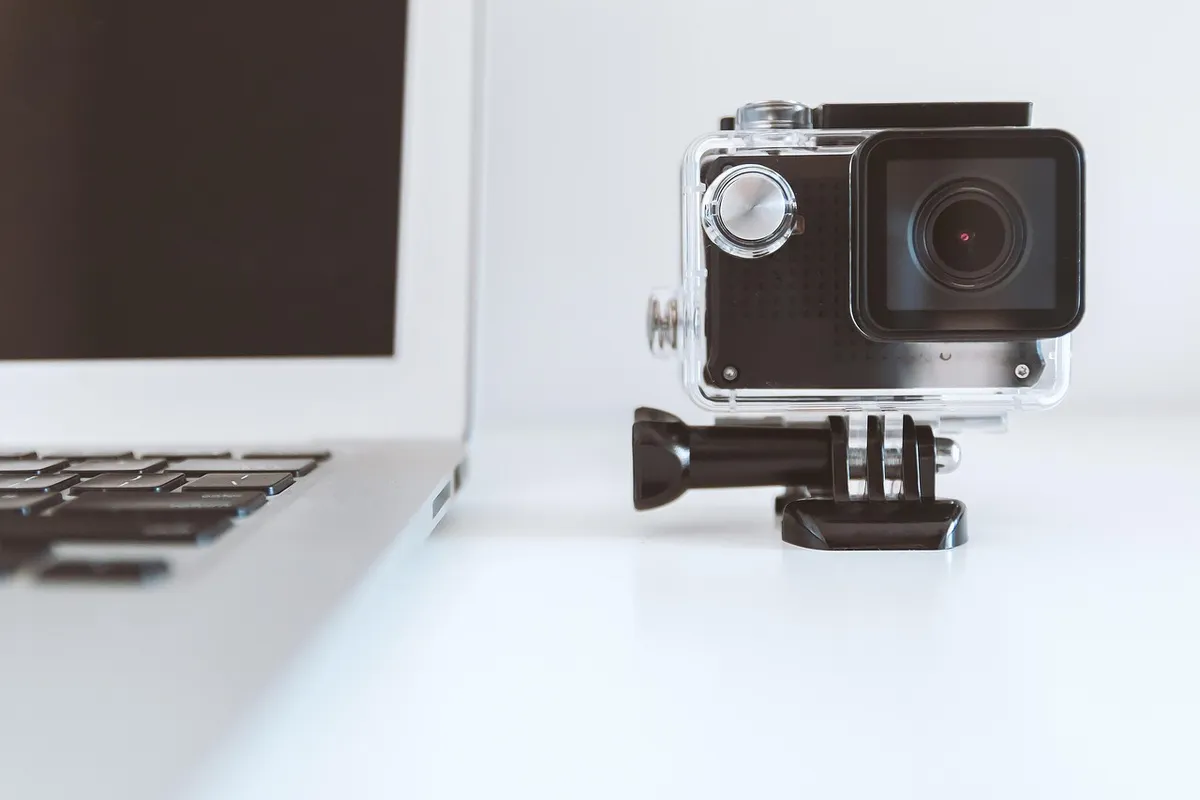
A traveler stands on a pier, pointing a long lens toward a distant boat to capture the moment. The integration of optical and digital tools defines the current era of portable filming.
The combination of a 28 mm wide-angle lens and 21x optical zoom provides a versatile range for various subjects. When the optical zoom is stretched to 40x with a combination of digital zoom, the reach becomes significant for wildlife or distant scenery.
Hybrid Optical Image Stabilization works alongside these zooms to keep the footage smooth. This ensures that the movement of the hand does not ruin the high-resolution capture.
What are the top 2026 video cameras storage limitations?
A technician inspects a tray of SD cards, organizing them by capacity. Understanding the limits of physical media is a vital part of professional preparation.
A single 8 GB SDHC card holds about 45 minutes of video recorded at the highest quality setting. This demonstrates how quickly high-quality footage can fill a card. In contrast, a camcorder can record up to 12 hours continuously, provided that a memory card has sufficient storage space.
- Check the total capacity of the SDXC or SDHC card. 2. Verify the recording mode, such as PH mode, to calculate expected run time. 3. Confirm that the card speed matches the video bitrate requirements.
I once had to manage a shoot where the storage was the only thing standing between a successful take and a lost moment. The limitation of storage depends entirely on the specific recording settings and the capacity of the chosen media.
- What defines 2026 camcorder trends?
- How do sensor sizes impact the 2026 video camera trends?
- What are the best 2026 camcorder models features regarding storage?
The subject here is 2026 camcorder trends.
The same subject is also called new camcorder trends 2026.
The same subject is also called 2026 camcorder market.
Related
- Large action cam guide: Tips for handling different hardware
- Light travel camcorder tips for mobile videographers
How does the history of video compare to modern video capture?
The history of video reveals a clear progression from bulky physical tapes to nimble digital storage mediums. Early video formats, such as the 8 mm video format from Sony, preceded the digital era significantly.
This evolution mirrors the shift from the initial physical tapes to the high-resolution digital capture of today. The constant movement toward digital storage drives the current video trends.
The early physical tapes, like those used in Betacam, represented a medium where the visual information was physically inscribed. In contrast, modern video capture relies on sensors capturing light and encoding it digitally onto memory cards.
This contrast highlights the fundamental difference between older video methods and contemporary high-fidelity recording.
This journey through the history of video underscores how each new format impacts the method of capturing visual information. The shift from analog tape to digital file addresses the limitations inherent in earlier recording technologies, including those from Kodak's 8 mm video format.


Comments 0