What equipment should I pack for extreme conditions?
"The right choice depends on the environment you face, whether you are navigating a busy city street or a remote mountain trail."
Choosing the right lens for your travels requires balancing protection and visibility. For travelers, this means prioritizing UV filtration and ensuring light transmission levels are safe for the specific lighting conditions encountered during the journey.
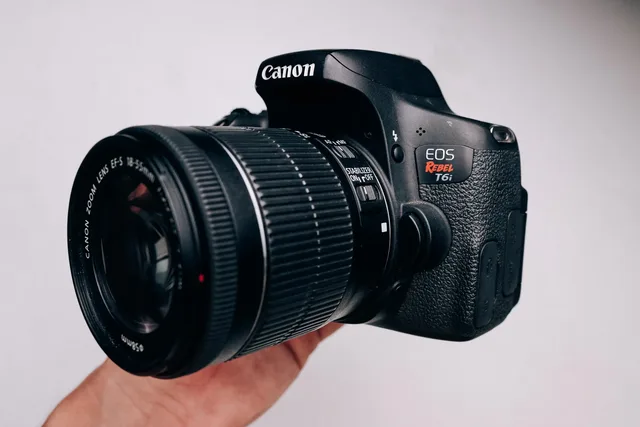
* Prioritize UV protection of 99% or more for UVA and UVB. * Verify light transmission percentages for safe driving. * Consider the weight and durability of the frame for active trips. * Avoid lenses that filter too much blue light when driving.
How do I select the best travel lens for 2026?
At sunset in the quiet park, you lift the heavy equipment and feel its weight against your palm.
A traveler packs a heavy camera bag and feels the weight of the glass in their hand. When considering the best travel lens 2026, the focus often shifts toward portability and technological compatibility.
The digital camera market has seen a significant shift toward specific systems. According to Camera & Imaging Products Association (CIPA), mirrorless systems accounted for 69% of interchangeable lens camera shipments in 2022, which was a 31% increase from the previous year.
This trend makes lens choice for trips highly dependent on the mount of your existing mirrorless body. Selecting the right optics for your journey means understanding these system requirements to ensure compatibility.
- Determine your primary photography subject.
- Assess the weight and size constraints of your luggage.
- Evaluate the focal length versatility for your destinations.
Which lenses do I need for different environments?
As the sun blazes over the coastal cliff, I grip the heavy equipment and squint against the glare. A photographer stands on a coastal cliff, adjusting the aperture as the sun hits the lens.
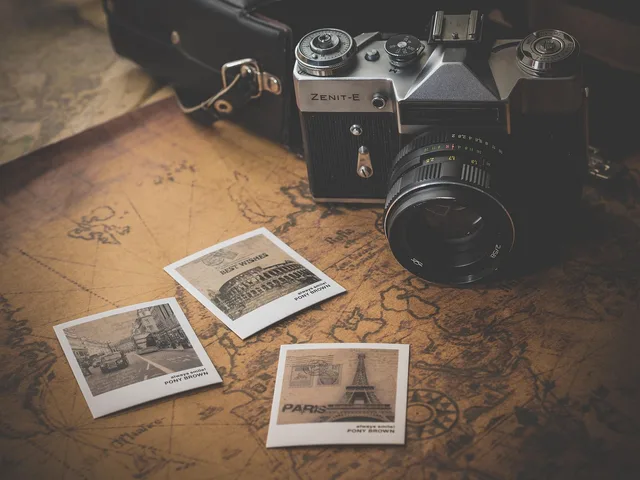
The lens selection based on considering travel settings requires looking at how light interacts with the glass.
Environmental factors dictate the level of filtration needed for your eyes or your camera sensors. For eye protection, medical experts recommend sunglasses that reflect or filter out 99% or more of UVA and UVB light. When driving, the light levels inside a vehicle are critical.
Filter category 2 lenses, which transmit between 18% and 43% of light, are recommended for daytime driving.
In this sequence, the second step is the longest.
According to The World Tourism Organization, the 2020 record includes 70%.
What gear should I pack for extreme conditions?
An explorer wipes condensation from a pair of protective eyewear while trekking through high altitudes. When deciding what to pick for travel in rugged areas, durability becomes a primary concern.
Specialized equipment is often required when standard gear fails in harsh settings. For instance, NASA has used a specific combination for its astronauts since 2002, utilizing the Titan Minimal Art frame from the Austrian company Silhouette alongside dark lenses developed with an optometrist.
This highlights how specialized design meets extreme needs.
Does light transmission affect my safety?
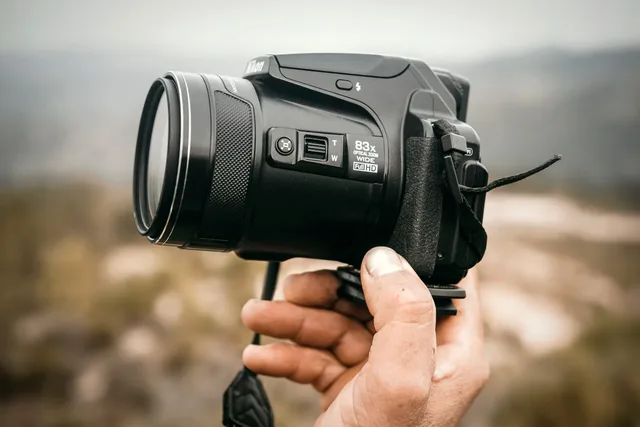
A driver grips the steering wheel, noticing how the tinted windshield changes the appearance of a red light. This specific camera gear for journeys often involves managing how much light reaches the eye.
Safety is a major factor when selecting lenses based on use. While some manufacturers design glasses to block blue light, such as the 95% minimum recommended by experts for the Swiss insurance company Suva, extreme filtration can be problematic.
In rare cases, lenses can filter out too much blue light, which can be dangerous in traffic when colored signals are not properly recognized.
| Lens Category | Light Transmission | Suitability |
|---|---|---|
| Category 2 | 18% - 43% | Recommended for daytime driving |
| Category 4 | Less than 8% | Unsuitable for driving at any time |
How do I ensure my lenses are durable?
A technician drops a small steel sphere to test the resilience of a new lens. Testing the physical integrity of your gear is a vital part of the process.
Standardized tests ensure that lenses can withstand unexpected impacts. One basic impact test involves dropping a 1 in (2.54 cm) steel ball on the lens from a height of 50 in (127 cm).
Additionally, high velocity tests involve shooting a 1/4 in (6.35 mm) steel ball at the lens at 150 ft/s (45.72 m/s).
What are the steps for evaluating lens protection?
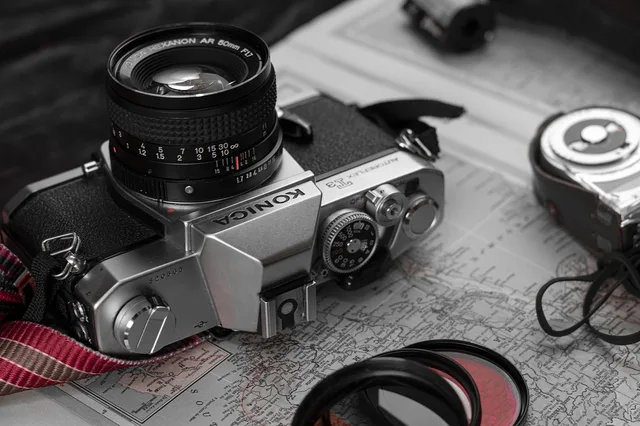
A researcher examines the transmittance of a sample through a spectrophotometer. Following a structured evaluation ensures you are prepared for the trip.
To assess a lens, follow these steps: 1. Check the UV protection level to ensure it filters 99% or more of UVA and UVB light. 2. Verify the light transmission percentage against the intended use, such as driving. 3.
Confirm that the blue light filtration does not exceed levels that would impair color recognition.
I followed these steps when comparing my previous gear to my new kit. This evaluation process is essential for ensuring safety and visibility. Note that lens suitability is not established for every possible light condition.
How can I determine if my lenses are safe for driving?
Safety depends on verifying that light transmission levels remain within the recommended range for daytime use. You must ensure that your lenses transmit between 18% and 43% of light to meet Category 2 standards.
Avoid any lenses that transmit less than 8% of light, as these are unsuitable for driving at any time.
- Check the light transmission percentage of the lens. 2. Compare the percentage to the Category 2 range of 18% to 43%. 3. Confirm the lens is not a Category 4 lens with less than 8% transmission.
When selecting the right equipment, you must avoid lenses that filter too much blue light to ensure you can recognize colored signals in traffic.

Comments 0