Large action cam guide: Tips for handling different hardware
"The shift toward more compact, high-performance systems has fundamentally changed how users approach photography."
Choosing a large action cam requires balancing sensor size, physical dimensions, and the operational needs of the user. This guide covers essential selection criteria, such as market trends in interchangeable lens systems and specific hardware design features, to help you find the right fit.
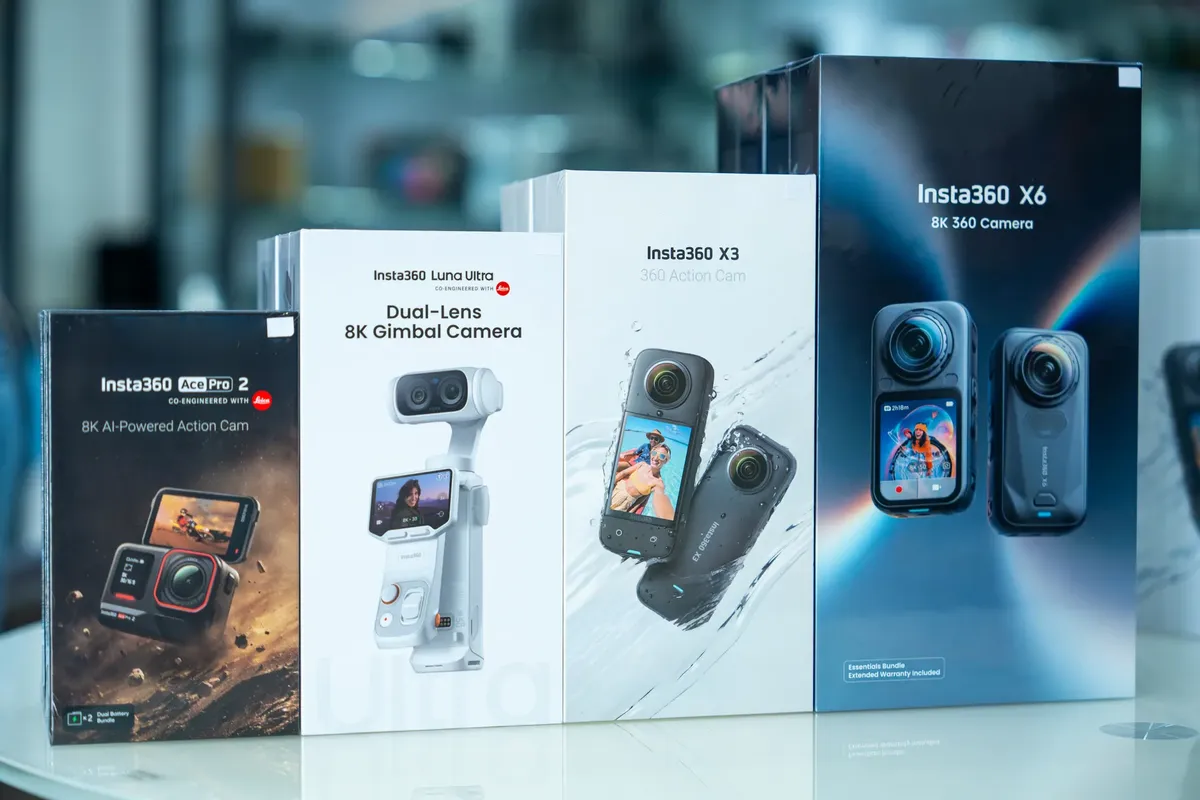
Key takeaways include understanding the dominance of mirrorless technology, evaluating physical dimensions like those found in classic rangefinder designs, and recognizing the trade-offs of larger hardware.
How to navigate the shifting camera market?
A photographer stands in a brightly lit studio, holding a heavy professional body and comparing it to a much smaller, lighter unit. The transition from traditional designs to more modern systems is evident in how users select their gear.
According to the Association (CIPA), mirrorless systems continued to dominate the digital camera market in 2022, accounting for 69% of interchangeable lens camera shipments. This represented a 31% increase from the previous year.
This trend suggests that even as devices change in size and form, the move toward versatile, interchangeable systems is a primary driver in the industry.
In this sequence, the second step is the most extensive.
What are the physical design considerations? Large action cam guide
At dusk, the designer traces the edge of a large frame, noting the cold texture of the metal.
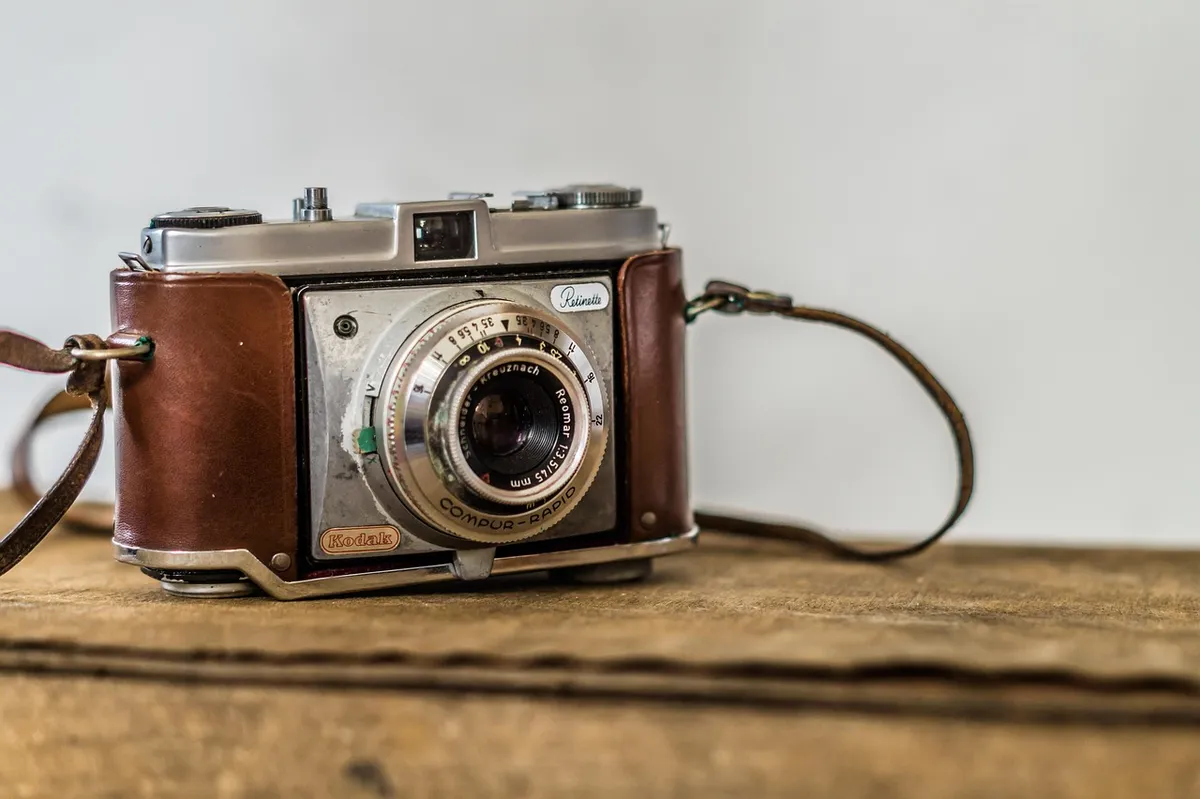
A designer traces the edge of a vintage camera, noting how the thickness of the body affects the grip and portability. When looking at larger or more specialized cameras, the physical footprint remains a critical factor for ergonomics.
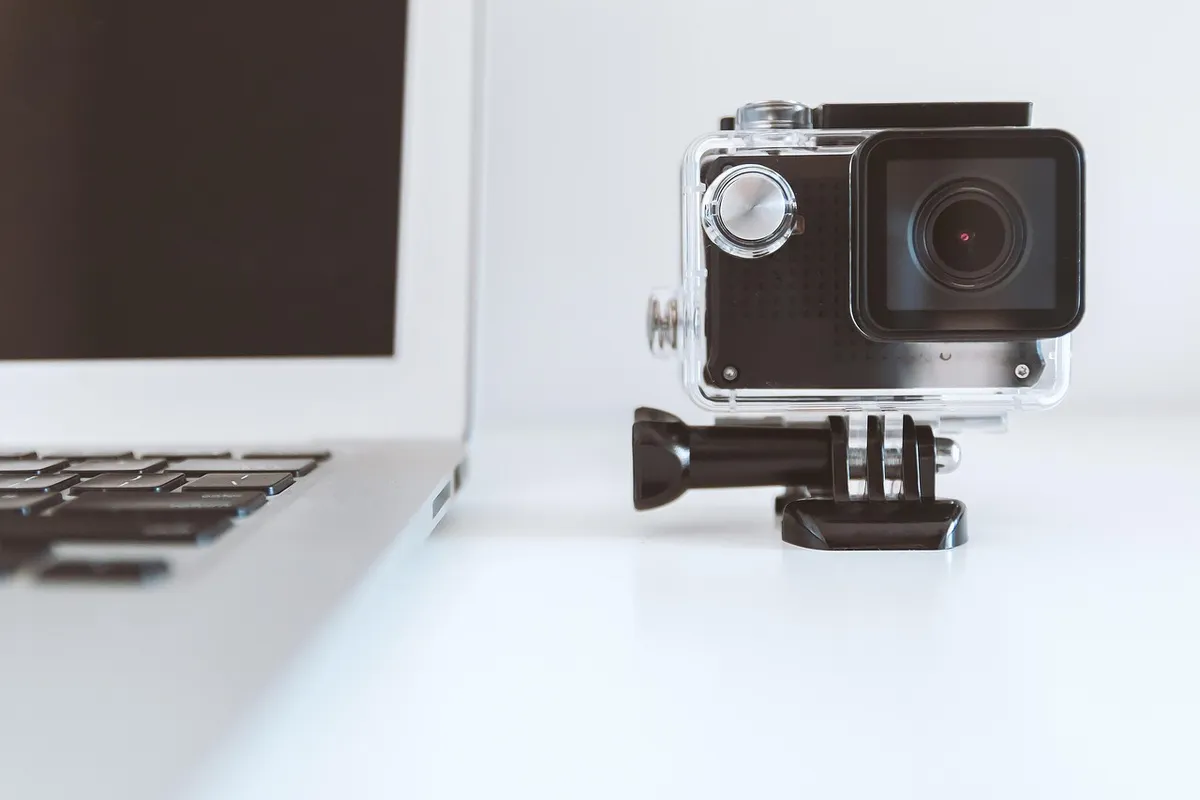
According to ISO, the Leica M10, announced in January 2017, is the slimmest digital M-camera to date with identical dimensions as the M series film cameras and features an ISO control knob on the top plate.
The Leica M10, announced in January 2017, remains an example of intentional design, serving as the slimmest digital M-camera to date. It features dimensions identical to the M series film cameras and includes an ISO control knob on the top plate.
Such design choices show how maintaining traditional dimensions can be a priority even in digital hardware.
How to handle different hardware requirements?
An enthusiast adjusts the settings on a large-bodied camera, feeling the tactile feedback of the dials under their fingers. Choosing the right hardware often involves a direct comparison between modern digital capabilities and the physical constraints of the device.
| Feature | Historical/Design Context | Market Trend Significance |
|---|---|---|
| Body Dimensions | Identical to film series (e.g., M10) | Focus on slimness and portability |
| Market Share | 69% of shipments (2022) | Dominance of mirrorless systems |
I compared these dimensional constraints to the way modern sensors fit into specialized bodies during my own gear research.
What are the steps for selecting a large camera?
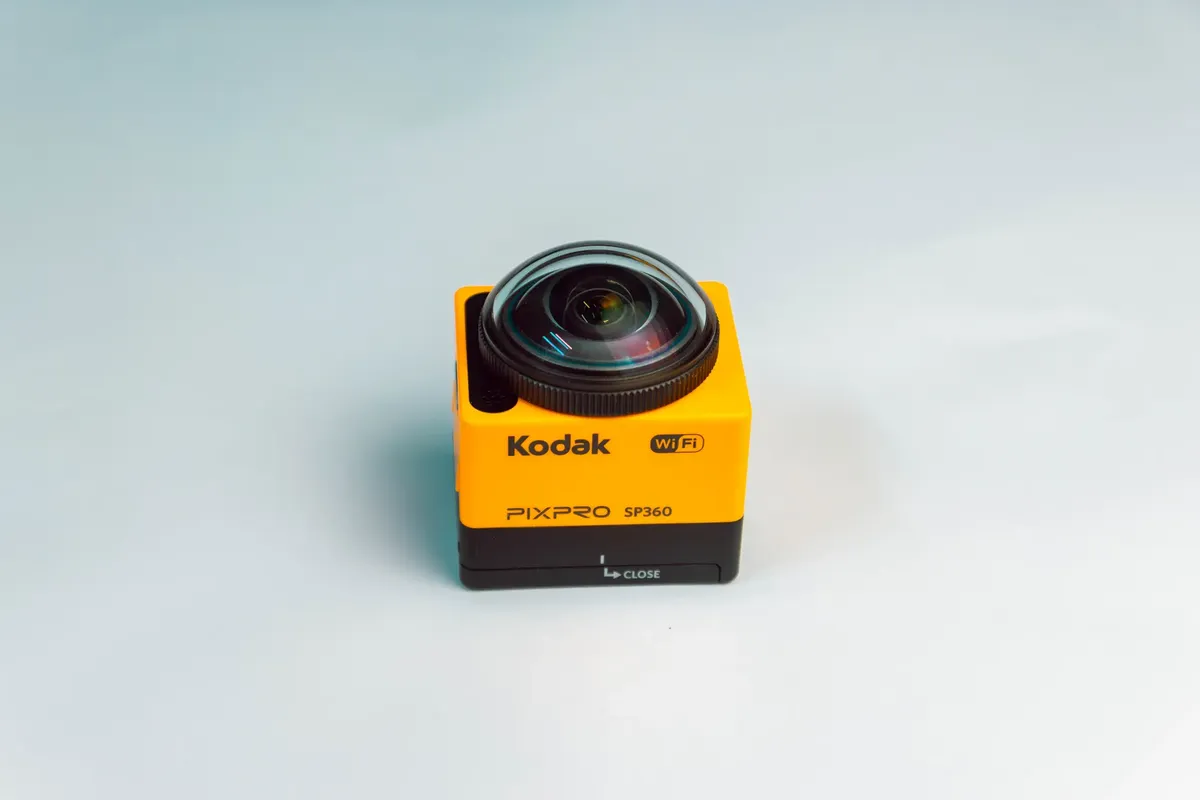
An adventurer packs a heavy-duty camera bag, carefully placing a large sensor-based camera into a padded compartment. Selecting a device that fits specific needs requires a systematic approach to ensure the hardware meets the intended use case.
- Identify the primary sensor and lens requirements to determine the necessary body size. 2. Evaluate the ergonomic features, such as control knobs or grip depth, to ensure usability. 3. Check the portability of the device against the intended environment to avoid unnecessary bulk. 4. Perform a final check to ensure the weight and dimensions align with your existing gear and travel needs.
- Assess the primary environmental conditions. 2. Evaluate the necessary sensor dimensions. 3. Verify compatibility with existing mounting hardware.
Is there a limitation to larger camera selection?
A traveler looks at a crowded market, wondering if a larger lens will fit into a small carry-on bag. Limitations often arise when the physical size of a device conflicts with its intended mobility.
The main limitation of selecting larger, specialized cameras is that the physical dimensions may restrict portability or require specific ergonomic handling. For instance, the Leica M10 was designed to keep the slimmest profile possible while maintaining classic dimensions.
- How to navigate the shifting camera market?
- What are the physical design considerations?
- How to handle different hardware requirements?
The subject here is Large action cam guide.
The same subject is also called Choosing big action cams.
The same subject is also called Large action cam criteria.
The same subject is also called Best large action cameras.
The same subject is also called Big action cam selection.
This part also covers Top large action cam models.
Related
- Why is the market shifting toward mirrorless systems?
- Light travel camcorder tips for mobile videographers
How does the body size affect the user experience?
The physical dimensions of the camera body influence how comfortably a photographer can operate the device. A body matching the thickness of classic film cameras, such as the Leica M10, provides a familiar tactile experience.
This consistency between digital and film bodies aids in the user's grasp and overall handling during shooting.
The intentional design choices made when creating the M10, which maintained its traditional profile, underscore the importance of physical continuity. This continuity allows users accustomed to older formats to transition to modern digital capture without undue physical strain.
The shift toward smaller bodies contrasts with this deliberate adherence to established dimensions.
When is portability the most pressing concern?
Portability becomes a critical factor when the intended use environment demands minimal bulk. If the intended environment is highly mobile, the weight and dimensions of the chosen camera must align with travel constraints.
This consideration is vital when comparing large sensor systems to compact bodies.
The decision to select a specific body size must weigh the sensor capability against the constraints of carrying equipment. For instance, a large sensor demanding a substantial body requires careful consideration regarding its suitability for travel.
The initial shift toward high-performance systems often necessitates compromises regarding sheer size for optimal performance.
How does the modern approach contrast with classic constraints?
The modern approach acknowledges the fundamental trade-off between achieving peak performance and maintaining a small physical presence. The classic constraints, exemplified by the M10's adherence to film body dimensions, prioritize a specific tactile experience.
This contrast highlights that while modern technology allows for high performance in small packages, achieving that same high performance often necessitates embracing the physical scale of older, larger formats.
The shift toward high-performance systems requires acknowledging this inherent tension between scale and capability.
Therefore, the selection process must weigh the desire for cutting-edge digital capability against the comfort derived from established, predictable physical proportions.



Comments 0