Action cam weight guide: Mobility vs battery life tips
"A heavy camera in your hand feels like a tool, but a light camera feels like an extension of your own body."
Choosing the right weight for an action cam depends entirely on your intended activity, whether you are trekking through mountains or filming casual vlogs. This guide helps you navigate the trade-offs between portability and battery life to find your ideal balance.
Key takeaways include understanding how mass affects mounting stability, managing physical fatigue during long shoots, and recognizing that lighter models often prioritize mobility over extended power.
Why does an action cam weight guide matter for travelers?

At sunrise on the dusty trail, I pull the lightweight device from my pack and feel the ease of its action against my palm.
A traveler reaches into a backpack to grab a small, lightweight device before heading out on a trail. Selecting a device based on its mass ensures you can carry it all day without unnecessary fatigue.
When you consider the weight of your gear, you are essentially deciding between mobility and battery capacity. A lighter unit is easier to mount on helmets or chest straps, reducing the physical strain during high-motion activities.
However, much of that mass in larger models is dedicated to larger batteries or ruggedized shells. Finding the right balance means matching the device's weight to your specific movement style.
Minimizing bulk helps prevent fatigue during long treks and ensures your gear fits easily into small carry-on bags.
How to handle choosing cam by weight for sports?
As I grip the rugged housing during a sudden jump, the heavy weight of the camera influences every quick action of my hands.
An athlete grips a rugged camera, feeling the substantial housing designed to withstand impacts. For high-intensity sports, the weight of the device influences how much it shakes during movement.
The stability of your footage often depends on how securely the camera can be attached to your body or equipment. Choosing cam by weight requires an understanding of mounting limits; a heavy camera might slip from a standard head mount during a jump.
Conversely, a weight that is too low might indicate a lack of stabilization hardware or a smaller battery. You must decide if the extra ounces are worth the trade-off in capture time.
- Assess the intensity of your physical activity to determine the impact of inertia.
- Select a lightweight body to minimize the risk of gear shifting during sudden movements.
- Choose robust mounting hardware that can support the specific mass of your chosen camera.
What mounting options work best for different weights? A hiker attaches a small camera to a thin tripod, feeling the light weight make the setup effortless. The relationship between the device and its mount is a critical factor in successful filming.
Mounting options by mass vary significantly, as different rigs have specific weight capacities. If you use a gimbal, a heavier camera provides more stability but drains the gimbal's battery much faster. If you use a small adhesive mount, a lighter camera is much safer to prevent accidental falls.
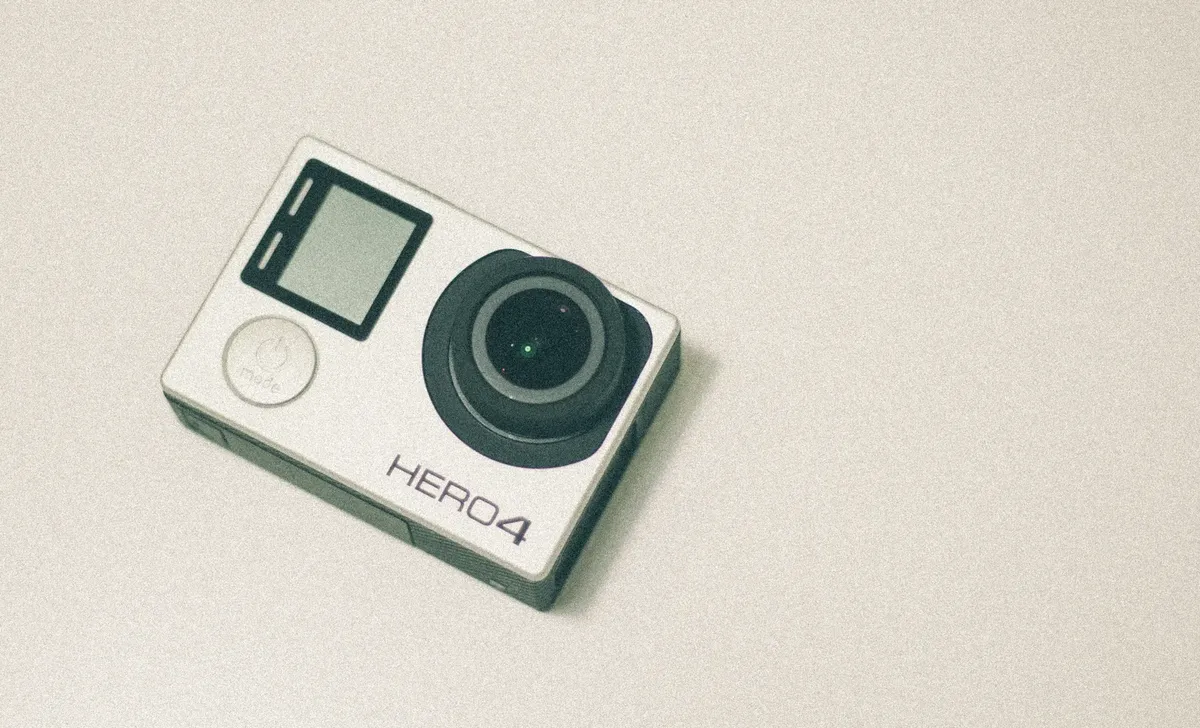
Always check the weight limit of your accessories before committing to a specific model.
Heavier cameras require more rigid mounts to prevent vibration, while lighter models allow for more versatile, slim-profile attachments.
How much weight can I sacrifice for better performance? A vlogger holds a compact camera at arm's length, noticing how the light weight prevents wrist strain during a long walk. For creators who film themselves, the sensation of the device in hand is a primary concern.
A weight vs performance review often highlights the tension between sensor size and portability. Larger sensors generally require more substantial bodies, which can be cumbersome for handheld vlogging.
For those who need to film for hours, a slightly heavier camera might offer the necessary battery life to avoid mid-day charging. You must weigh the ease of one-handed operation against the need for professional-grade image quality.
In this order, the second step is the longest.
Is there an ideal cam weight match for every user?
A person sits at a desk, comparing two different sized cameras to see which fits their travel kit better. There is no single perfect weight, but there is a perfect fit for your specific lifestyle.
According to the Imaging Products Association, mirrorless systems accounted for 69% of interchangeable lens camera shipments in 2022, representing a 31% increase from the previous year.
As reported by the Association (CIPA), mirrorless systems continued to dominate the digital camera market in 2022, accounting for 69% of interchangeable lens camera shipments—a 31% increase from the previous year.
An ideal cam weight match is subjective and changes based on your environment. If you are an underwater diver, a slightly heavier, waterproof-sealed body might be necessary for durability. If you are a casual hiker, a featherweight model might be the best companion.
Your specific use case dictates whether weight is a burden or a necessary component of the tool.
The ideal weight depends entirely on whether you prioritize long-term comfort or advanced sensor capabilities.
How to choose between light vs heavy cam bodies?
A photographer looks at a heavy-duty camera and a slim-profile model, weighing the pros and cons of each. The choice between different body types defines your shooting experience.
When deciding between light vs heavy cam bodies, consider your primary environment. Heavy bodies often provide better thermal management and longer runtimes, making them better for long-form recording.
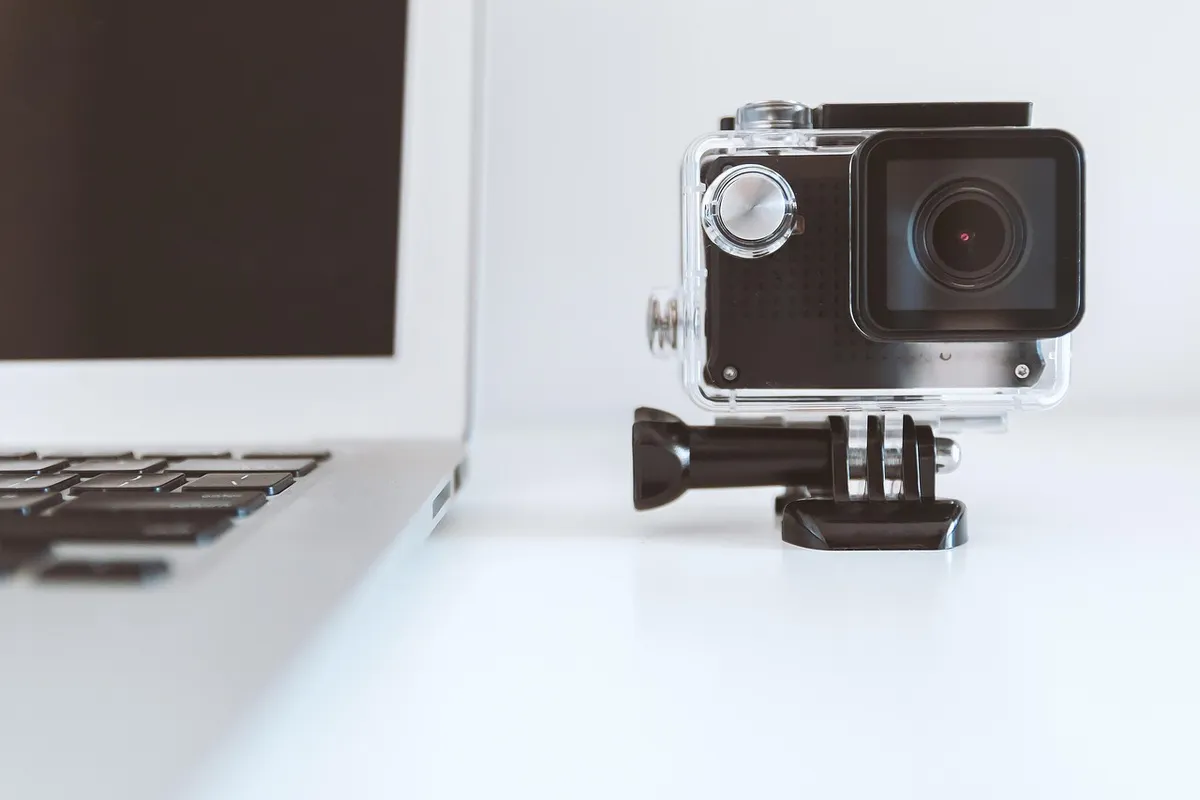
Light bodies are designed for "grab-and-go" moments where speed and discretion are more important than raw specs. I once found that a lighter model was much easier to use during long walks, though it required more frequent battery swaps.
Comparison of Weight Factors
| Feature | Light Body Focus | Heavy Body Focus |
|---|---|---|
| Primary Benefit | High Portability | Extended Battery/Durability |
| Main Constraint | Battery Capacity | Physical Fatigue |
Opt for light bodies for portability and heavy bodies when you need larger batteries and more advanced stabilization hardware.
The subject here is Action cam weight guide.
The same subject is also called Best action cam weight.
The same subject is also called Action cam weight factor.
Related
- Large action cam guide: Tips for handling different hardware
- Why is the market shifting toward mirrorless systems?
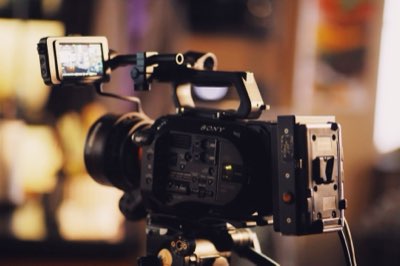
When is a heavy camera justified? When the activity demands extreme resilience, a heavy camera becomes a necessary piece of protective gear. This substantial build quality suggests the device is engineered to survive rigorous conditions.
For instance, in deep-sea exploration or extreme weather scenarios, the mass of the housing contributes to its ability to resist pressures and impacts. This robust nature means the heavy camera is built not just to record, but to endure the environment itself.
Conversely, if the journey requires constant movement and minimal bulk, the advantages of a lighter camera body become apparent, allowing for greater freedom of movement during the shoot.



Comments 0