How can you manage a small body video capture workflow?
"The best travel camera is defined not by its maximum resolution, but by how its sensor and lens combination balances portability with image quality in unpredictable environments."
Choosing the right gear involves understanding the trade-off between sensor size and pixel count to ensure your equipment remains functional while traveling. This 2026 travel camera guide examines how hardware specifications impact your photography during trips.
You will learn why mirrorless systems are the current standard, how to manage weight with compact lenses, and how to balance sensor dimensions against resolution.
Why should you prioritize sensor size over megapixels for a 2026 travel camera guide?
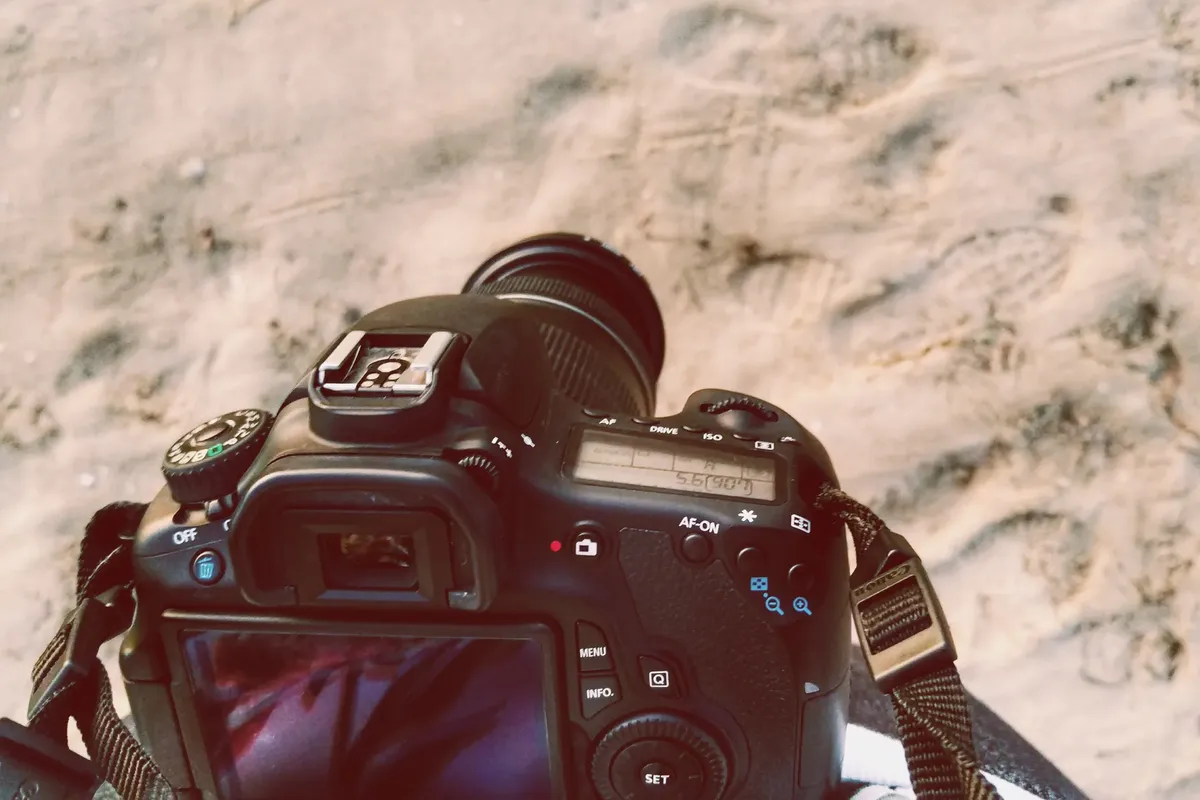
At sunset in the dimming plaza, you grip the heavy camera and realize you must manage the grainy shadows by choosing a larger sensor.
The balance between sensor dimensions and pixel count determines the overall quality of your travel photography. While high megapixel counts allow for larger prints, the physical size of the sensor dictates light sensitivity and depth of field.
According to The World Tourism Organization, there was a 70% decrease in international travel in 2020, where 165 of 217 worldwide destinations completely stopped international tourism by April 2020.
A larger sensor can capture more light, which is essential when you are shooting in low-light environments like museums or during evening city walks. When you prioritize sensor size, you often gain better dynamic range and less digital noise compared to smaller sensors with high pixel counts.
If you choose a camera with a very small sensor, you may struggle with graininess in dim settings. Conversely, a high-resolution sensor with tiny pixels can lead to more noise if the sensor size is not sufficiently large to support them.
How do mirrorless systems change the camera choice for travel?
While walking through the crowded market at noon, you shrug your shoulders and realize how easily you manage the light weight of your mirrorless kit.
Mirrorless systems have revolutionized how photographers approach mobility and image quality. According to the Camera & Imaging Products Association (CIPA), in 2022, mirrorless systems accounted for 69% of interchangeable lens camera shipments, representing a 31% increase from the previous year.
As reported by the WTO, there was a 70% decrease in international travel in 2020, where 165 of 217 worldwide destinations saw international tourism stop by April 2020.
The shift toward mirrorless technology allows for a more streamlined pre-trip gear review because the lack of a mirror box enables smaller, lighter bodies. This reduction in bulk makes it easier to carry professional-grade equipment during long days of exploration.
Because the optical path is shorter, manufacturers can produce much thinner lenses. This characteristic is vital for travelers who need to move quickly between locations without being weighed down by heavy gear.
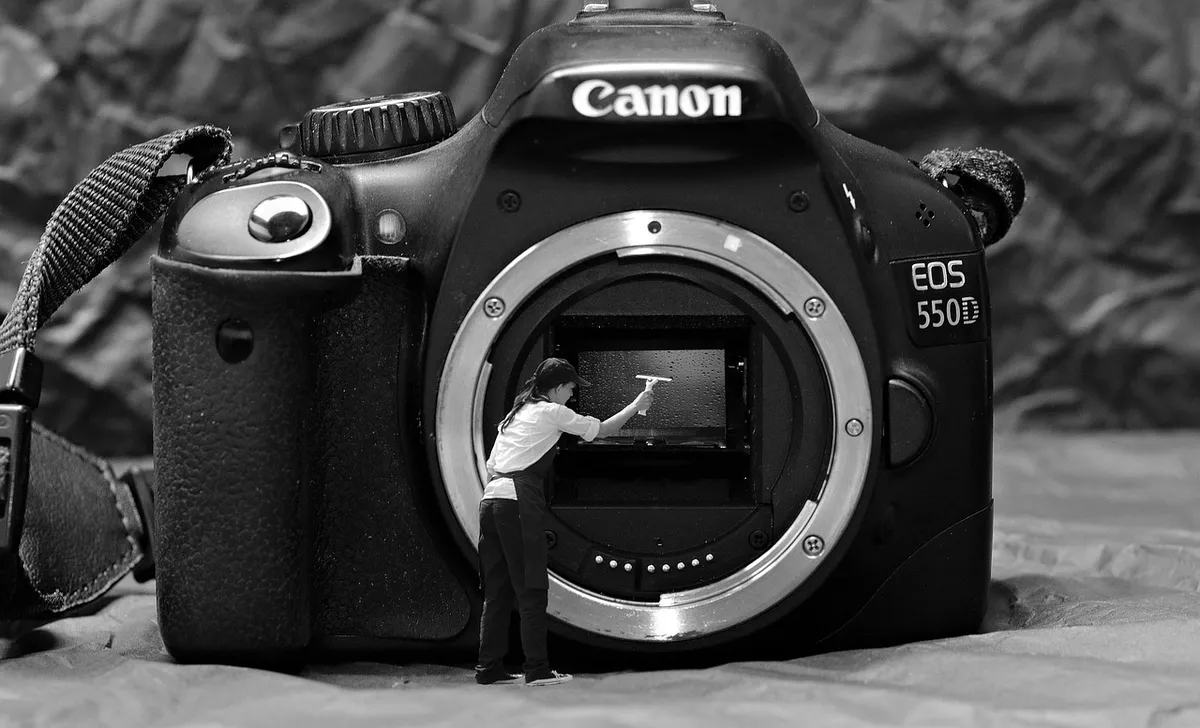
According to The World Tourism Organization, international travel saw a 70 percent decrease in 2020.
What are the benefits of using pancake lenses for a best camera gear setup?
Compactness is a primary concern when selecting gear, and using specialized lenses can significantly reduce the footprint of your kit. Some manual focus options, such as the Voigtländer 40mm f/2 or the 7Artisans 35mm f/5.6, serve as tiny and lightweight "pancake" lenses.
Using these lenses allows you to maintain a professional-looking setup while keeping the camera pocketable or easy to slip into a small bag. This makes them ideal for street photography or casual sightseeing where a bulky setup might feel intrusive.
I once found that a smaller lens made the transition from walking to shooting much more seamless. These compact optics provide a perfect balance for those who need a travel camera specs 2026 solution that does not sacrifice much in terms of focal length or aperture.
How can you manage a small body video capture workflow?
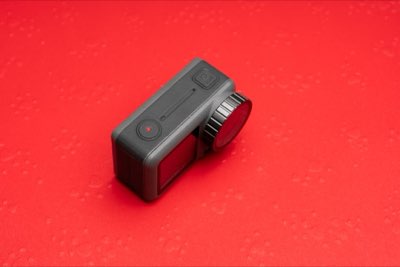
Managing a small body video capture session requires careful planning regarding storage, battery life, and heat dissipation. Since smaller cameras have less internal volume, you must be mindful of how much you can record before needing to swap batteries or clear cards.
When setting camera equipment for video, consider the following steps to maintain a smooth workflow:
- Select high-speed memory cards that can handle the data rates required by your sensor's resolution. 2. Use a compact prime lens to maintain a consistent focal length and minimize weight during handheld filming. 3. Regularly check battery levels, as smaller mirrorless bodies often have limited power capacity compared to larger DSLRs.
A final check of your storage capacity and battery life before leaving your hotel can prevent losing precious moments. This discipline ensures that your gear remains an asset rather than a distraction during your travels.
What are the limitations of high-resolution small sensors?
High-resolution sensors can sometimes lead to diminishing returns if the physical sensor size is too small to support the pixel density. While more megapixels suggest more detail, the individual pixels must be large enough to capture sufficient light.
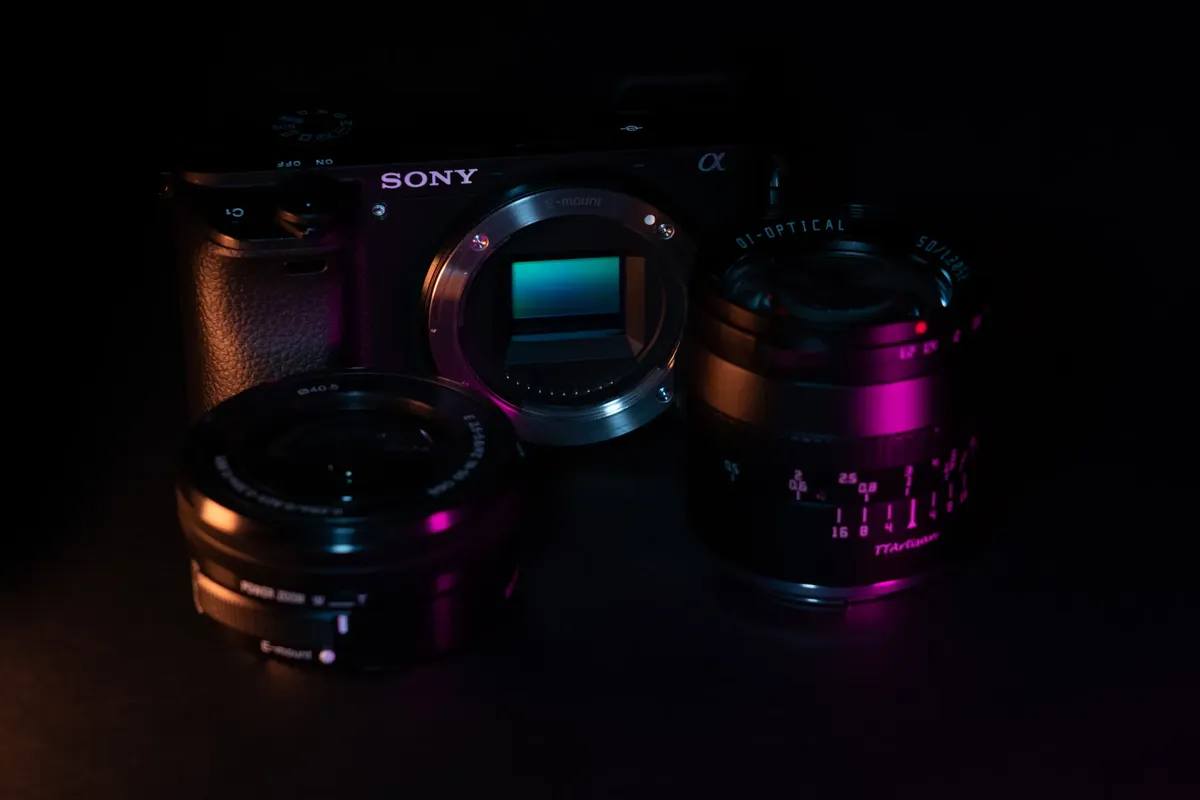
For example, some older models showed how sensor size impacts usability; the Q7, introduced in 2013, featured a 1/1.7 inch CMOS sensor, which was slightly larger than the 1/2.3 inch sensor found in the original Q series, even though the megapixel count remained the same.
This demonstrates that sensor area is a critical factor in performance.
A limitation of relying solely on high megapixel counts is that in very dark environments, the small individual pixels may struggle to produce clean images. This is a common hurdle when using compact cameras with high-resolution sensors in low-light travel scenarios.
- Why should you prioritize sensor size over megapixels for a 2026 travel camera guide?
- How do mirrorless systems change the camera choice for travel?
- What are the benefits of using pancake lenses for a best camera gear setup?
Related
How does lens choice affect the overall travel camera experience?
The lens selection profoundly influences the practical experience of using a travel camera on location. While the body size remains constant, the lens dictates the achievable optical performance and the overall carried weight.
A mismatch between body and lens can negate the advantages of a superior sensor combination.
Choosing the correct lens allows the photographer to match the optical tool to the immediate visual challenge presented by the travel environment. For instance, a wide-angle lens suits expansive landscapes, whereas a telephoto lens is necessary for compressing distant subjects during a journey.
The lens assembly is what ultimately translates the sensor's potential into a captured image, making its quality as crucial as the body itself for a successful travel camera outing.


Comments 0