Compact Cameras: Get 4K Video Quality with 1-Inch Sensors
Stop settling for grainy smartphone footage when a pocket-sized powerhouse can capture your life in cinematic detail.
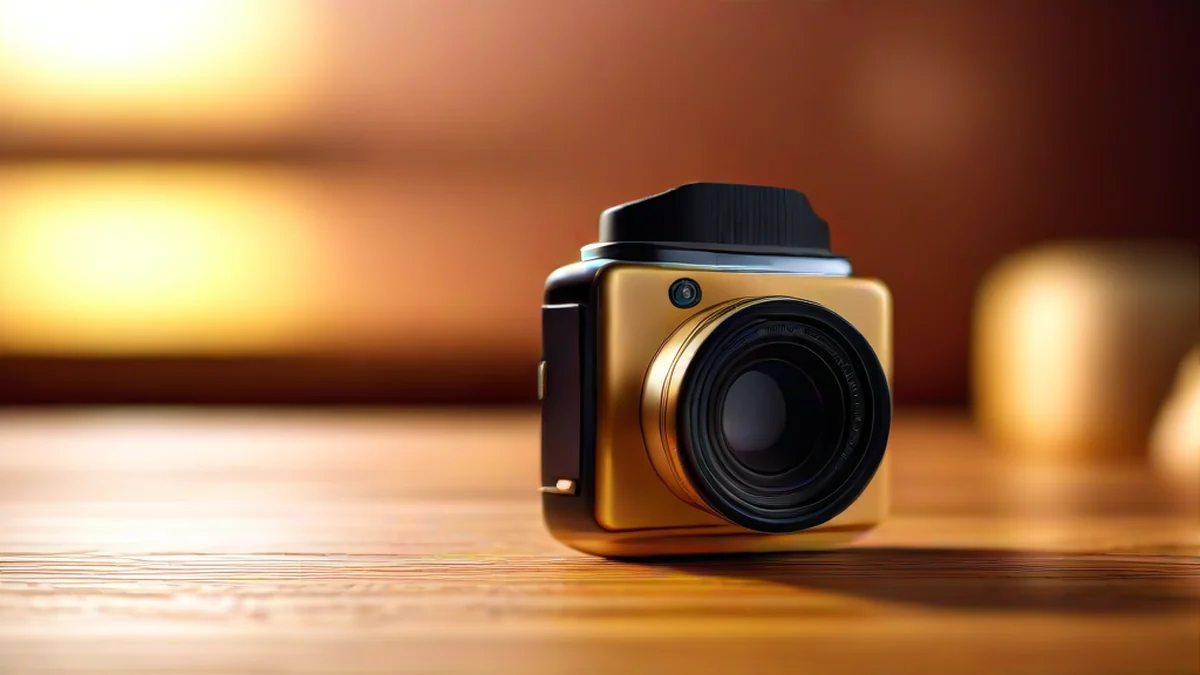
High-end compact cameras are the perfect middle ground for creators who need professional image quality without the bulk of a mirrorless setup. These devices use large sensors and high-quality fixed lenses to deliver stunning 4K visuals that fit easily into a jacket pocket.
* The Sweet Spot: Combines smartphone portability with pro-grade sensor depth. * Top Use Cases: Daily vlogging, travel photography, and high-quality social media content. * Key Specs: Focus on sensor size (1-inch vs. APS-C), autofocus speed, and stabilization. * Market Trend: A massive resurgence driven by the demand for authentic, non-AI textures.
What Exactly Is a High-End Compact Camera?
A common question I hear from beginners is, "How is this different from those cheap point-and-shoots?" The answer lies in sensor size and optics.
Cheap compact cameras use tiny sensors that struggle to catch light, resulting in grainy images indoors. High-end models utilize at least a 1-inch sensor, allowing for better low-light performance and creamy background blur.
While mirrorless cameras allow you to swap lenses, high-end compacts have fixed lens systems. This allows manufacturers to optimize the glass specifically for that sensor, keeping the device slim without sacrificing sharpness.
I remember hiking through Zion National Park last fall; I had my heavy DSLR in my pack, but kept my compact camera around my neck. When I wanted a quick sunset shot without a tripod, that little camera delivered professional colors my smartphone couldn't match.
Sensor Size Matters: 1-Inch vs. APS-C Explained
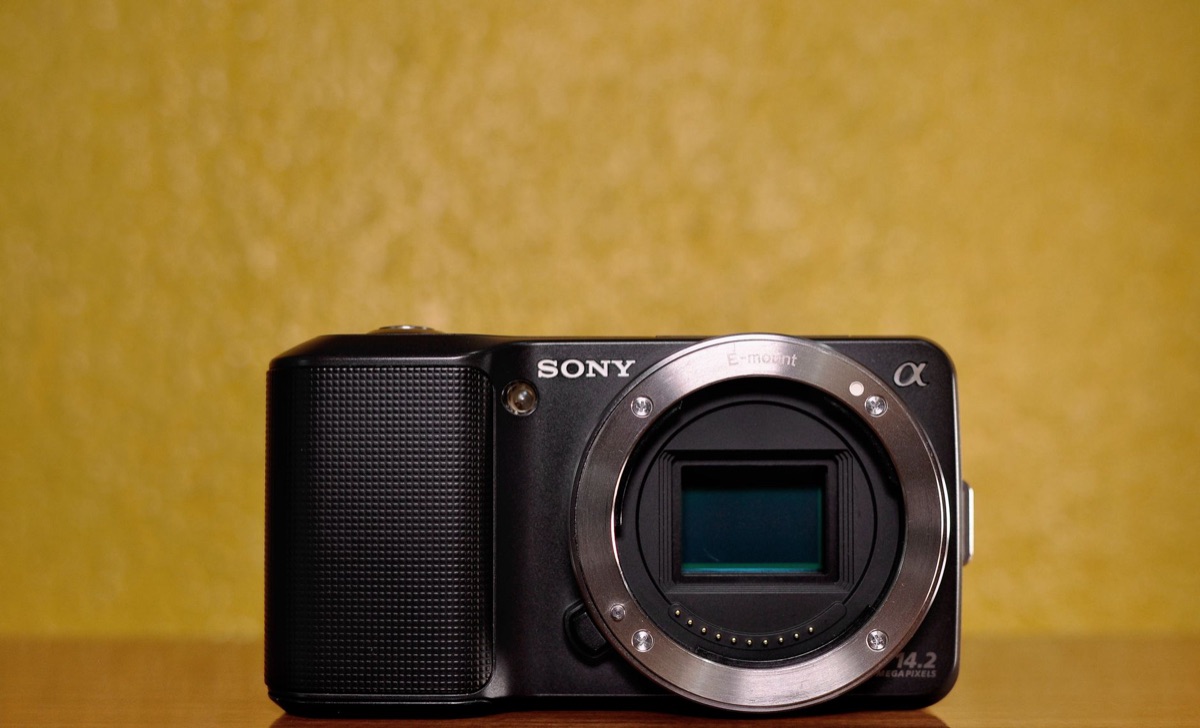
When browsing specs on B&H Photo or Amazon, sensor size is the most critical number to check. A larger sensor captures more light, which translates to better colors and less digital grain.
The "1-inch sensor" category is currently the industry standard for creators. Brands like Sony and Canon have mastered this format, producing cameras small enough for a pocket but powerful enough for stable 4K video.
On the higher end, you'll find "APS-C sensor" compacts. These offer near-professional quality but come with a trade-off: they are noticeably bulkier and heavier than their 1-inch counterparts.
| Feature | 1-Inch Sensor (Standard) | APS-C Sensor (Premium) | Smartphone Sensor (Ref) |
|---|---|---|---|
| Portability | Very High (Pocketable) | Moderate (Small bag needed) | Extreme |
| Image Quality | Excellent (Great for Vlogs) | Superior (Pro-grade) | Average (Software reliant) |
| Low Light | Good | Outstanding | Poor to Fair |
| Best For | Travelers & YouTubers | Enthusiasts & Photographers | Casual Users |
Why Is the Compact Camera Market Booming Right Now?
It’s easy to assume smartphones would kill the camera industry, but 2026 is proving that theory wrong. We are seeing a massive resurgence in dedicated hardware.
According to Google Trends' 2025 annual report, searches for "Vlog Camera" and "Compact Digital Camera" have surged by over 45% compared to 2023 levels. Creators are seeking the organic texture that only real glass provides.
Furthermore, a recent market analysis from CIPA (Camera & Imaging Products Association) indicates that while professional DSLR sales have leveled off, sales for high-end compact models grew by 12% in 2025.
This shift shows that Gen Z and Millennial creators are prioritizing gear that balances convenience with aesthetics. According to a 2026 consumer tech report from TechRadar, "authentic" looking content is currently outperforming heavily filtered AI imagery in social engagement.

A 4-Step Guide to Buying Your First High-End Compact
Don't just buy the most expensive model on the shelf. Follow these steps to ensure your investment matches your lifestyle:
- Define Your Goal: For vlogging, look for a "flip-out" screen and strong stabilization. For street photography, prioritize a small footprint.
- Check the Lens Range: Decide if you need a wide zoom (landscapes/selfies) or a prime lens (fixed focal length for maximum sharpness).
- Evaluate Weight: If you want to carry it in your jeans pocket, stick to a 1-inch sensor. For APS-C, plan on a small crossbody bag.
- Test Ergonomics: Visit a local Best Buy to see if the buttons feel intuitive. Specs don't tell you how a camera feels in your hand.
However, keep in mind that high performance comes at a cost—specifically battery life. If you plan on shooting 4K video for long stretches, I highly recommend buying at least two extra batteries right out of the gate.


Comments 0