Sensor size guide for 4K video codec choice 35mm
"The sensor size and storage capacity dictate the creative boundaries of every high-definition project."
Choosing a 4K camcorder requires balancing sensor size, storage capacity, and specialized hardware features to meet specific filming needs. This guide covers how to evaluate sensor dimensions, storage limits, and physical attachments to ensure professional results.
Key takeaways include understanding sensor-driven depth of field, managing high-bitrate storage requirements, and utilizing external audio and lens attachments.
How does sensor size impact 4K video codec choice?
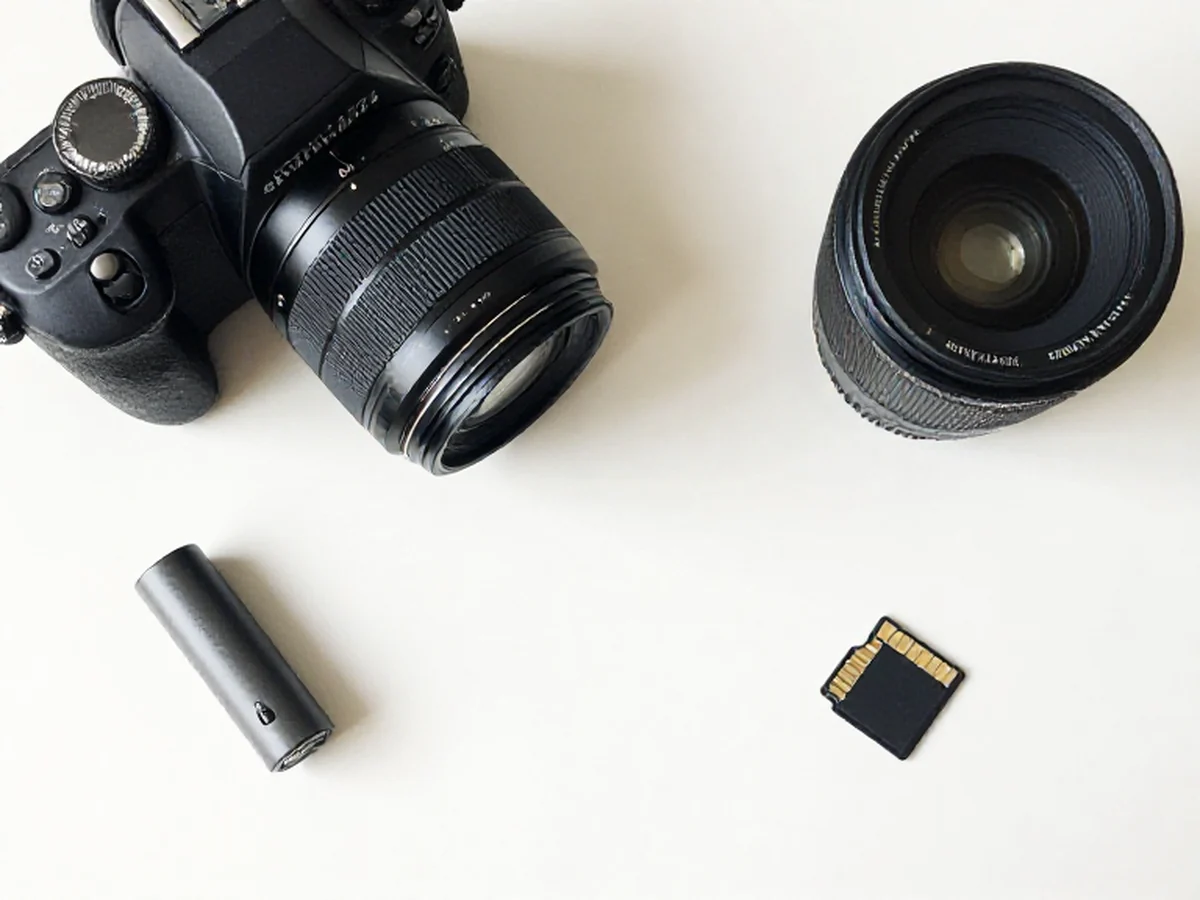
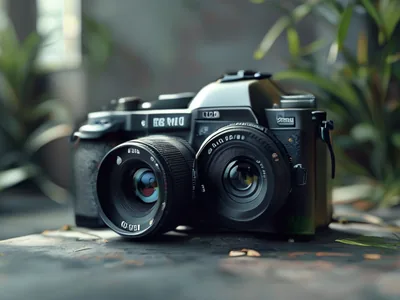
A photographer adjusts the focus ring while observing how the sensor captures light. The sensor size fundamentally determines the visual characteristics of the footage, such as depth of field and noise levels.
Choosing the right sensor is critical for achieving the desired look. For instance, the design of the AF100’s 4/3" type sensor affords depth of field and field of view similar to that of 35mm movie cameras in a less expensive camera body.
This makes it a strong candidate for those seeking a cinematic aesthetic.
Noise performance also varies significantly between different sensor dimensions. Some sensors have a slightly noticeable worse noise performance compared to the DX1 and SD1 but much better than the 1/6 inch 3CCD sensor camcorders.
Selecting a larger sensor helps manage light in challenging environments.
How much storage do I need for high-quality video? A user slides a memory card into a slot and checks the remaining space on the screen. Storage capacity is a primary concern because higher resolution settings consume space rapidly.
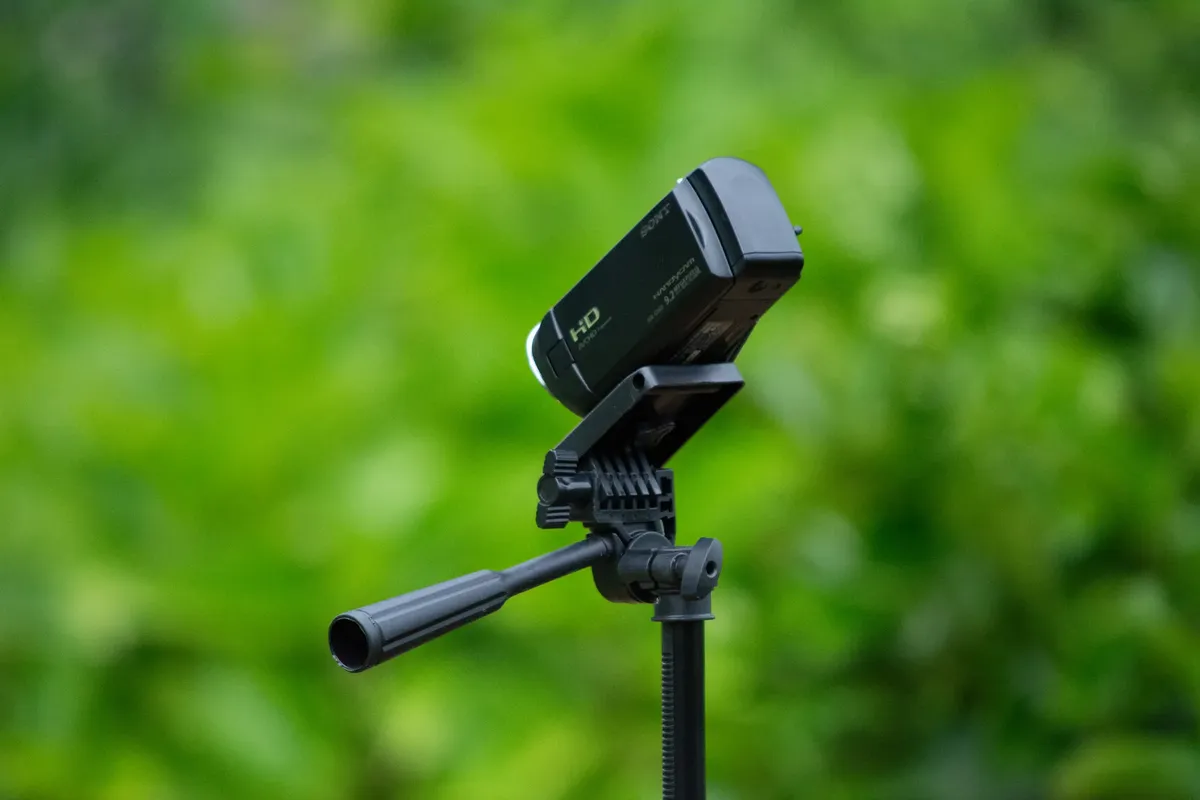
The amount of footage you can capture depends on the specific card and quality settings. One 4 GB card can fit roughly 30 minutes of video at highest quality setting (FXP). This limitation requires careful planning during a shoot.
Using dual slots can significantly extend recording time. With two SD slots, the AF100 can record up to 12 hours on two 64 GB SDXC cards in PH mode. This capability is essential for long-duration filming.
How to manage a Camcorder buying guide for professional features?
An operator plugs an external microphone into a side jack to capture clear audio. Beyond the sensor and storage, physical features like jacks and mounting points define the camera's versatility.
Professional models often include specialized ports for audio and accessories. The distinguishing features of this camcorder include: External microphone jack Headphone jack Mini Advanced Shoe (proprietary) Threaded lens barrel for attachments (37mm).
These allow for external control and expanded capabilities.
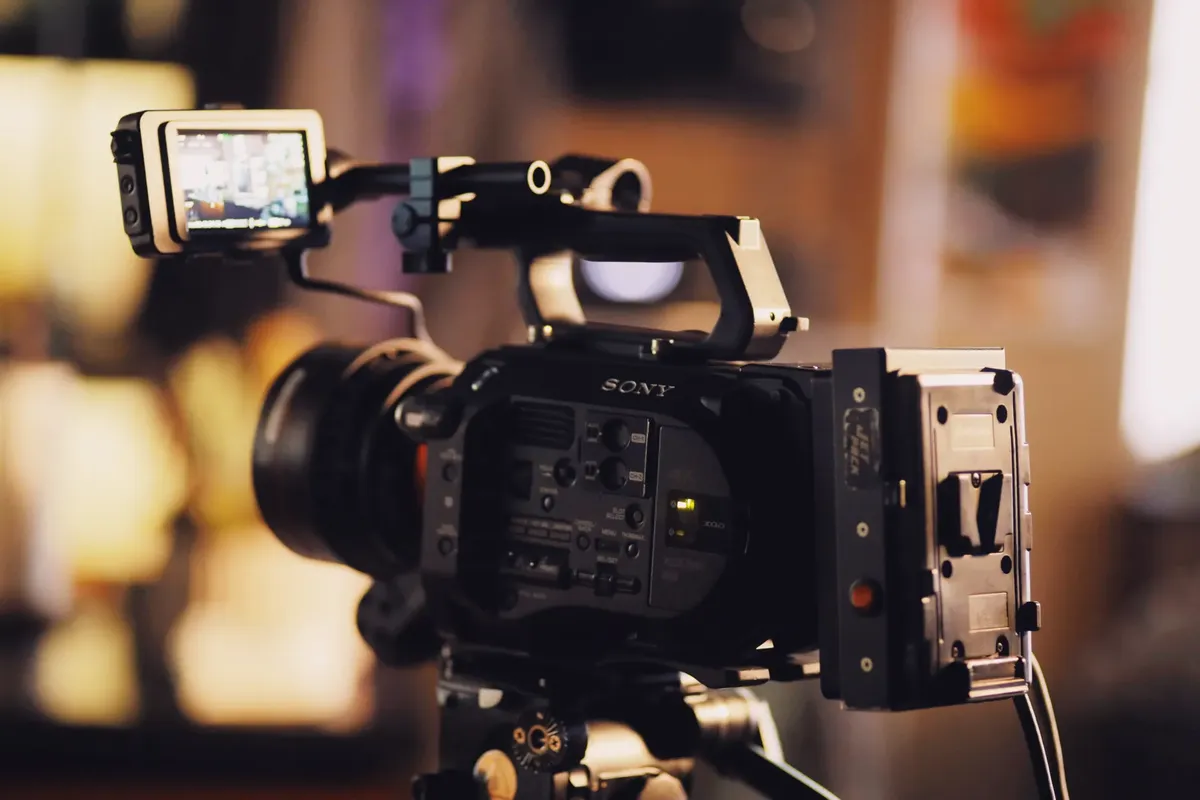
A 4K camcorder selection must also account for the internal hardware layout. For example, the HDR-FX1 includes three 1⁄3-inch (8.5 mm) 16:9 1.12 Megapixel gross CCDs. These components work together to define the final image quality.
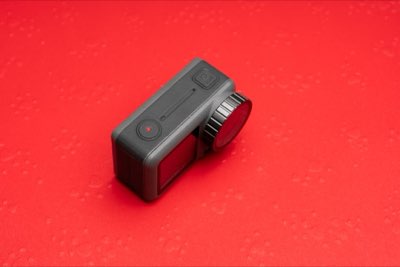
How do I choose the right video standard? A videographer compares two different memory cards side by side on a desk. To select the right equipment, you must follow a logical evaluation of technical specifications.
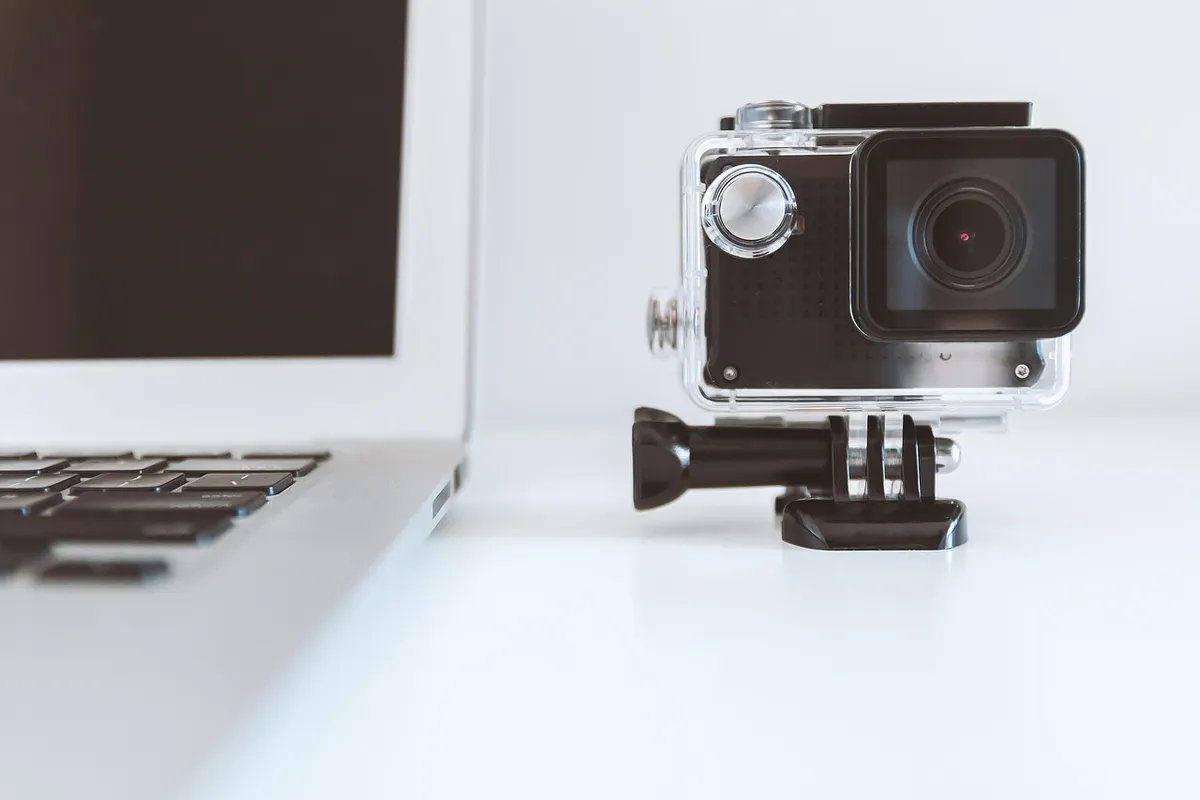
- Evaluate the sensor size to determine the depth of field and light sensitivity required for your subject. 2. Calculate the necessary storage capacity by comparing the file sizes of your desired quality settings against available card sizes. 3. Check for physical compatibility, such as threaded lens barrels or proprietary shoe mounts, to ensure you can attach necessary accessories.
I remember checking the capacity of a 16 GB card to see if it would suffice for a specific project. A SDHC card with the capacity of 16 GB can hold up to 2 hours of video recorded at highest quality setting.
One limitation is that sensor size and storage capacity are often tied to specific quality modes, meaning a larger sensor does not automatically guarantee more recording time.
Comparison of Storage and Sensor Capabilities
| Feature Type | Example Specification | Detail |
|---|---|---|
| Storage Capacity | 16 GB SDHC | Up to 2 hours of video at highest quality setting |
| Sensor Dimension | 4/3" type | Provides depth of field similar to 35mm movie cameras |
- How does sensor size impact 4K video codec choice?
- How much storage do I need for high-quality video?
- How to manage a Camcorder buying guide for professional features?
The subject here is 4K video codec choice.
The same subject is also called High quality video shoot.
The same subject is also called 4K feature standard.
This part also covers Best 4K camcorder models.
This part also covers Achieving ultra high definition.
This part also covers Choosing your video standard.
Best 4K camcorder models
Related
- Travel camcorder weight guide: MiniDVD-R 8 cm discs
- Light travel camcorder tips for mobile videographers
How does the sensor size influence the overall visual outcome?
The sensor size dictates the visual characteristics of the resulting footage, which is a direct consequence of how much light the sensor captures. A larger sensor contributes to a shallower depth of field, mimicking professional film stocks.
This characteristic is crucial when attempting to achieve a cinematic appearance in the captured image.
The sensor size also influences the noise profile of the image data. Different sensor dimensions handle low-light situations differently, affecting how much digital noise might appear in the final video file.
Therefore, the sensor size is intrinsically linked to the quality achievable in low-illumination scenarios.
What are the operational constraints imposed by storage capacity?
The storage capacity imposes a practical limit on the duration of continuous recording achievable in a single session. When the memory card fills up, the recording must cease unless a specific recording mode is employed. This limitation necessitates proactive management by the operator.
The quality setting chosen directly correlates with the rate at which the storage fills up. A higher quality setting compresses less data per frame, demanding more storage space for the same duration of video. This relationship must be balanced against the desired visual fidelity.
The sensor size and storage capacity are interdependent variables in achieving a successful high-definition capture. The sensor captures the visual information, and the storage holds the digital representation of that information. Both must be considered together for a complete workflow.




Comments 0