Action cam weight matters: Why weight affects filming
"The weight of the gear in your hands determines how long you can stay in the moment before fatigue sets in."
Choosing the right action cam weight matters because it directly impacts the stability of your shots and the duration of your filming sessions. A lighter device allows for extended use during outdoor adventures, while a heavier unit might offer more robust features.
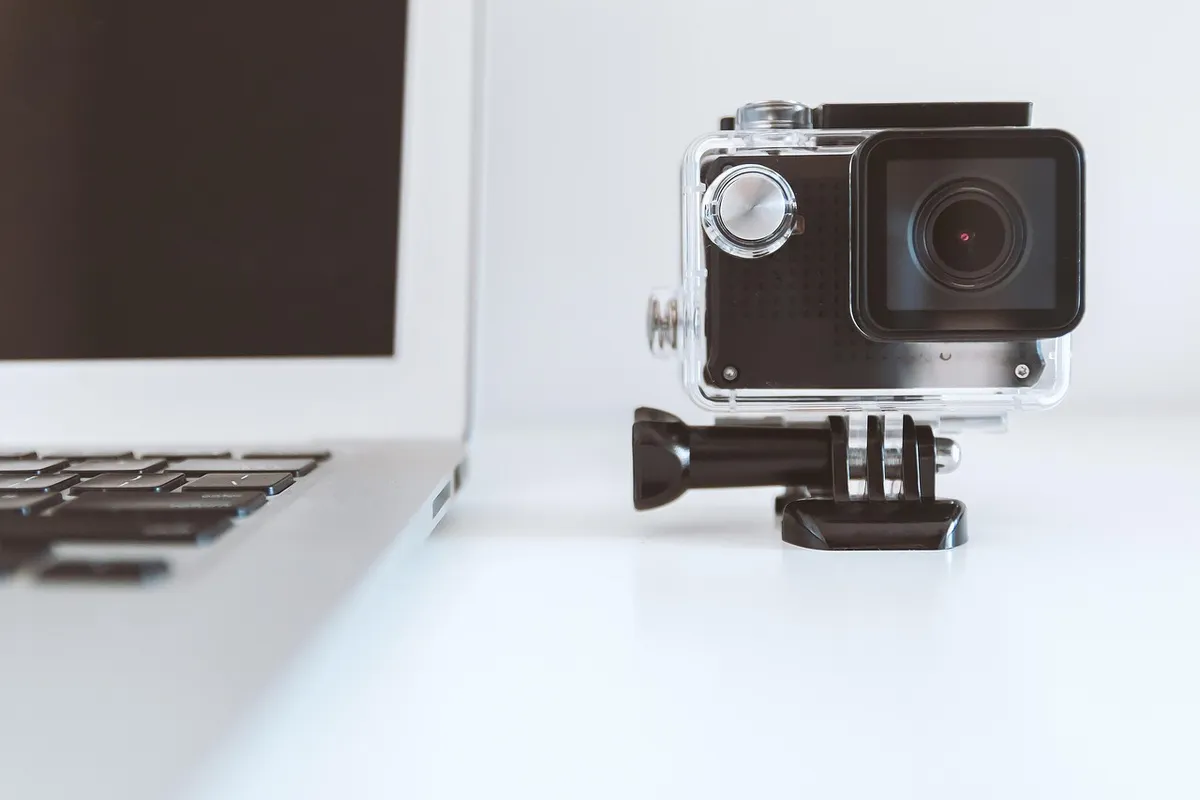
This guide explores how to balance portability with performance, though it is important to note that weight alone does not guarantee image quality.
Why does action cam weight matter?
At dawn on the rugged trail, my aching wrist twinges as I realize how much the heavy action cam weight matters during a long climb.
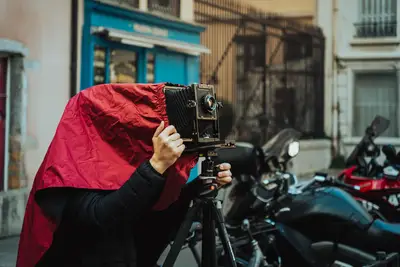
A cameraman adjusts their grip on a heavy rig during a long shoot. When you carry equipment for hours, every gram counts toward your overall stamina.
The impact of camera weight is most noticeable during physical activities where you must move quickly or hold the device steady for long periods. A heavy camera can cause muscle strain or shaky footage if you are filming while walking or running.
Choosing a lightweight action camera helps maintain steady hands and reduces the physical burden on the user.
How to choose the right gear for long shoots? Action cam weight matters
I tighten my grip at the mountain summit, feeling the strain of deciding if this heavy action cam is suitable for the long trek ahead.
A photographer shifts a heavy lens to find the perfect angle in a crowded park. Selecting gear involves matching the device's mass to your specific activity level.
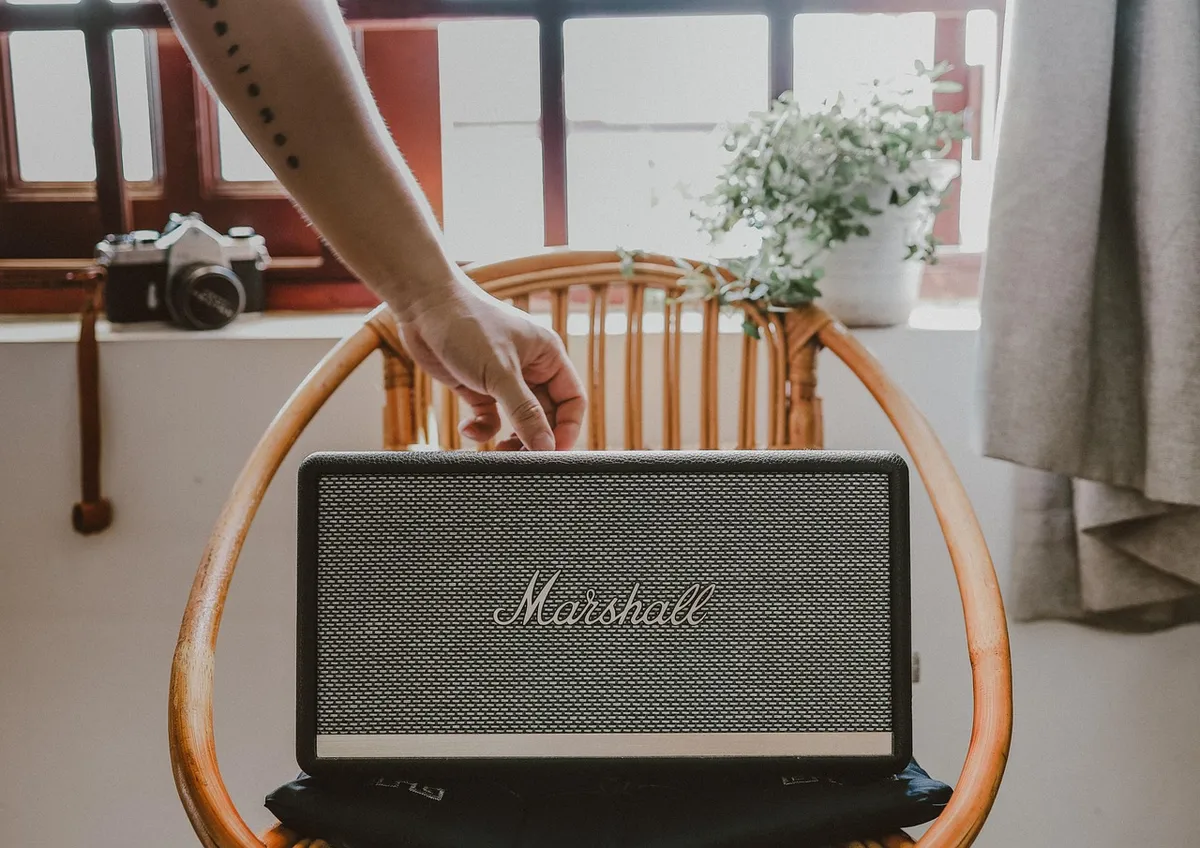
The comfort during long shoots depends heavily on the relationship between the device and your body. If you are hiking, a compact and light device is often superior to a bulky one.
A long use cam choice should prioritize ergonomics to ensure you do not have to set the camera down prematurely due to hand fatigue.
Will the weight change which gear I pick? A traveler packs a small bag, carefully weighing each piece of equipment before a flight. Every piece of equipment must serve a purpose, especially when traveling.
According to the Imaging Products Association, mirrorless systems accounted for 69% of interchangeable lens camera shipments in 2022, representing a 31% increase from the previous year.
As reported by the Association (CIPA), mirrorless systems continued to dominate the digital camera market in 2022, accounting for 69% of interchangeable lens camera shipments—a 31% increase from the previous year.
Effective gear selection guide principles suggest that portability should be a primary consideration for mobile users. When you weigh your options, consider how the device integrates with mounts or tripods.
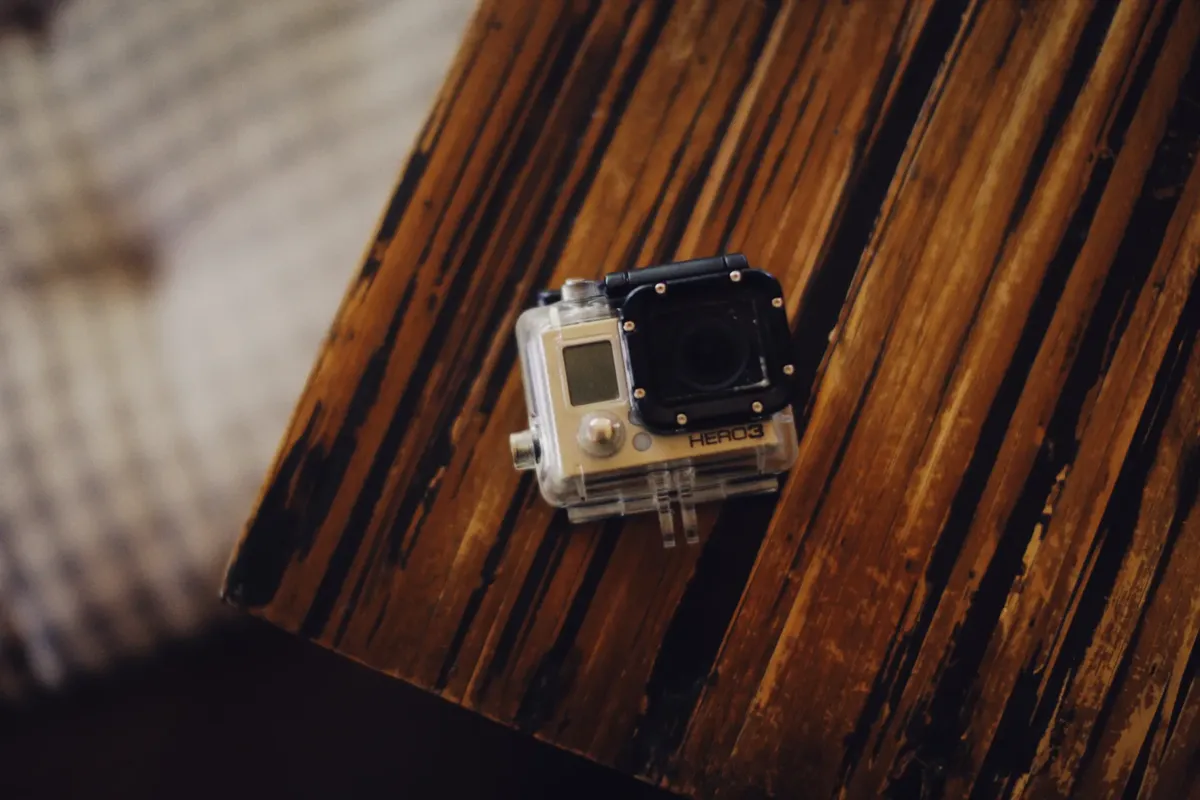
A well-balanced device ensures that the weight is distributed evenly, which is vital for mounting the camera on a helmet or a chest strap.
Are heavy cameras okay for professional work? A professional filmmaker checks the battery life and weight of a high-end camera before a shoot. While professional cameras often weigh more due to advanced sensors, they require different handling techniques.
Professional-grade gear may offer better stability, but it requires more physical effort to manage. If you are transitioning from heavy setups to more portable options, you will notice the difference in your agility.
Balancing these needs is essential for anyone moving between stationary and highly mobile filming environments.
What are the steps to evaluate weight?
A person holds two different camera models, feeling the weight of each in their palms. Before purchasing, you should physically test the equipment to understand its feel.
- Hold the camera in a natural shooting position for several minutes to check for hand cramping. 2. Test the device with common accessories, such as tripods or mounts, to see how the total weight changes. 3. Compare the weight against your existing travel or activity gear to ensure compatibility.
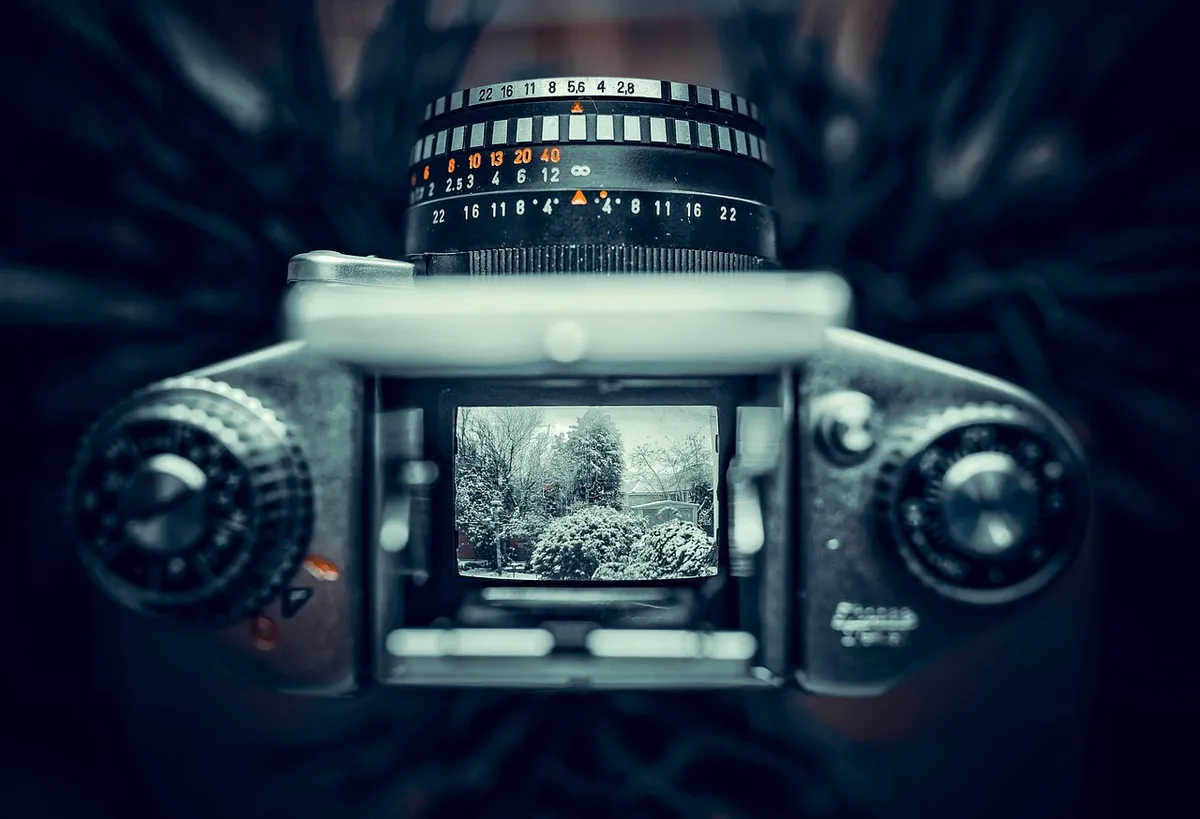
I found that testing the grip of a device is just as important as the number on the scale.
A limitation of this evaluation is that personal strength and specific mounting hardware can change how a specific weight feels in practice.
- Why does action cam weight matter?
- How to choose the right gear for long shoots?
- Will the weight change which gear I pick?
The same subject is also called Cam weight and comfort.
Impact of camera weight
Related
- How to evaluate heavy duty cam setup requirements?
- How do I use these tools for sports video shooting?: 7 cm
How do you balance weight and performance?
Balancing weight and performance requires matching the device's mass to your specific activity level. If you choose a heavier unit for more robust features, you must account for the increased physical effort required to manage the gear.
When comparing options, consider that a lighter device allows for extended use during outdoor adventures. Conversely, a heavier camera might cause muscle strain or shaky footage if you are filming while walking or running.
You must decide if the features of a heavier unit are worth the potential for hand fatigue or reduced agility during mobile filming.
What should you consider when mounting gear?
Mounting requires a well-balanced device to ensure the weight is distributed evenly. This distribution is vital when you are mounting the camera on a helmet or a chest strap.
If you use common accessories like tripods or mounts, the total weight changes. You should test the device with these accessories to see how the weight affects your ability to hold the device steady for long periods.
A compact and light device is often superior to a bulky one for mounting, as it helps maintain steady hands and reduces the physical burden.




Comments 0