How to evaluate heavy duty cam setup requirements?
Selecting the right equipment for high-intensity environments requires balancing durability, sensor size, and stabilization technology. This 2026 action cam guide focuses on identifying high-performance large-body devices suitable for professional-grade capture. Key takeaways include prioritizing optical zoom capabilities, thermal management, and ruggedness for varied use cases.
What are the primary factors for a 2026 action cam guide?
At dawn, I squint at the shifting light to evaluate how the large sensor captures every detail.
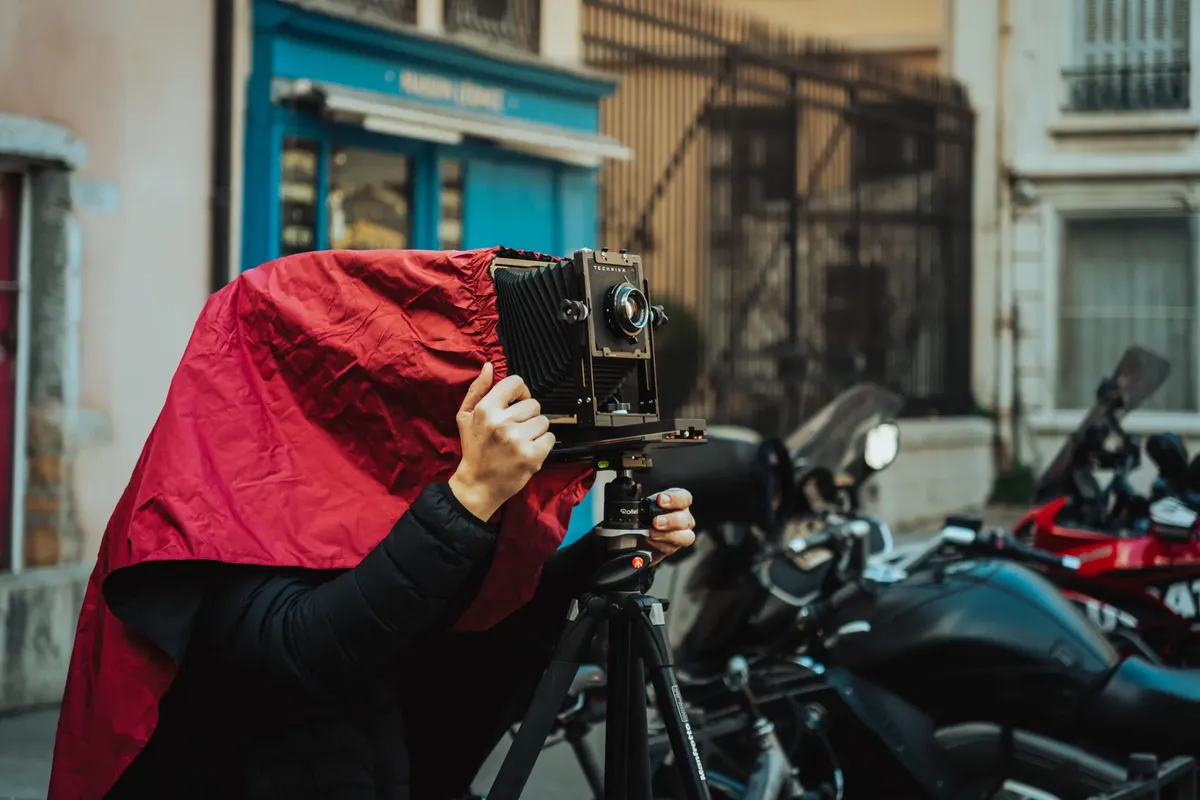
A technician adjusts the lens mount on a heavy-duty tripod to ensure the sensor remains stable during high-speed movement. Choosing a large-format action cam involves evaluating the trade-off between portability and image quality.
The primary factors involve sensor size, battery longevity, and weather sealing. A larger sensor allows for better low-light performance, which is essential when moving between bright sunlight and dark environments.
Effective selection requires looking at the internal processing power. High-resolution video demands significant bandwidth, so the device must handle heat dissipation without throttling the frame rate.
A professional photographer once handed me a heavy-duty unit to test the weight distribution against a standard handheld model. I realized that the stability provided by a larger chassis often outweighs the minor inconvenience of extra weight during long shoots.
- Assess sensor size and resolution capabilities.
- Evaluate stabilization technology and low-light performance.
- Check battery life and ruggedness ratings.
How to evaluate heavy duty cam setup requirements?
A hiker secures a large-body camera to a specialized chest mount before beginning a steep ascent. Identifying the right equipment requires matching the device's physical footprint to the intended environment.
For a heavy duty cam setup, you must consider the structural integrity of the housing. Larger devices often provide more room for advanced cooling systems, which prevents the sensor from overheating during extended 4K or 8K recording sessions.
The mounting ecosystem is another vital consideration. Large-format cameras often require more robust mounting solutions than tiny, pocket-sized units. Ensure the accessory compatibility meets your specific mounting needs, whether it is a helmet, tripod, or vehicle mount.
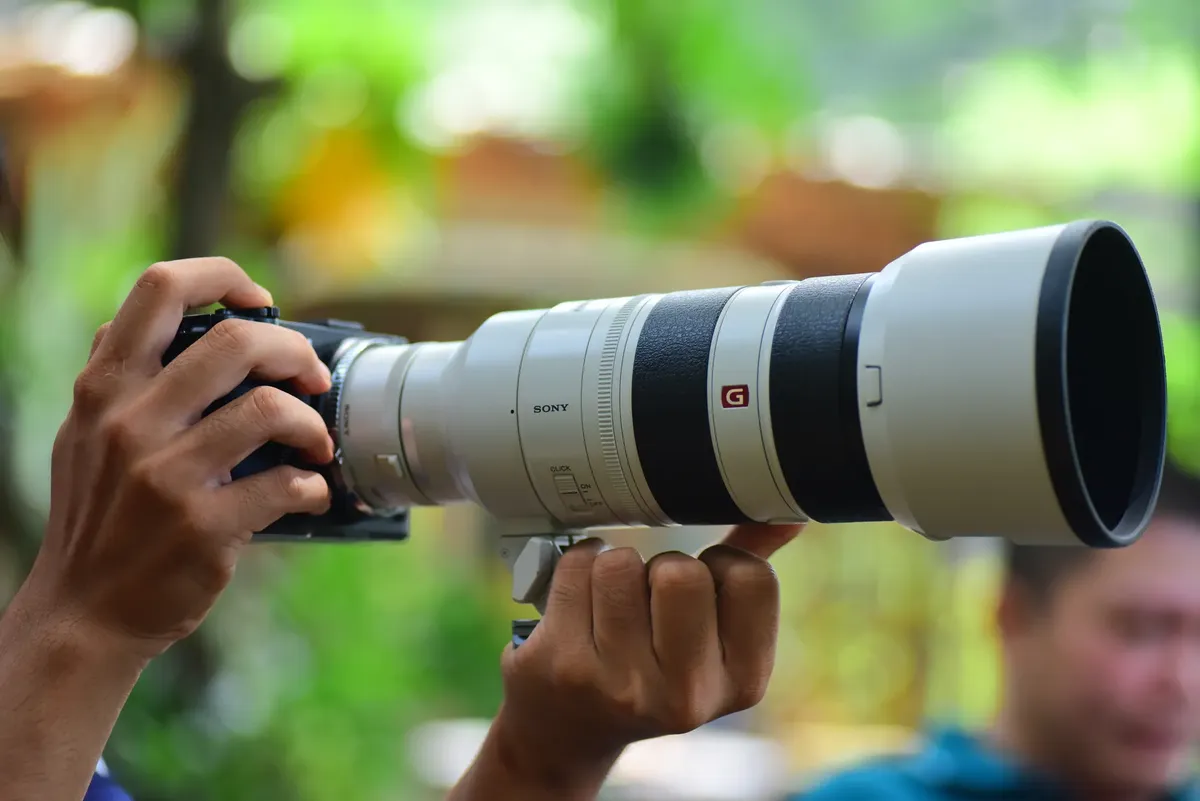
When analyzing a heavy duty cam setup, check the ingress protection rating. A high IP rating ensures that dust and water do not penetrate the larger gaps often found in more complex, multi-button designs.
In this order, the second step is the most extensive.
What are the best large cam for sport use cases?
An athlete wipes condensation off a large lens while preparing for a mountain biking session. When looking for the best large cam for sport, the focus shifts toward ruggedness and stabilization.
In high-impact sports, the internal stabilization mechanism must be able to handle sudden jolts. A larger body often houses more sophisticated gimbal-like electronic or mechanical stabilization, providing smoother footage during erratic movements.
Battery life is critical during long-duration sporting events. Larger units typically accommodate larger batteries, allowing for uninterrupted recording throughout an entire match or race.
The best large cam for sport must also be easy to operate with gloves. Larger buttons and intuitive interfaces allow for quick adjustments when the user cannot rely on fine motor skills due to cold weather or gear.
How to manage an action cam selection guide for different environments?
A filmmaker adjusts the settings on a large camera while standing on a windy coastline. An action cam selection guide should differentiate between stationary use and mobile adventure use.
For stationary or mounted use, such as vehicle-mounted filming, the focus should be on resolution and bitrates. These environments allow for larger, more permanent setups that can capture high-detail footage.
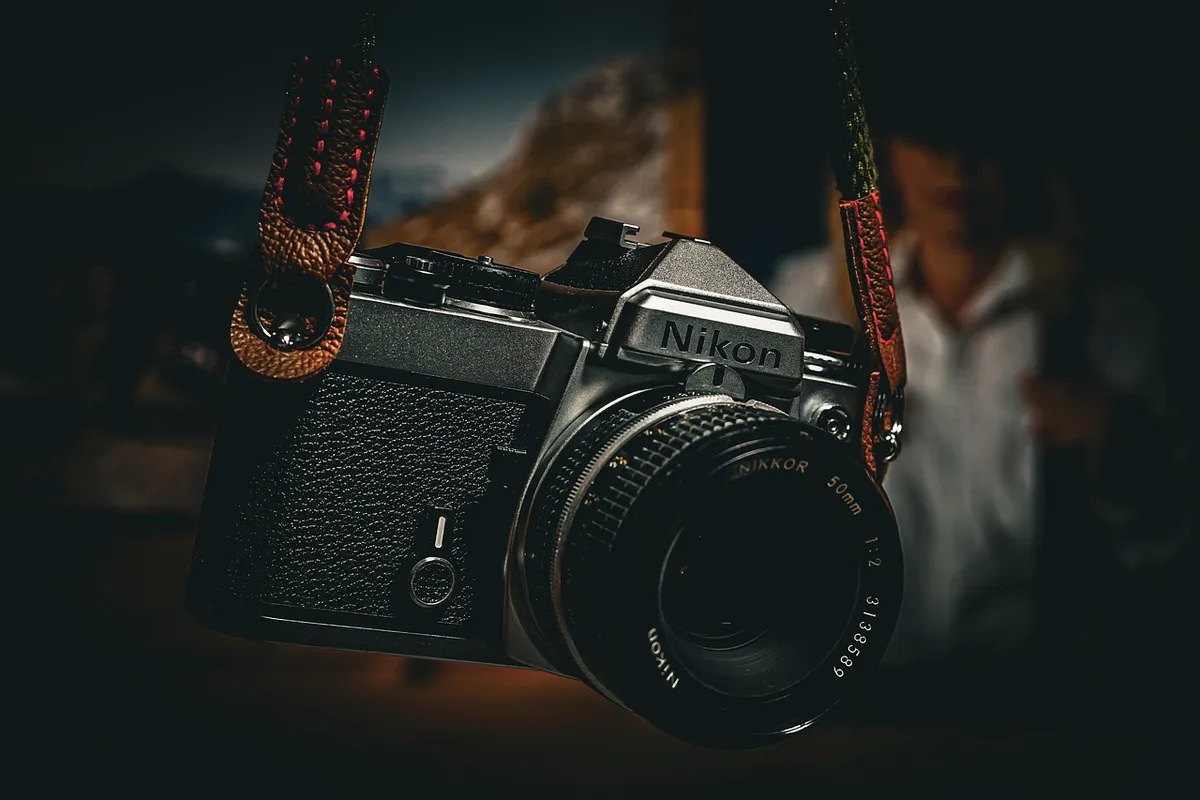
For mobile adventure use, the priority is the weight-to-feature ratio. While the device is larger than a standard consumer cam, it must remain manageable for a single operator to carry throughout the day.
An action cam selection guide often highlights that a larger device provides better manual control. This allows creators to adjust exposure and focus on the fly, which is often difficult on smaller, more automated models.
How to approach an action cam feature comparison?
A researcher compares two different camera models side by side on a wooden desk. An action cam feature comparison helps clarify which technical specifications actually impact the final footage.
One should compare the sensor dimensions against the lens aperture. A larger sensor paired with a wide aperture creates a shallow depth of field, which can make action footage look more cinematic compared to traditional small-sensor cameras.
The comparison should also include the storage-to-processing ratio. High-bitrate video files require fast write speeds; ensure the device's slot and processor can handle the data throughput required for the highest settings.
During an action cam feature comparison, I noticed how much the menu interface affects usability. A complex feature set is useless if the user cannot navigate the menus quickly while in the middle of an activity.
How to make a smart cam buying decision?
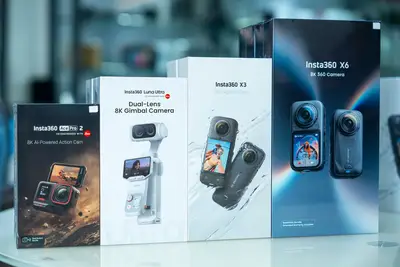
A buyer inspects the ruggedness of a camera body at a local electronics showroom. Making a smart cam buying decision requires a clear understanding of your own shooting style.
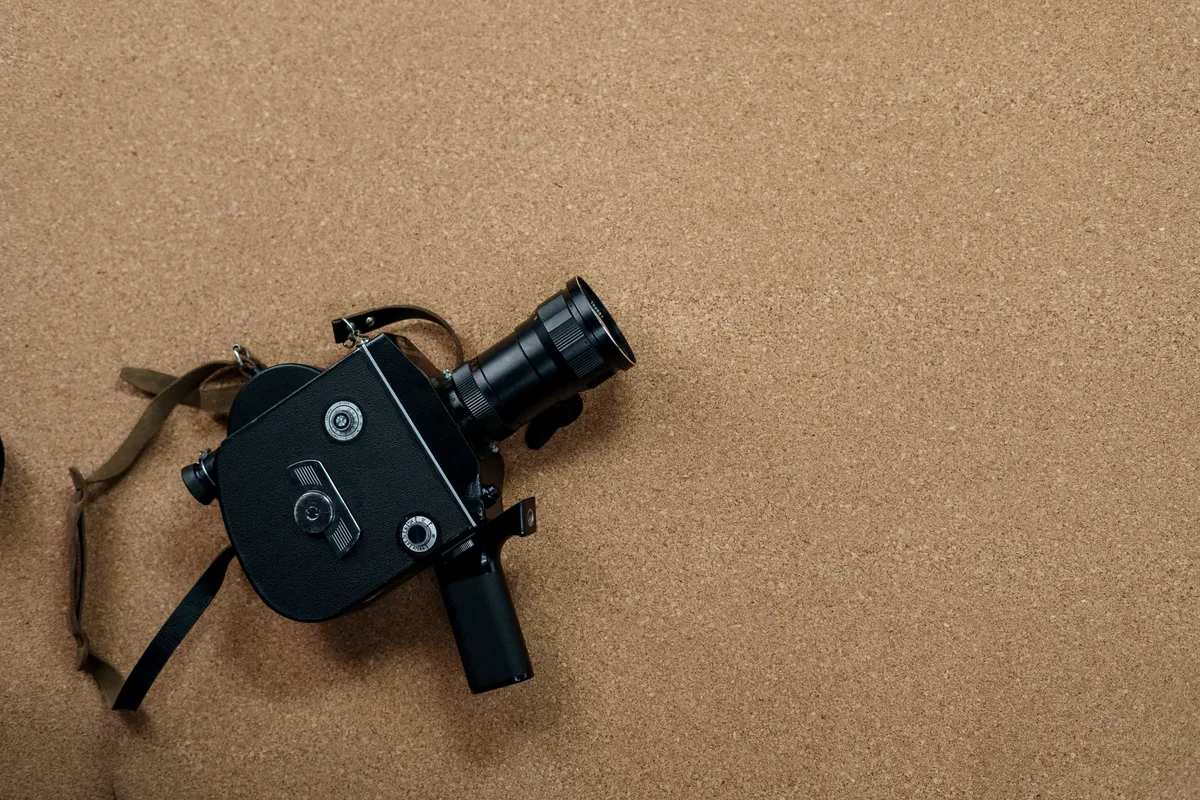
Think about your primary shooting environment. If you are mostly filming in bright, outdoor settings, you might prioritize weather sealing and lens durability over extreme low-light performance.
Consider the long-term support of the brand. A smart cam buying decision involves ensuring that replacement parts, extra batteries, and software updates will be available for several years.
The decision should remain grounded in your actual needs. If you do not require professional-grade manual controls, a massive, heavy-duty unit might be more of a burden than a benefit.
The subject here is 2026 action cam guide.
The same subject is also called large cam choice 2026.
The same subject is also called big cam buying factors.
The same subject is also called 2026 cam buying tips.
Related





Comments 0