Essential Lens Guide: 5 Tips to Capture Professional Shots
"Don't let expensive gear go to waste—the right lens and accessory combination is the difference between a 'snapshot' and a 'masterpiece'."
Buying a high-end camera body is often just the first step in a much longer journey. Without the right glass to capture light or the right accessories to stabilize a shot, even a $4,000 sensor can produce images that look amateur.
* Purpose-Driven Selection: Match lens focal lengths to specific use cases like vlogging or portraits. * The Stability-Audio Rule: High-quality footage requires stability and clear audio to be professional. * Maintenance is Longevity: Filters and cleaning kits protect your investment from environmental damage. * Compatibility First: Always verify mount types and sensor compatibility before purchasing.
Which Lenses Should You Prioritize First?
I remember standing in the middle of a bustling street in Tokyo in late 2025, my heavy zoom lens clicking as I tried to frame a subject while a group of tourists bumped into my tripod.
I had the best camera money could buy, but I felt paralyzed because I didn't have the right focal length to capture the mood of the city.
The debate between Prime and Zoom lenses is the first hurdle every photographer faces. Prime lenses have a fixed focal length, meaning you cannot zoom in or out. This lack of versatility comes with a massive benefit: wider apertures.
A 50mm f/1.8 prime lens will almost always produce better "bokeh" (that creamy, blurred background) and better low-light performance than a variable-apture zoom lens.
If you want to cover every base, photographers often aim for the "Holy Trinity" of lenses. This consists of a wide-angle zoom (like 16-35mm), a standard zoom (24-70mm), and a telephoto zoom (70-200mm). This combination allows you to shoot everything from sweeping landscapes to tight portraits.
For those focusing on vlogging, the 20mm to 35mm range is the sweet spot. If the lens is too long, your face will look unnaturally close to the camera, and you won't be able to capture the environment behind you.
On the other hand, if you are interested in tiny details like flower pistils or insect eyes, a dedicated Macro lens is a must.
Before you click "buy" on a heavy piece of glass, you must check compatibility. A lens designed for a Full-frame sensor will work on an APS-C (crop sensor) body, but it might cause vignetting—dark corners in your frame.
Conversely, an APS-C lens on a Full-frame body will waste much of the sensor's potential.
Essential Accessories: Beyond the Camera Body
A heavy camera bag sat on my desk last Tuesday morning, and as I unpacked it, I realized that my most important tools weren't even electronic. The tripod was heavy, but the small microfiber cloth and the spare battery were what actually saved my shoot.
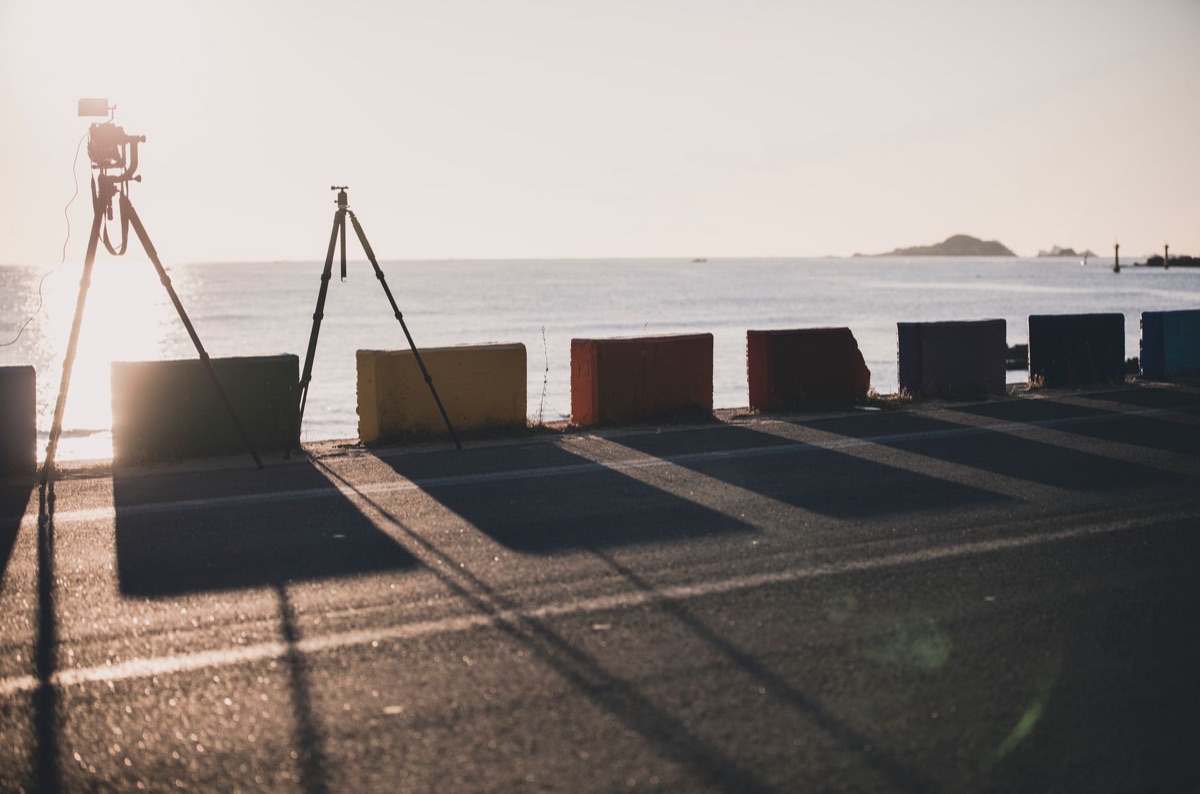
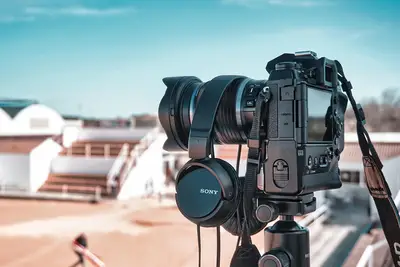
Stability is the foundation of every great shot. Tripods are for static, long-exposure shots like night photography or landscapes. Gimbals are motorized stabilizers used to own smooth, cinematic movement in video.
Monopods offer a middle ground, providing support for heavy telephoto lenses while remaining much more mobile than a tripod.
In the world of video, audio is much like 50% of the experience. A viewer will tolerate a slightly grainy image, but they will immediately turn off a video if the audio is peaking or muffled.
Shotgun microphones are great for directional recording, while wireless Lavalier systems are essential for vloggers who need to capture clear voice while moving.
Memory and power management are the "invisible" necessities. If you are shooting 4K video or high-speed bursts, you need high-speed cards like UHS-II or CFexpress to prevent the camera from freezing. Similarly, high-capacity external batteries or power banks are vital for long days of shooting.
Lastly, consider optical filters. UV filters are often used simply to protect the front element of your lens from scratches. However, Neutral Density (ND) filters are the "sunglasses" for your camera.
They allow you to use wide apertures in bright daylight, enabling that shallow depth of field even under a midday sun.
Scenario-Based Gear: Travel, Vlog, and Sports
I once spent a week hiking through the Swiss Alps in the summer of 2025 with a backpack that felt like it was filled with lead. I had brought every lens I thought I might need, but I ended up only using one because the others were too heavy to carry on the trails.
The right gear depends entirely on your environment. For a Travel Setup, focus on "all-in-one" versatility. Lightweight prime lenses and compact travel tripods are better than bulky professional kits. Weather-sealed bodies are a massive advantage when you encounter unexpected mist or dust.
The YouTuber/Vlogger Setup requires a different mindset. You need a wide-angle lens to capture yourself and your surroundings, a compact gimbal for handheld stability, and a directional microphone to isolate your voice from background noise.
A flip-screen-capable camera is also a non-negotiable requirement here.
For Action and Sports, speed is everything. You need telephoto zoom lenses to capture subjects from a distance and high-speed SD cards to handle rapid-fire shots. Ruggedized waterproof cases and heavy-duty straps are essential to prevent gear loss during high-movement activities.
| Gear Category | Primary Focus | Key Accessory |
|---|---|---|
| Traveler | Portability & Weight | Lightweight Travel Tripod |
| Vlogger | Audio & Wide Angles | Shotgun Microphone |
| Sports Pro | Speed & Reach | High-Speed SD Cards |
| Studio/Portrait | Depth of Field | Prime Lenses & Tripod |
The Buyer’s Guide: How to Avoid Costly Mistakes
I looked at my old gear closet in early 2026 and realized I had spent thousands on "entry-level" lenses that I outgrew in a year. I was constantly replacing things because they weren't quite right, which was a much more expensive path than if I had invested in quality from the start.
The "Buy Once, Cry Once" philosophy is vital. It is better to invest in mid-range professional gear that will last five years than to buy cheap, plastic-heavy equipment that needs replacing in six months. Zooming into a cheap lens often results in "soft" images that lack professional sharpness.
Understanding mount compatibility is the most common trap. Systems like Sony's E-mount, Canon's RF-mount, or Nikon's Z-mount are specific. While adapters can sometimes bridge the gap between old and new lenses, they can add bulk and own-compatibility issues.
Always know your mount own-type before committing to a lens ecosystem.
When allocating your budget, consider the 60/40 rule. For beginners, 60% of your budget might go to the body and 40% to lenses.
However, as you progress, you might shift to a 40/60 rule where the majority of your investment goes into high-quality glass, because the lens determines the image quality more than the sensor does.
The second-hand market is a goldmine if used wisely. You can often find professional-grade lenses at a fraction of the retail price. The key is to inspect the glass for scratches, check the autofocus motors, and ensure there is no fungus inside the lens elements.
Maintenance and Protection: Keeping Gear Pristine
A single speck of dust on a sensor can ruin a perfectly composed landscape shot. I spent an entire afternoon in a darkroom once, frustrated because I couldn't figure out why my images had a tiny black dot in the corner—it was a tiny bit of dust I hadn't noticed.
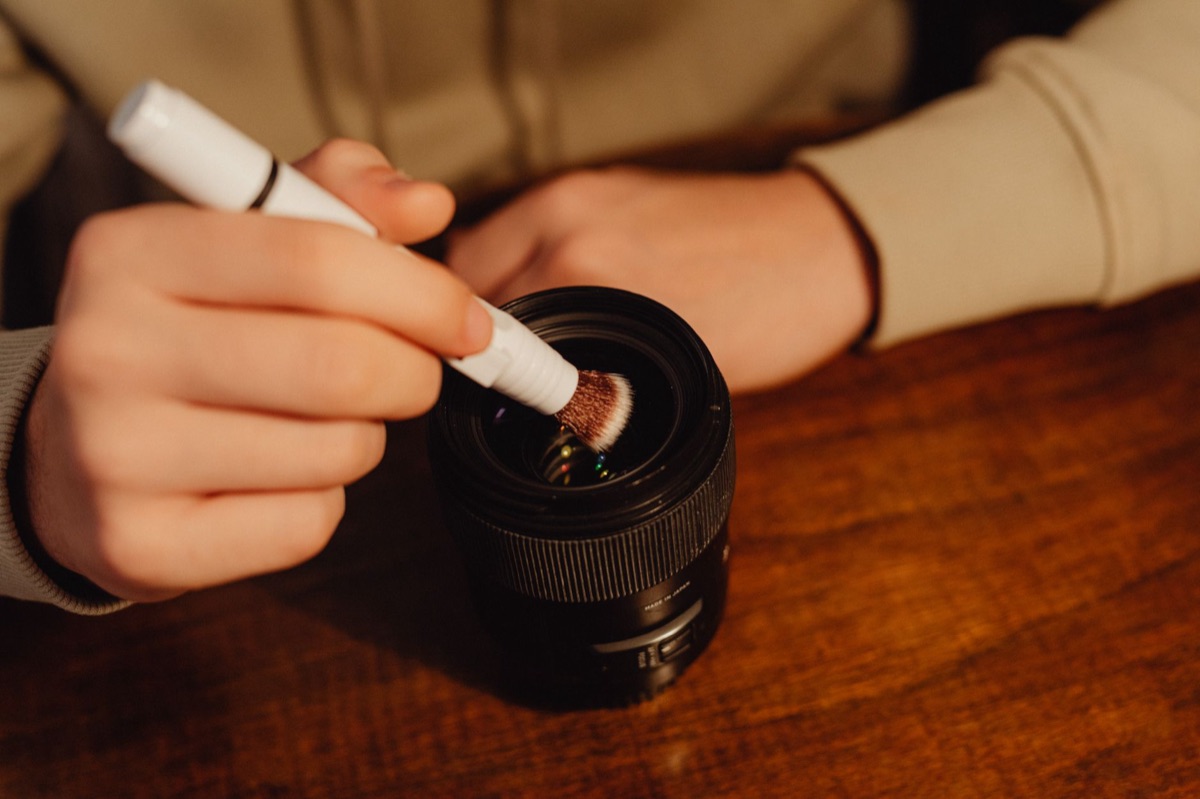
A basic cleaning kit is your best defense. You need an air blower to remove loose dust, microfiber cloths for smudges, a lens pen for stubborn spots, and sensor swabs if you are comfortable cleaning the sensor yourself. Never use household glass cleaner on a camera lens.
Weather sealing is important, but it isn't a license to shoot in a monsoon. Most "weather-sealed" cameras can handle light rain or dust, but they are not waterproof. If you are in heavy downpours, use physical rain covers or simply find shelter.
Proper storage is the final step. Keep your gear in a cool, dry place. In humid climates, using a dry box or a cabinet with silica gel packets is essential to prevent fungal growth inside the lenses, which can permanently ruin the optical coatings.
Summary of Essential Gear
- The Lens Foundation: Start with a versatile zoom or a sharp prime.
- Stability & Sound: Use tripods for stills and mics for video.
- Protection: Use UV filters and cleaning kits to protect your investment.
- Knowledge: Always check mount compatibility and sensor size.
#

Comments 0