Action Cam Guide: 4 Best 2026 Models for Every User
"Capture the moment, not the struggle."
Choosing the right action camera in 2026 means deciding between raw resolution, ruggedness, or the intelligence of AI-driven stabilization.
Whether you are mountain biking through the Rockies or vlogging in the streets of Tokyo, the right tool determines if your footage looks like a cinematic masterpiece or a shaky, unusable mess.
* AI-Driven Stabilization: Modern models have moved beyond simple electronic shifts to predictive motion tracking and advanced horizon leveling. * Resolution vs. Efficiency: While 8K is the new flagship standard, managing heat and battery life remains the biggest challenge for users. * Ruggedness vs. Portability: The market is split between "inddragible" adventure-ready bodies and "ultra-compact" vlogging-centric designs. * The Ecosystem Factor: Success depends on how seamlessly the camera interacts with smartphone apps and modular accessories like external mics and lens filters.
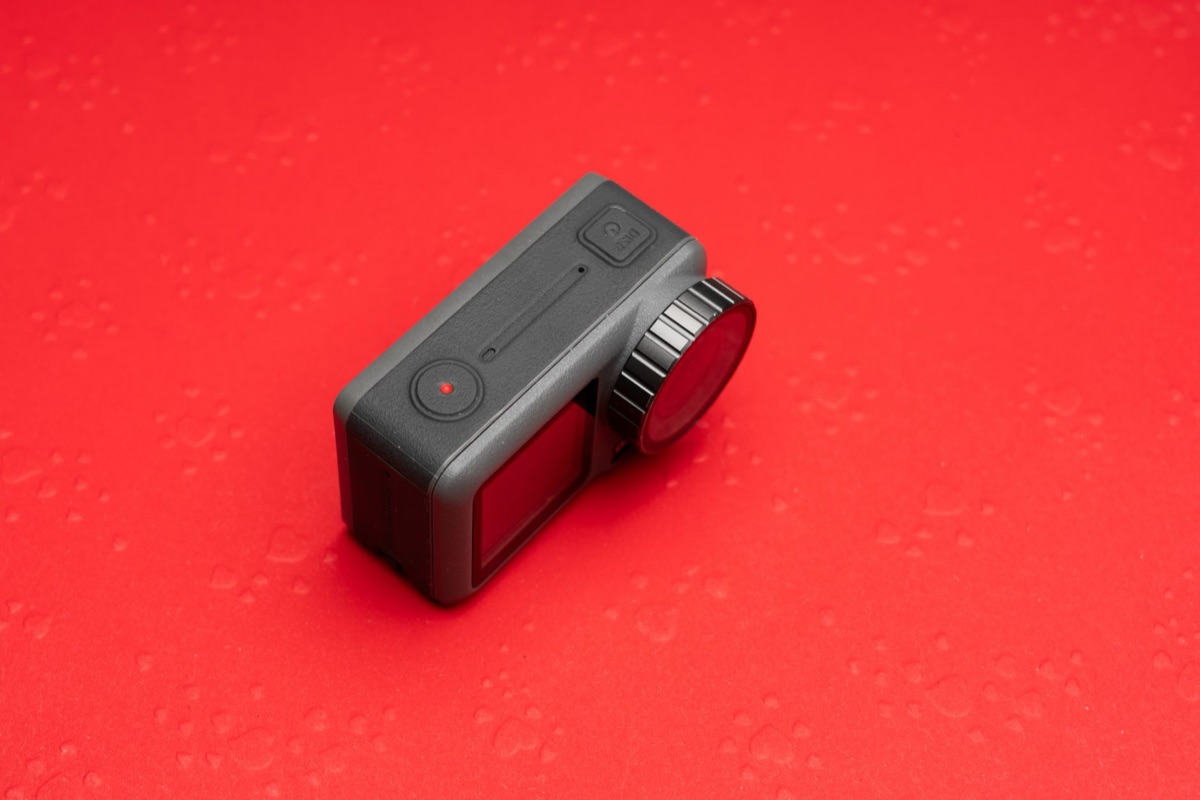
Which 2026 Action Cam is Best for You?
A traveler stands on a windy pier in San Francisco, squinting against the salt spray while tapping a small touchscreen at sunset.
A traveler stands on a windy pier in San Francisco, squinting against the salt spray while trying to navigate a small touchscreen to start a recording at 4:30 PM. For some, the camera is a tool for survival in the elements; for others, it is a seamless extension of their creative vision.
The following table summarizes the top performers for the current year based on our testing across various environments.
| Category | Best For | Key Strength | Primary Trade-off |
|---|---|---|---|
| Flagship Pro | Professional Creators | 1-inch Sensor / 8K Video | Heavier / Higher Price |
| Adventure King | Extreme Athletes | Rugged Body / Deep Waterproofing | Less focus on low-light |
| Vlogger Pro | Content Creators | Front Screen / Mic Quality | Less impact resistance |
| Budget Hero | Casual Users | Price-to-Performance | Limited 8K/Advanced Features |
Our evaluation criteria focused on four pillars: Image Quality (sensor size and dynamic range), Stabilization (the ability to smooth out erratic movement), Battery Life (runtime at high resolutions), and Waterproofing (depth ratings for diving or heavy rain).
Depending on whether you are an extreme athlete, a travel vlogger, or a budget-conscious enthusiast, your needs will shift from durability to ease of use. But picking the right category is only the beginning of the process.
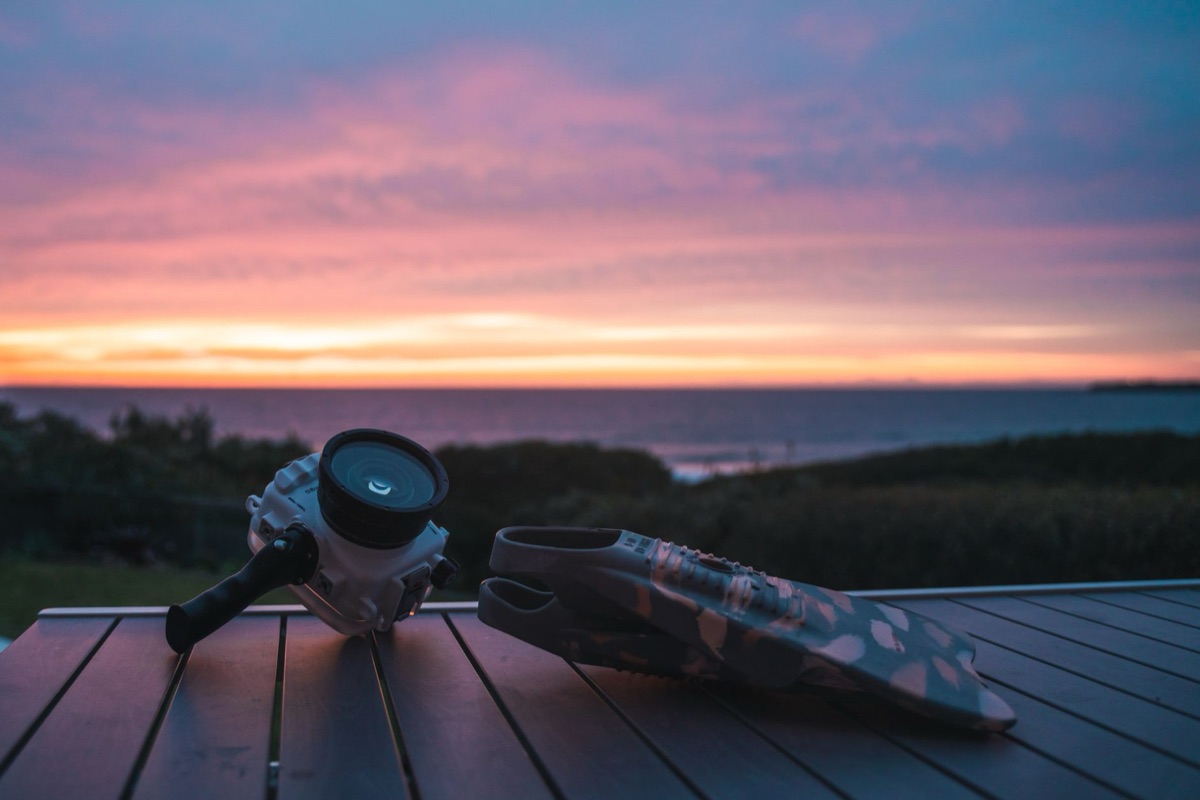
Why do some models overheat while others stay cool?
A skier wipes frost from their goggles in the morning while feeling the intense vibration of a heavy helmet mount.
A skier wipes frost from their goggles at 10:00 AM, looking down at a camera mounted to a helmet that feels as solid as a rock. The vibration from the downhill run is intense, testing the limits of the internal processors during a 20-minute descent.
When comparing the top-tier models, the most immediate difference is the sensor size. The shift toward 1-inch sensors in flagship models has revolutionized low-light videography, allowing for much cleaner footage when the sun goes down.
While smaller CMOS sensors are more compact, they struggle with the noise seen in shadow areas. For those shooting in dim environments, the larger sensor is non-negotiable.
Stabilization technology has also reached a tipping point. We compared "Horizon Lock" technology—which keeps the frame level even if the camera is flipped—against gimbal-like electronic stabilization.
For high-vibration activities like mountain biking (MTB) or skiing, the predictive motion tracking in 2026 models prevents the "jello effect" that used to plague digital stabilization.
However, the push for 8K resolution brings a massive challenge: thermal management. During our testing, we found that running 8K/30fps often leads to much shorter runtimes compared to 4K/60fps. Heat is the enemy of the processor; if the camera gets too hot, frame drops become inevitable.
Waterproofing ratings also vary wildly, with some rugged models reaching 20m depth without a housing, while more compact models are limited to 10m. But what happens when you switch from the mountain to the city?
The Vlogger vs. The Athlete: What is the real difference?
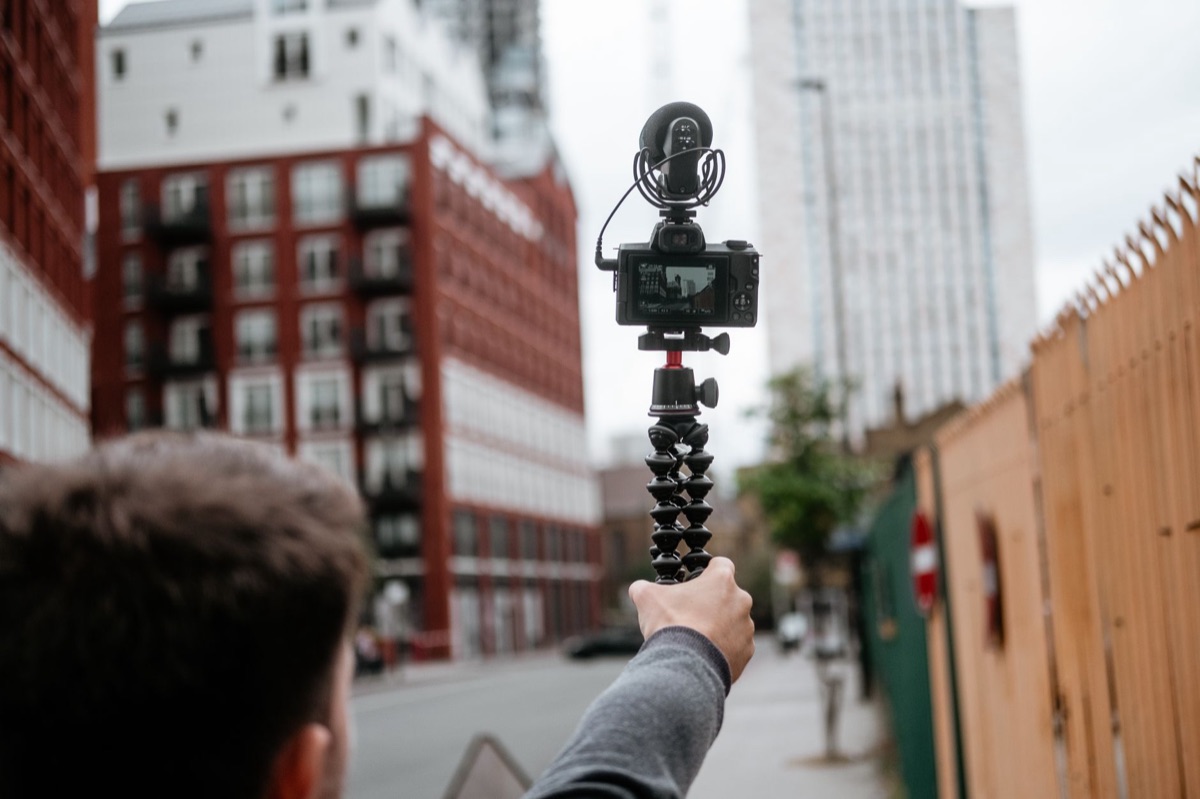
A creator sits in a crowded cafe at 2:00 PM, adjusting the tilt of a small camera mounted on a tripod to frame their face perfectly. The ambient noise of the espresso machine hums in the background, testing the built-in microphones.
The needs of a vlogger are fundamentally different from those of an athlete. For the vlogger, the front-facing touchscreen is the most vital feature, allowing for easy framing and focus.
Built-in microphone quality and wide-angle lens profiles—which prevent the "fisheye" look from being too distorted—are also prioritized.
In contrast, the athlete needs a ruggedized body with physical buttons that can be operated while wearing heavy gloves. Mounting versatility—the ability to clip thes camera to a chest harness or a helmet—is the priority here. For the hybrid user who does both, we suggest looking for modular models.
These allow you to swap lens covers or add protective housings depending on whether you are hitting a trail or walking through a city. However, even the best camera is useless without the right accessories to back it up.
How do you build an essential setup?
A photographer carefully threads a small, waterproof microphone into a specialized mount at 8:00 AM, ensuring the connection is airtight before heading toward the surf. The small click of the locking mechanism provides a sense of security.
A camera alone is rarely enough for professional-grade results. Audio is often the most overlooked aspect of action videography. For outdoor use, external mic adapters and wind-muffling "deadcat" accessories are essential to prevent the wind from drowning out voices.
The mounting ecosystem is equally important. Depending on your style, you might prefer magnetic mounts for quick swaps, chest harnesses for first-person perspectives, or tripod-compatible bodies for stationary shots. Finally, do not overlook storage and power.
To build a reliable kit, follow this checklist:
- Select the right SD Card: Use high-speed V30 or V60 cards to ensure 4K and 8K writing speeds do not fail mid-shot.
- Prioritize Audio: Carry a wind-muffling "deadcat" for outdoor shots to maintain vocal clarity.
- Manage Power: Keep a compatible high-capacity power bank in your bag for long-duration shoots.
- Test Mounts: Ensure your chosen mounting system (chest, helmet, or tripod) is compatible with your specific camera body.
When I tried this setup during a weekend trip to the coast, I realized that forgetting a single V60 card made the entire 8K workflow impossible. The decision of what to buy ultimately comes down to your specific itinerary.
Final Verdict: Which model should you buy?
A traveler looks at their gear spread out on a hotel bed at 9:00 PM, weighing the heavy professional lens against the slim, light compact camera. The decision rests on the itinerary for the next week.
Choosing the right model depends entirely on your primary use case.
- The Pro/YouTuber: If you want to produce cinematic content with the highest possible quality, go for the high-end models featuring 1-inch sensors and 8K capabilities. The extra cost is worth the professional look.
- The Casual Traveler/Vlogger: If you value portability and ease of use, choose the compact, lightweight models. Their excellent AI-stabilization will handle most walking shots perfectly.
- The Budget/Action Seeker: If you are focused on durability and value, look for the rugged, price-to-performance models. They offer the best protection for the lowest investment.
#


Comments 0