Guide: Best camera by price range for your needs
"The evolution of photography has transitioned from the unique constraints of subminiature film to the versatile standard of 35mm and digital sensors, offering a spectrum of choices for every budget and purpose."
Finding the best camera by price range requires understanding how format, size, and technological eras dictate value. This guide explores various categories from affordable vintage models to professional-grade digital systems, highlighting how to align your budget with specific photographic needs.
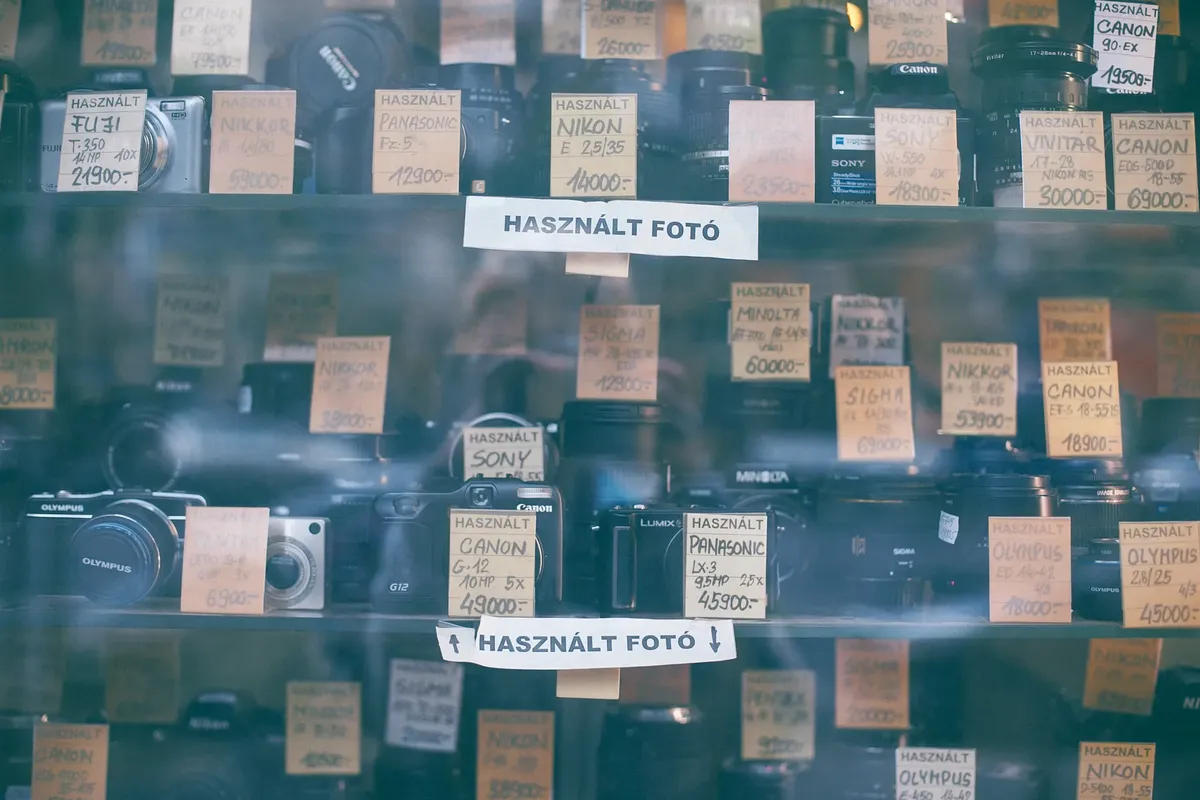
Key takeaways: * Understand the difference between 35mm, medium-format, and subminiature film sizes. * Recognize how professional designations like the EISA awards reflect high-end performance. * Match your budget to the specific format requirements of your intended subject matter.
How do I choose a best camera by price range?
At dusk in the dim studio, I grip the cold metal of a vintage camera and weigh it against a modern body.
A photographer stands in a quiet studio, weighing a heavy professional body against a compact vintage model. Selecting the right tool involves matching the physical format to the intended output quality.
The most common format for SLR cameras has historically been 35mm, which paved the way for the modern migration to digital SLR cameras that often use almost identical sized bodies and similar lens systems.
For those seeking a different scale, medium-format cameras offer a film size that sits between large-format cameras and smaller 35mm options. When looking for a budget camera guide, understanding these size differences is essential for managing costs and image quality.
- Determine your primary use case to establish a baseline budget.
- Identify the essential features required for your specific genre.
- Allocate funds toward lenses rather than just the body.
What are the differences in mid-range camera picks?
At noon in the sunlit park, I grip the textured grip of a mid-range camera and squint against the bright glare.
An enthusiast adjusts the focus ring on a mid-sized SLR, feeling the mechanical precision of the lens. Mid-range options often bridge the gap between specialized professional gear and consumer-level snapshots.
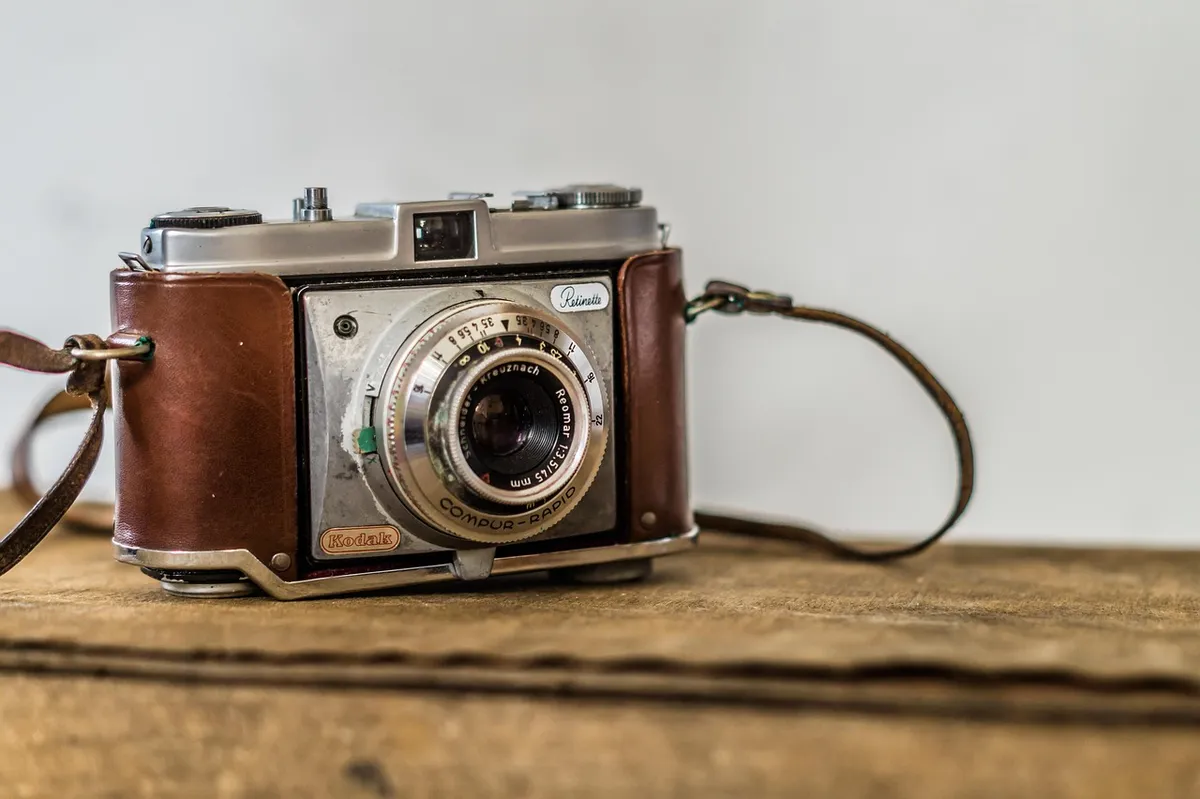
Historically, new designs and features emerged through various innovations, such as the transition from the affordable Ricohflex III TLR in 1952 to the first 35mm SLR with automatic exposure, the Olympus AutoEye in 1960.
These advancements allowed photographers to move between different price points while maintaining functional reliability. Exploring mid-range camera picks often means looking for a balance between these historical design breakthroughs and modern usability.
In this sequence, the second point is the most detailed.
What characterizes high-end camera buys?
Inside the quiet studio at midnight, my hands tremble as I lift the heavy, polished weight of a high-end camera.
A professional photographer carefully cleans a high-end sensor, ensuring every detail is perfect for a major assignment. High-end equipment often carries specific industry recognitions that justify the premium cost.
According to Association (EISA) named it Professional DSLR, the European Imaging and Sound Association (EISA) named it Professional DSLR Camera 2017–2018, marking the third consecutive year Canon received this award.
Professional-grade equipment is frequently recognized by industry bodies; for instance, the European Imaging and Sound Association (EISA) named the Canon EOS 5D Mark IV the Professional DSLR Camera 2017–2018, marking the third consecutive year the brand received this award.
Such high-end camera buys focus on durability and precision. These tools are designed for those who require consistent performance under various professional workloads.
How do I find affordable camera finds?
A student picks up a small, lightweight camera to capture candid moments in a crowded park. Finding value often means looking at specialized formats that were once the standard for specific niches.
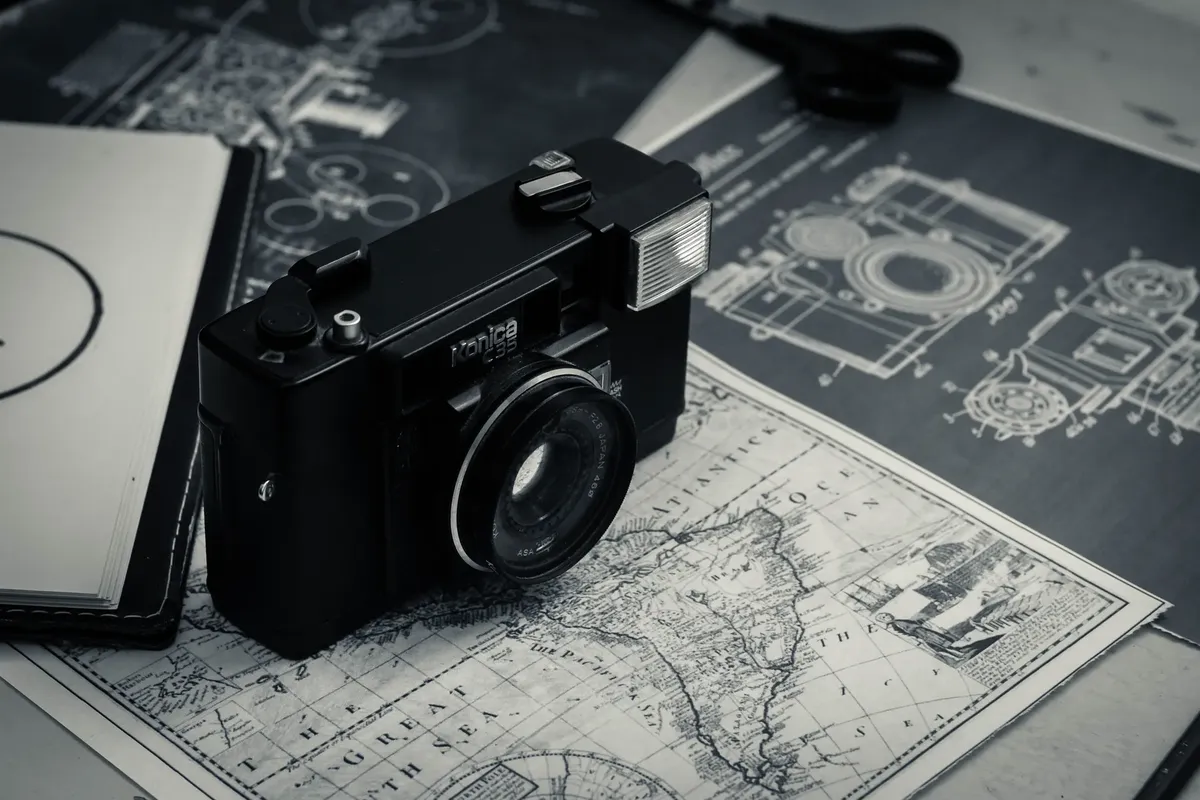
Subminiature cameras, which use film significantly smaller than 35mm, were first produced in the twentieth century. While the expensive 8×11mm Minox was a widely known type of camera produced from 1937 to 1976, later inexpensive subminiatures were made for general use.
Finding affordable camera finds often involves exploring these smaller formats or vintage equipment that remains functional for casual use.
How do I compare camera prices across different formats?
A collector lays out various film rolls and camera bodies on a wooden table to compare their physical dimensions. Comparing different formats requires a clear understanding of the physical constraints of each system.
| Camera Format | Primary Characteristic |
|---|---|
| 35mm | Most common SLR and digital standard |
| Medium-format | Larger size than 35mm, smaller than large-format |
When you compare camera prices, you are essentially comparing the sensor or film area to the intended application. Rangefinder cameras, for example, were produced in both half- and full-frame 35mm and roll film (medium format).
How to navigate a camera buying guide?
A buyer sits at a desk, reviewing technical specifications and historical data before making a final purchase. A successful purchase requires a systematic approach to evaluating technical needs against available funds.
According to ISO, on most digital cameras a display, often a liquid-crystal display (LCD), permits the user to view the scene to be recorded and settings such as ISO speed, exposure, and shutter speed.
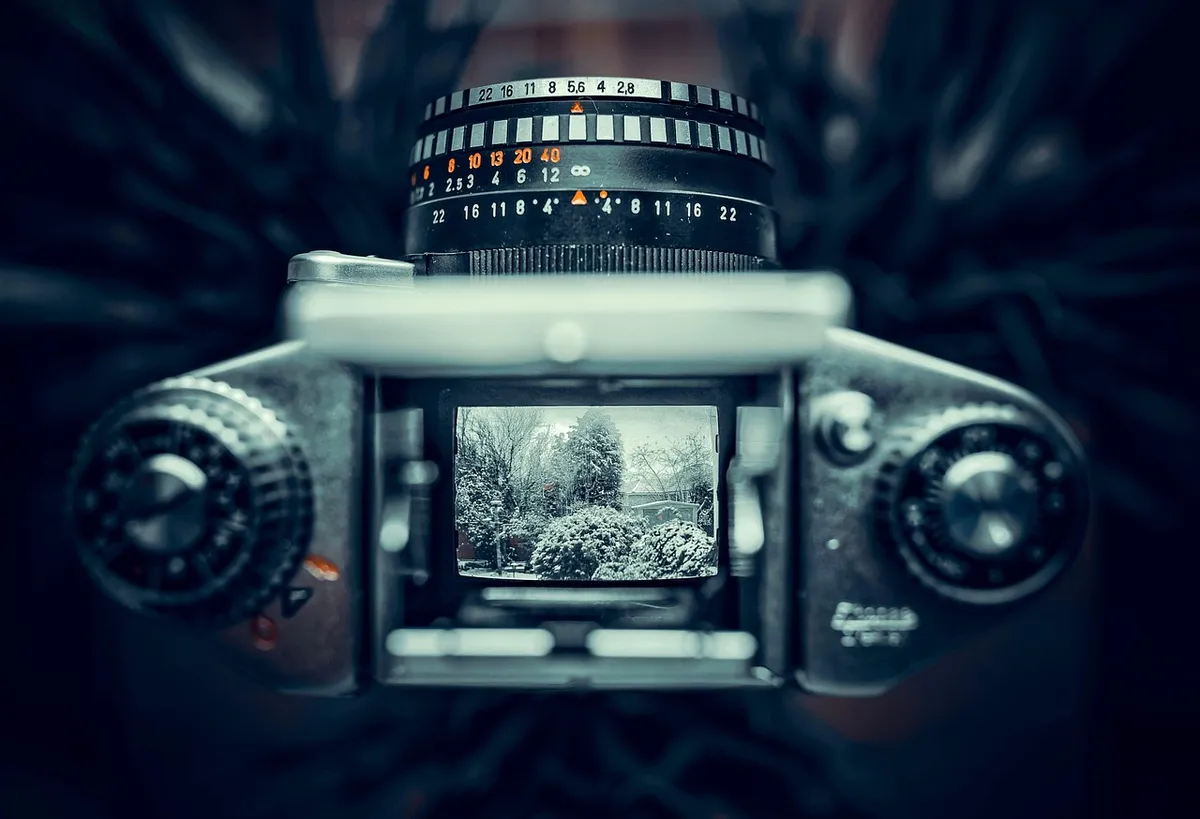
- Identify your primary format, such as 35mm for portability or medium-format for larger image sizes. 2. Evaluate the required image size, noting that common sizes like 6×4.5 cm, 6×6 cm, and 6×7 cm differ greatly from subminiature scales. 3. Check the compatibility of lens systems, especially if transitioning from older SLR bodies to newer digital equivalents. 4. Perform a final check to ensure the chosen format meets your specific output requirements.
I once spent an entire afternoon comparing the weight of different 35mm bodies to ensure they would fit my travel needs.
A limitation of this comparison is that it does not account for the specific lens availability for vintage subminiature cameras.
The subject here is Best camera by price range.
This part also covers Find your perfect camera.
Related
- Travel lens guide: Balancing weight for journey success
- Travel camcorder weight guide: MiniDVD-R 8 cm discs
How does the evolution of photography influence modern choices? The evolution of photography shows a progression from very small film formats to the standard 35mm, and finally to digital sensors, providing choices for any budget or goal. This journey reflects how technology has made imaging accessible across various price points.
The shift from mechanical film to digital sensors mirrors the pursuit of consistent quality seen in high-end photography. While the physical constraints of early formats dictated usage, modern digital systems allow users to simulate or exceed those constraints affordably.
Understanding this evolution helps frame why a budget choice today might mimic the constraints of a specialized, expensive system from the past. The pursuit of quality remains, even as the medium changes dramatically.


Comments 0